Get Full Government Meeting Transcripts, Videos, & Alerts Forever!
Get email alerts on the Neonicotinoids topic
No spam. Unsubscribe anytime.
Connecticut hearing spotlights harms from neonicotinoids; bill would restrict non‑agricultural uses
Summary
Lawmakers heard hours of testimony calling for limits on neonicotinoid insecticides (HB 6916). Supporters cited water and insect monitoring showing toxic levels and declines in aquatic insects and birds; opponents said seed‑treatment bans risk shifting to other pest controls and urged agency‑level regulation.
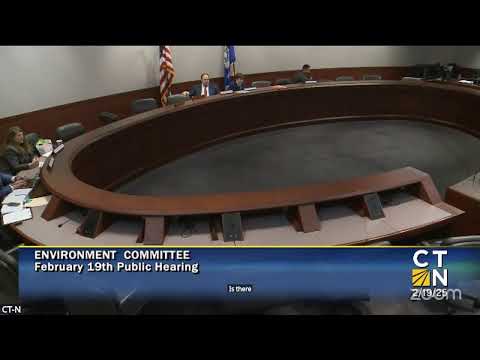
Lawmakers at a lengthy Environment Committee hearing heard competing evidence on HB 6916, a proposal to restrict non‑agricultural uses of neonicotinoid insecticides and to limit seed treatments for corn, soy and related crops.
Supporters said the chemicals are now routinely detected in Connecticut rivers and groundwater at levels that harm aquatic insects and pollinators, and that limiting routine applications — lawns, ornamentals and prophylactic seed coatings — would reduce ecological harm without depriving farmers of emergency tools.
The committee heard multiple technical reports and academic summaries described as showing chronic concentrations of neonicotinoids in waterways and sharp declines in aquatic invertebrates (mayflies, caddisflies) that form the base of freshwater food webs. Conservation groups, Audubon and fisheries advocates warned that fewer aquatic insects and pollinators undermines trout, shorebirds and other species that anglers and wildlife viewers depend on. Environmental groups and university researchers urged adopting the New York/Vermont approach: ban the highest‑harm, lowest‑benefit applications (turf, ornamentals, most treated seed) while retaining narrowly defined emergency waivers.
Opponents — including representatives of the Connecticut Farm Bureau and turf/golf course managers — said the bill risks harming farm productivity and removing a useful tool farmers and landscape professionals rely on. They urged keeping pesticide decisions in the regulatory domain (EPA and Connecticut DEEP), pointed to replacements such as diamide chemistries, and argued that sudden seed restrictions could disrupt seed supply chains and shift use to other, potentially more harmful, curative sprays.
Several professors who testified for proponents summarized a large body of field trials and monitoring data showing that treated seed often does not increase corn or soybean yields while increasing exposure risks to pollinators and aquatic insects. Witnesses for agricultural interests said seed‑coating decisions are driven by seed suppliers and that many growers do not have easy access to untreated seed varieties at planting time.
Where the bill stands: HB 6916 would target non‑agricultural uses and coated seeds, with implementation phasing to give industry time to adjust. Proponents urged passage to protect pollinators and aquatic life; opponents asked for more reliance on agency review and for measures to avoid supply disruptions. The committee did not take a final vote during the hearing.
Ending: The committee’s next steps will determine whether Connecticut follows neighboring states in codifying limits on routine neonic uses, or instead relies on agency rulemaking and market shifts. Either route will require addressing seed availability, farmer transition assistance and the monitoring that supporters say already shows ecological impacts.