Get Full Government Meeting Transcripts, Videos, & Alerts Forever!
Get email alerts on the Police Oversight Use Of Force topic
No spam. Unsubscribe anytime.
Ombuds office reports surge in contacts, several officer-involved shootings and review-board changes
Summary
The Office of Police Ombudsman reported an unusually high workload in January–February: 228 contacts, 24 OPO interviews, about 70 P.O.-generated complaints in one month, eight cases certified and multiple officer-involved shootings. Commissioners discussed investigative timelines and recent Spokane Police Department chain-of-command changes.
The Spokane Office of Police Ombudsman reported Feb. 18 that its office handled an unusually high volume of work over the last month, including multiple officer-involved shootings and a larger-than-normal number of complaints and interviews.
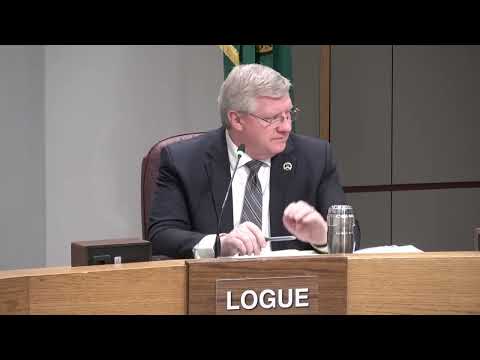
Ombudsman Bart Logue told commissioners the office received about 228 contacts and conducted 24 OPO interviews during the period, roughly double their typical monthly interview load. He said the office recorded about 70 P.O.-generated complaints in the month compared with 44 total for the prior year, certified eight cases for investigation, and conducted numerous internal affairs interviews and special-case reviews.
Logue said one certified case involved a high-profile pursuit that ended in a crash involving an armored vehicle (a Bearcat) that injured Spokane Police Department officers; the office spent substantial time reviewing that matter. He also reported three officer-involved shootings since December, including incidents on Jan. 24 on East Sanson Avenue and on Feb. 9 near East 11th Avenue; both incidents involved officers discharging firearms and people struck by officer gunfire, according to Logue’s report to the commission.
Logue described recent changes at SPD’s leadership level: Assistant Chief McNabb retired, the chief reorganized the command structure into three assistant chiefs (naming Assistant Chief Coles to chief of staff and Assistant Chief Steve Woll over patrol), and Major Singly was promoted to assistant chief over investigations and administration. He said longtime Internal Affairs Lieutenant Wheeler moved to training and Lieutenant Mike Snyder is the new Internal Affairs lieutenant.
Logue briefed commissioners on adjustments to the department’s use-of-force review board. He said the review board is limiting the number of cases per meeting (to about 10) to allow more in-depth discussion and is focusing reviews on administrative standards—asking whether force was necessary and what alternatives could have been used—rather than strictly on the narrower legal standard. "There is a difference between the legal standard and then the administrative review standard," Logue said, adding that he found the review-board changes hopeful.
Commissioners asked about the investigative timeline for officer-involved shootings. Logue explained that external agencies (the Washington State Patrol or the Spokane County Sheriff’s Office or another outside investigator) typically take over criminal investigations in officer-involved shootings and then forward cases to the prosecutor; he said those criminal-review timetables historically have ranged from about nine months to 18 months or longer. "Once they take over that investigation, they have as long as they need to close it," he said, and the prosecutor then decides whether to file charges. Logue said the current process limits what the involved agency and the public can learn in the short term and makes it difficult to provide timely feedback to officers.
The ombuds reported the office also attended 17 community meetings, two training events and about 75 meetings with SPD staff last month, and that the office’s higher-than-average intake produced both more referrals and more certified investigations. Logue said these demands required significant staff time and that the commission’s oversight work has been heavily focused on use-of-force review systems.
No formal actions were taken on the monthly report; commissioners requested continued updates and suggested the commission consider outreach and training to better understand internal affairs and review-board processes.
Ending: Commissioners said they want continued, detailed briefings on use-of-force reviews and investigative timelines and asked staff to keep the commission apprised as certified cases progress through outside investigations and prosecutorial review.