Get Full Government Meeting Transcripts, Videos, & Alerts Forever!
Get email alerts on the School Police Sro topic
No spam. Unsubscribe anytime.
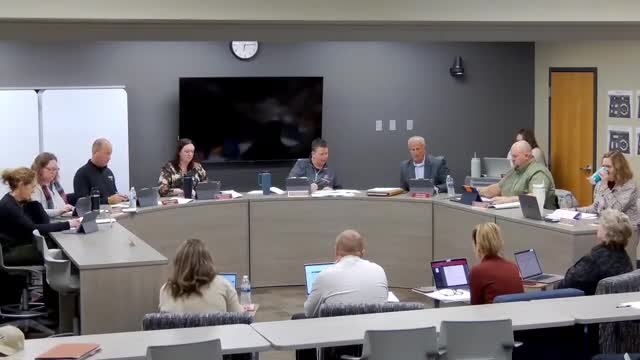
Pulaski board hears SRO report, members press for consistent time‑tracking and schedules
Summary
School resource officers reported on classroom lessons, student contacts and coding of activities; board members pressed for consistent reporting and scheduling after data showed wide variation in how officers logged "student relations."
The Pulaski Community School District board on an unspecified date received a semiannual report from the district's school resource officers (SROs) and discussed differences in how officers record time spent on student outreach, safety duties and classroom presentations.
The SRO presentation covered activity logs for three officers and summarized work across buildings, including classroom lessons for K–5 and targeted lessons at middle and high school levels. Board members and administrators pressed officers to standardize how they code "student relations," a category that the board said currently produces inconsistent counts across schools.
Why it matters: board members said consistent, comparable SRO data is needed to evaluate officer deployment, school presence and whether classroom lessons are being delivered as intended.
During the update staff described how each SRO codes activity logs differently: some log discrete 10– or 15‑minute contacts individually while others log broader morning or lunchtime blocks. District staff said those differences can make a single building appear to have far more daily interactions than another even if total officer time on campus is similar. Board members asked the SRO team to agree on a shared coding convention or subcategories so reports can be compared across schools.
Administrators and SROs said lessons and presentations are now delivered on a K–12 pacing guide the district posted publicly. Elementary lessons are scheduled twice per year by grade; middle‑ and high‑school lessons are delivered by topic and sometimes team‑taught with counselors. Staff said larger multi‑class presentations are sometimes used to preserve instructional time and to reduce scheduling conflicts when officers are called away for emergent matters.
The board pressed for clarity about the balance between large group lessons and smaller classroom follow‑ups. Administrators said they will work with building principals and the SROs to coordinate scheduling so officers can both deliver universal presentations and make classroom follow‑ups or informal visits that build relationships without weakening response coverage at other sites.
Board members also raised reporting categories such as "safety," "trainings," "education/presentations," and "administrative time," and asked the SROs to refine definitions so the district's semiannual report will show comparable figures next quarter.
In public comment following the SRO update, resident Amy Shores urged the board to ensure equitable officer time at all elementary buildings and asked for a clear schedule so parents and staff can track officer presence. Shores cited the report's numbers and said some small schools appear to receive disproportionately more SRO hours than larger schools.
The board did not take any formal action on SRO deployment during the meeting; administrators said they will return with recommended reporting rules and a proposed schedule for building coverage.
Ending: District staff said adjustments to coding and scheduling will be developed collaboratively with principals and SROs and reported back to the board as part of the next semiannual update.