Get Full Government Meeting Transcripts, Videos, & Alerts Forever!
Get email alerts on the Capital Program topic
No spam. Unsubscribe anytime.
CT DOT outlines $16.27 billion, five‑year capital program and lists megaproject priorities
Summary
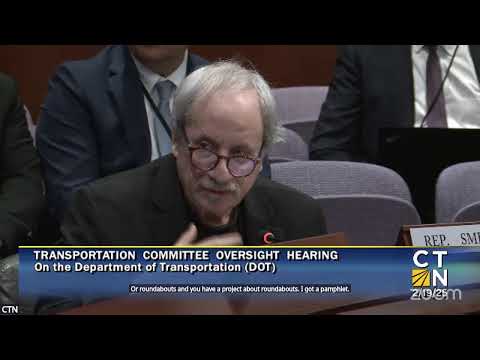
In a Feb. 3 oversight hearing, Commissioner Ukalito presented the DOT’s five‑year capital plan (about $16.27 billion), described staffing and permitting constraints, and reviewed major megaprojects including the Walk Bridge program, Gold Star Memorial Bridge work, the I‑84 Hartford corridor proposals and the Mixmaster in Waterbury.
Commissioner Ukalito told the Transportation Committee that Connecticut’s five‑year capital program, released in January, totals roughly $16.27 billion and reflects heightened federal and state funding and an active construction pipeline.
“Our capital program that we just released last month is valued at $16,270,000,000 for the next 5 years,” Commissioner Ukalito said, noting the agency is spending at its highest level in state history.
DOT described its near‑term priorities as safety, state of good repair (aging bridges and roadways), congestion mitigation, multimodal travel improvements and a set of multidecade “megaprojects.” Examples cited:
- Walk Bridge program (New Haven): described as the state’s largest rail capital program — “well over a billion dollars” — replacing a movable bridge dating from the 1800s and addressing Northeast Corridor vulnerability.
- Gold Star Memorial Bridge (Southeast Connecticut): planning work to strengthen and replace decks and steel to enable heavier permitted loads and extend service life; the commissioner said the effort is nearly a billion‑dollar project.
- I‑84 Hartford corridor: DOT is proposing lowering I‑84 through Hartford, capping portions of the roadway and better aligning the highway with the rail corridor to create development opportunities and local connections; environmental and design work is in early stages.
- Mixmaster (Waterbury): DOT completed a temporary 20‑year fix and plans to propose permanent redesign options later in 2025 with targeted outreach to local officials.
Ukalito described a lengthy federal permitting and design path for major projects and urged patience: “It is a very long process. The federal government has a very detailed and delineated, lengthy process to how to get a project from conception to reality.”
Staffing and delivery: DOT said it is approaching historic staffing levels after a recent hiring push; the commissioner said the agency currently has about 3,300 employees against an authorized headcount around 3,567, with roughly 230 vacancies remaining after hiring more than 1,032 staff since mid‑2022. He told lawmakers that a one‑third turnover of DOT employees has required onboarding while maintaining workload.
Funding breakdown: DOT presented funding sources including formula federal funds, state bond authorizations, and discretionary federal grants. Ukalito highlighted a prior state law (Public Act 15‑1) that increased design funding and said the legislature and governor provided matching funds that allowed the state to secure more than $1 billion in federal rail grants.
Permitting and federal processing delays: Both the commissioner and committee members discussed federal administrative slowdowns tied to a change in federal leadership; DOT said some discretionary grant contract signings and approvals were delayed while federal staff and political appointees were being installed, and warned that short timing windows in northern construction seasons can be affected by a weeks‑long federal processing pause.
Why it matters: Connecticut’s built environment is largely “brownfield” infrastructure that needs repair rather than greenfield construction. The capital program and the megaproject pipeline will shape transportation, land use, and economic opportunities across the state for decades.
Outlook: DOT said it will continue to program projects, pursue federal discretionary grants (with state match), and advance megaprojects through planning and environmental review; committee members pressed DOT for updates on schedules and staffing needs to sustain delivery.