Get Full Government Meeting Transcripts, Videos, & Alerts Forever!
Get email alerts on the Smart Devices topic
No spam. Unsubscribe anytime.
Education Department backs bill requiring districts to adopt smart‑device rules for schools
Summary
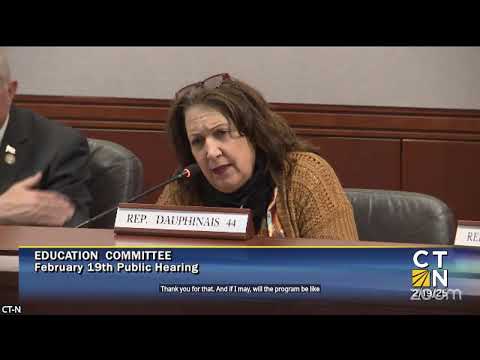
The State Department of Education told the legislature it supports House Bill 6923, which would require local districts to adopt policies restricting student use of smart devices during instructional time while leaving details to districts.
The State Department of Education told the legislature on the record that it supports House Bill 6923, which would require local and regional boards of education to adopt policies limiting students’ in‑class use of smart devices.
The department’s written testimony and officials at the public hearing said the bill intends to make local adoption of tech‑use policies universal but preserve local control over the details. “The department is supportive as House Bill 6923, an act concerning the use of smart devices in schools,” Commissioner Charlene Russell‑Tucker told members of the Education Committee.
Why it matters: Legislators and educators said they want a consistent approach across districts to reduce classroom distractions and address student mental‑health concerns tied to social media, while still preserving students’ ability to access phones for safety and family communication outside instructional time.
At the hearing, the State Department of Education presented survey data suggesting most districts already have policies in place. John Frasinelli, Division Director at CSDE, told the committee his office had responses from nearly half of the state’s districts and said, “Over 90% of those respondents already have a policy in place regarding cell phones.” He also said many districts reported improvements in engagement and decreases in classroom disruptions after adopting policies.
Several legislators urged a measured approach that avoids an unfunded local mandate. Representative Kennedy asked whether the bill would become an unfunded mandate for municipalities; Commissioner Russell‑Tucker pointed to proposed budget support in the governor’s plan but said districts had adopted policies before state guidance in many cases.
Public comment included superintendents and teachers who said restrictive, clearly enforced policies reduced behavioral incidents and improved instruction; some emphasized the need for a local implementation window and student voice in policy development.
Where it goes from here: The committee discussed clarifying language to ensure districts keep local authority to design rules by grade band (elementary, middle, high school), and to avoid blanket prohibitions that could prevent students with legitimate needs from accessing devices when required. The bill does not contain final statewide enforcement language; committee staff indicated follow‑up drafting and fiscal review would be needed before any vote.
Ending: Lawmakers said they will weigh the policy’s classroom benefits against local fiscal and operational concerns in coming weeks as they consider whether to advance HB 6923 to a committee vote.