Get Full Government Meeting Transcripts, Videos, & Alerts Forever!
Get email alerts on the Rental Application Fees topic
No spam. Unsubscribe anytime.
Senate approves limits on rental application fees after floor debate; bill capped and includes waiting-list exception
Summary
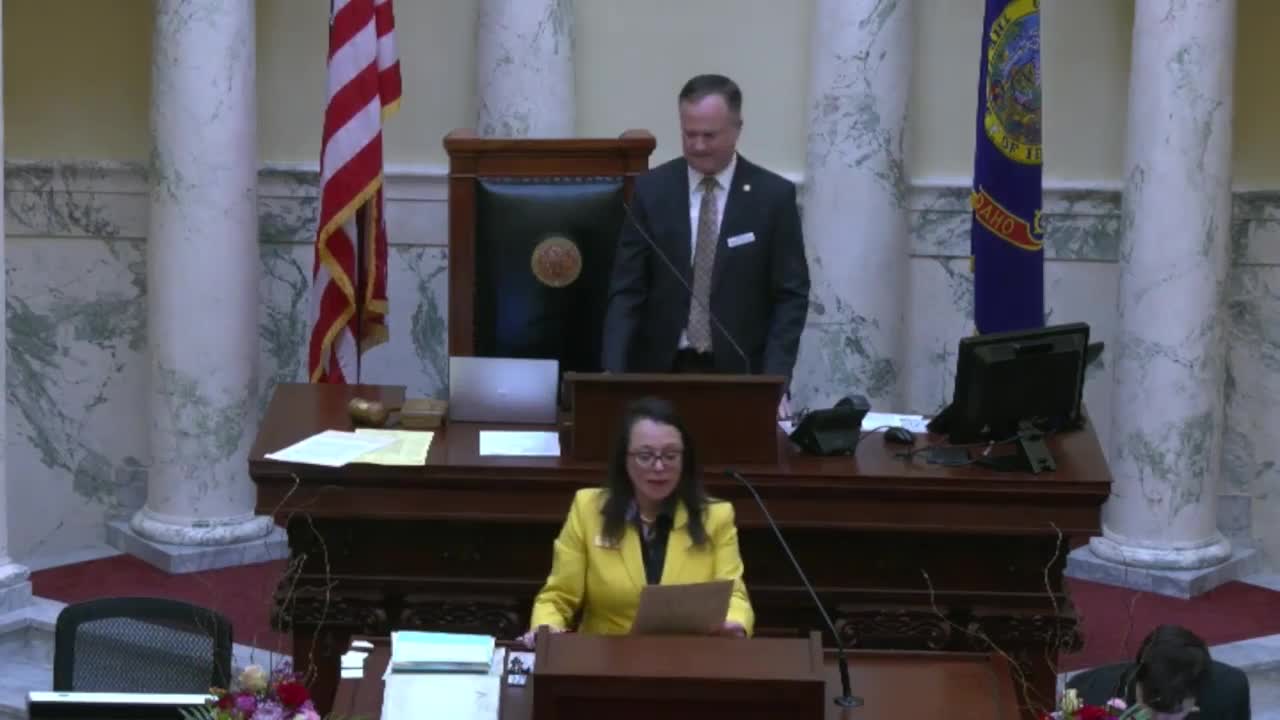
Senate Bill 10-42, limiting when landlords may charge rental application fees and requiring transparency about unit availability and screening criteria, passed the Senate as amended 23-12 and now goes to the House.
BOISE, Feb. 19, 2025 — The Idaho Senate on Wednesday passed Senate Bill 10-42 (as amended), a measure to limit how and when landlords may charge rental application fees and to require greater transparency about screening and unit availability.
Senator Rabe, the bill sponsor, said the bill restricts landlords to charging application fees for no more than two applicants for the same unit at a time (with limited exceptions), requires that units be available or reasonably expected to be available (generally within 60 days) for a fee to be charged, mandates disclosure of tenant-screening criteria and requires landlords to run the background or screening check to justify the fee. The bill also allows the collection of actual costs only and provides an exception for waiting lists used by some affordable and senior properties.
Rabe told the Senate the measure was drafted with input from landlord associations including the Idaho Apartment Association and the National Association of Residential Property Managers and that the intent was to codify best practices while giving renters a remedy against abusive actors. She cited examples offered to the Senate of application fees as high as $427 and said the average fee was about $100.
Opponents on the floor argued the bill represents government overreach into private contracts. Senator Foreman said contract law and courts already address disputes and described the measure as an intrusion on private business. Senator Lakey and other members raised industry concerns about the 60-day availability rule, citing college-town leasing practices and long lead times.
Backers responded that renters, including veterans, seniors and families, face burdens from repeated application fees when housing markets are tight. Senators Lenny and Ricks said the bill protects consumers without unduly restricting responsible landlords; Ricks noted third-party screening services (such as Zillow) provide exemptions that allow a single application to be used across multiple properties.
After floor debate and recorded disclosures by some members under rule 39(h) that they own rental properties, the secretary called the roll. The final vote on SB 10-42 as amended was 23 ayes, 12 nays; the majority vote carried the bill. The Senate approved the title and will transmit the bill to the House.
Key provisions and clarifications: units must be available or reasonably expected to be available (default 60-day guideline), landlords must disclose screening criteria, they may charge only actual costs, and waiting-list models used by qualifying affordable or senior housing are exempt.
Why it matters: Sponsors framed the bill as consumer protection targeted at abusive application-fee practices that can consume household savings; opponents warned of regulatory overreach and adverse effects in markets with long leasing lead times.
The Senate recorded several members’ 39(h) disclosures noting rental interests; senators on both sides said they had discussed the bill with landlords and housing providers across the state.