Get Full Government Meeting Transcripts, Videos, & Alerts Forever!
Get email alerts on the Health Medicaid topic
No spam. Unsubscribe anytime.
Idaho House approves bill to seek Medicaid waivers, add work checks and cap expansion population
Summary
The Idaho House passed House Bill 138 on Feb. 19, 2025, approving a package of reforms that would seek federal waivers, add verification steps and work/volunteer requirements for some Medicaid expansion enrollees and place a cap on the expansion population; the measure passed the House 38–32 and moves to the Senate.
BOISE, Idaho — The Idaho House of Representatives voted on Feb. 19 to approve House Bill 138, a measure that would require the state to pursue a set of federal waivers intended to change how Medicaid expansion operates, add periodic eligibility checks, institute work/volunteer/training requirements for many adults in the expansion population and cap the number of people the state will cover under expansion if all requested waivers are approved.
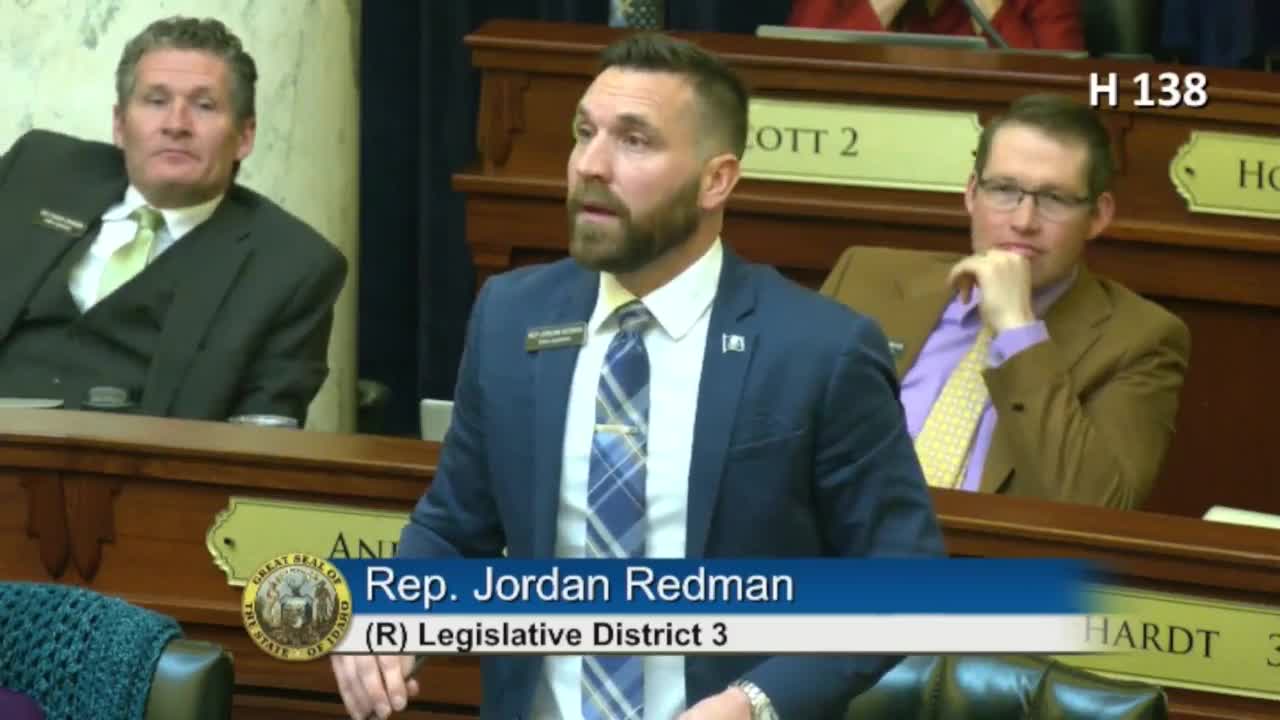
Supporters said the bill is intended to rein in program costs and preserve Medicaid expansion by reshaping who is eligible and how eligibility is verified. Representative (District 3), the bill’s sponsor, told the House that projected costs have far exceeded original estimates — citing a Milliman projection of about $510 million versus the governor’s current budget estimate of $1.36 billion — and said HB 138 “restores integrity, financial responsibility, and self sufficiency back into our Medicaid expansion program.”
House Republicans who backed the bill pointed to an alleged 18.5% improper-payment rate in the expansion population and said the measure would require the Department of Health and Welfare to reduce improper payments and to re‑verify eligibility twice a year. The bill would bar hospitals from presumptively enrolling adults in the expansion population (while preserving presumptive eligibility for pregnant women and children), add a work/engagement requirement that can be met by paid employment, volunteering or schooling, and create a contingency cap (50,000) on the expansion population tied to waivers sought from the federal government.
Opponents including several rural‑area representatives and health providers argued HB 138 risks dismantling coverage and would force rapid disenrollments if the waivers are not approved. Representative (District 23), an insurance industry representative who spoke on the floor, said the bill as drafted “is designed to repeal Medicaid expansion, no matter the intentions,” and warned the timeline and administrative demands — preparing waiver applications and updating systems — are unrealistic. Other opponents said the bill could jeopardize an existing waiver (referred to in debate as the state’s 1332-style waiver) that currently helps lower premiums for people on the individual market and warned that losing that waiver could raise exchange premiums substantially.
Lawmakers on both sides raised implementation concerns: HB 138 delays its substantive effect until July 1 of the next fiscal year but requires the state to have waiver applications submitted and federal approvals in place on an accelerated timeline. Opponents highlighted statements from exchange and department officials during debate that moving tens of thousands of people between systems and adjusting rates would require system updates and additional staff; one legislator said the exchange expected six months or longer to build the capacity the bill’s timeline assumes. Several speakers also flagged local impacts: rural hospitals and clinics described high shares of Medicaid patients in their facilities and said sharp changes could threaten operations.
After more than two hours of floor debate and multiple speakers on both sides, the House approved HB 138. The clerk recorded 38 ayes and 32 nays; the bill was reported passed and will be transmitted to the Senate for consideration.
The bill text and floor handouts referenced multiple federal waiver categories and program details, and the House debate repeatedly returned to whether the federal government or federal courts would approve some of the requested changes. The Department of Health and Welfare and Your Health Idaho (the state exchange) were named repeatedly as the agencies that would implement waivers and systems changes if the measure becomes law.
If the Senate takes up HB 138, lawmakers there will face the implementation concerns raised on the House floor: the timeline for waiver submission and approval, the operational costs of system and staffing changes, and the local impact on hospitals and clinics that serve a high share of Medicaid patients. HB 138 passed the House and will advance to the Senate.