Get Full Government Meeting Transcripts, Videos, & Alerts Forever!
Get email alerts on the Pensions topic
No spam. Unsubscribe anytime.
Oregon PERS seeks $60.8 million and 60 FTEs for implementation and system modernization, agency tells subcommittee
Summary
At a Feb. 19 informational hearing, Oregon PERS outlined requests in the governor's budget that would fund implementation of recent legislation (including HB 4045 and SB 1049), expand staffing across operations and IT, and start a multi-year modernization program intended to reduce backlogs and improve member service.
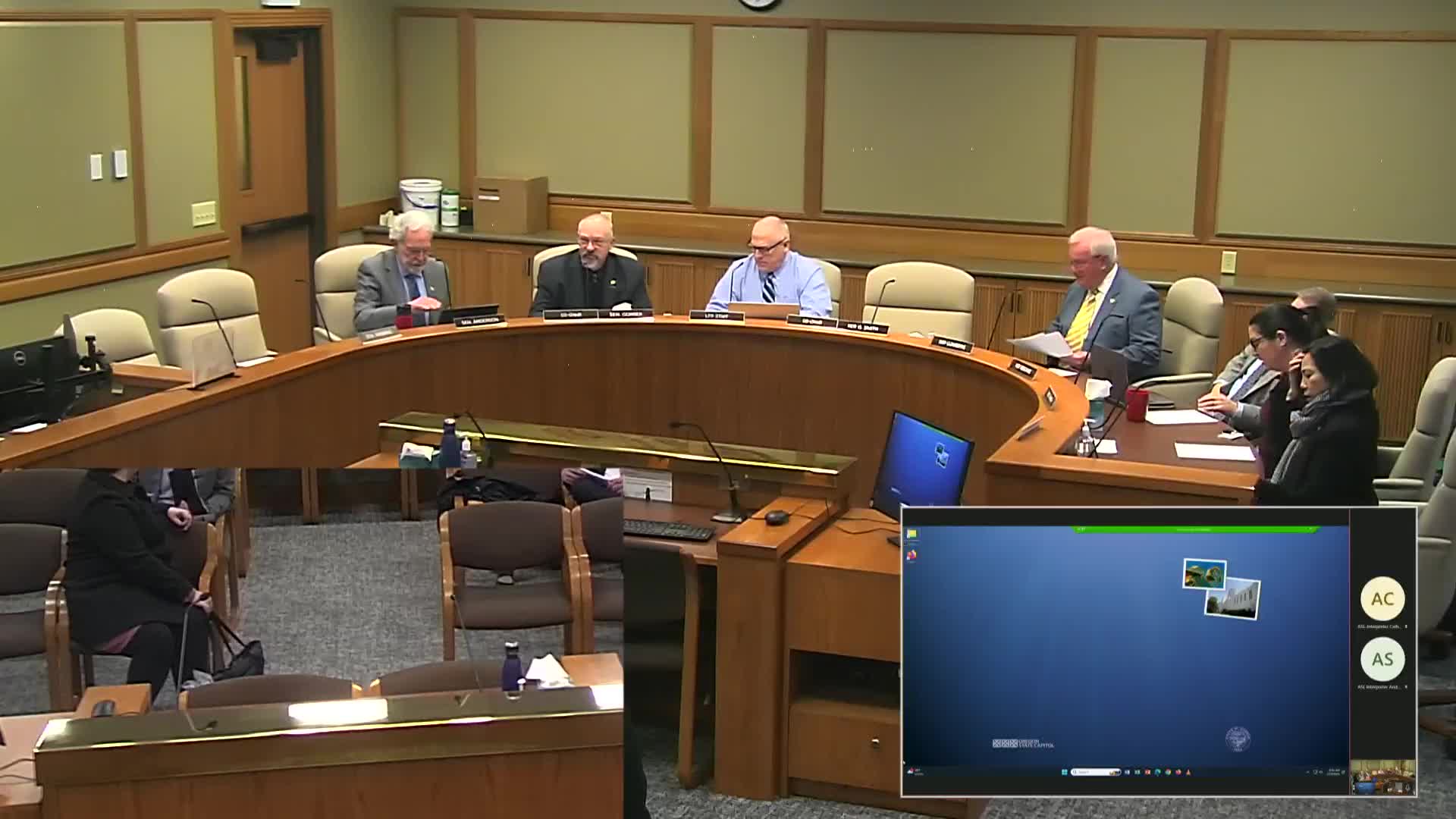
Oregon Public Employees Retirement System officials told the General Government Subcommittee on Wednesday, Feb. 19, that the governor's budget includes requests totaling $60,800,000 and 60 positions to implement recent legislative changes and begin a multi-year modernization of PERS systems.
The funding request covers a series of policy option packages (POPs) the agency said are needed to automate recent statutory changes, hire staff to clear backlogs and manage new technical operations, and begin replacing or modernizing PERS' aging IT infrastructure. Agency leaders summarized the packages and answered questions from committee members during the informational hearing.
Why it matters: PERS officials said recent laws and administrative changes have added complexity and manual work across the pension system. Agency witnesses told lawmakers that without additional staff and technical projects, current backlogs for retiree payments and appeals are likely to persist, and the agency will struggle to implement future statutory deadlines without additional resources.
What the agency requested and why
- HB 4045 implementation and automation: PERS described a one-time implementation step taken after passage of House Bill 4045 (2024) that required an immediate manual process to implement a change to police-and-fire retirement age (effective Jan. 1, 2025). The agency asked for a POP to automate that process and fund two Office Specialist 2 positions and a retirement counselor; the package includes a roughly $2.2 million service-and-supplies line to pay consultants and integration work. Agency staff said the counselor would "work with members who are eligible for the benefit" and the office specialists would manage internal processes and controls.
- Managed services / data center move: PERS proposed a staff position to manage day-to-day coordination with the state data center as PERS moves portions of its infrastructure to the state-managed resiliency site. Agency witnesses said the role is expected to be ongoing because coordination with Department of Administrative Services (DAS) data center staff increases workload even after the transfer.
- SB 1049 implementation and cleanup: PERS said Senate Bill 1049 (passed in earlier years) generated substantial one-time implementation costs and ongoing complexity. The agency reported it will have expended about $69 million plus roughly $6 million in internal costs (about $75 million total) implementing SB 1049 by this summer, and requested six limited-duration positions to clean up the employee pension stability account backlog plus three ongoing information-systems positions to support long-term maintenance.
- Modernization program: PERS outlined a larger, multi-year request for what it called modernization of its pension administration system. The agency said prior biennia provided roughly $14 million for initial planning and early infrastructure work. The current POP proposes roughly $34 million (about $7.7 million in personnel for ~30 positions, 16 of which the agency says were already included in prior funding; roughly $26.3 million requested for contracts/consultants and technical work). Agency staff said the work could follow one of two paths after a solutions analysis: continue modernizing the agency's current JClarity-based system or run an RFP to select a new vendor solution.
Other staffing and operational asks
PERS presented several smaller POPs that would add permanent staff in areas the agency said are under strain: information services dues/subscriptions, operations support (office specialists and a business operations manager), human resources, enterprise risk management and security, content-management supervision, policy and compliance staff to address appeal backlogs, communications publishing/design positions, some reclassifications, and an additional actuarial analyst to build internal capacity. Combined totals for the Governor's POPs were disclosed to the committee as $60.8 million and 60 positions.
Performance measures, backlogs and member impact
PERS staff reviewed key performance measures (KPMs) and said one high-profile metric ' retiree payments issued within 45 days of retirement ' sits at about 60% overall. Agency witnesses told the committee they issue interim payments after 90 days and that quarterly and seasonal spikes (for example, large numbers of retirements in June and December) affect the annual average. Committee members asked for a break-down of how many members are waiting 45, 90, and 120 days; the agency agreed to provide that information.
Agency witnesses also described a growing appeals and disability workload. One agency staff member said, "In the last 4 years, we've had about 120 disability cases, of which 43 were able to work with the member to get them on disability," a process the agency said requires staff time for outreach and medical verification rather than being a simple paperwork transfer.
Controls, risk and oversight
PERS officials described multiple layers of financial controls. "Within PERS, we have an internal audit group ... They typically do about 7 to 8 audits a year," Director Kevin Olinic said, and the agency noted additional external audits and Treasury controls around transfers.
Agency witnesses also requested funding for an enterprise risk management program and an additional information-security specialist, saying a documented risk-based program would help prioritize scarce resources and better align budgeting decisions to the system's highest risks.
Questions from lawmakers and next steps
Lawmakers pressed agency staff on whether requested staff are one-time or ongoing, the expected timing for automation projects, how the state data center move will affect operating costs, and whether modernization will eventually reduce operating expense per member. The agency said most of the requested staffing is permanent for current service levels, while many service-and-supply items for implementation will be one-time.
Co-chair and committee members were also shown the agency's remote-work metrics and internal engagement results (PERS said roughly 80% of staff are fully remote, and that Gallup engagement scores placed the agency in the top 10% of state agencies in recent surveys).
The agency closed by noting the committee would receive additional materials online (OLIS) and that staff will return for two work sessions and a wrap-up expected the next day. No formal committee actions or votes were taken at the informational hearing.