Get Full Government Meeting Transcripts, Videos, & Alerts Forever!
Get email alerts on the Honors Oregon Historic Figures topic
No spam. Unsubscribe anytime.
Committee hears resolutions honoring Lewis Southworth and Reuben Shipley
Summary
The House Committee on Rules heard public testimony on two House resolutions recognizing Lewis Southworth and Reuben Shipley for their historical contributions to Oregon; sponsors asked the committee to move the measures to the floor during Black History Month.
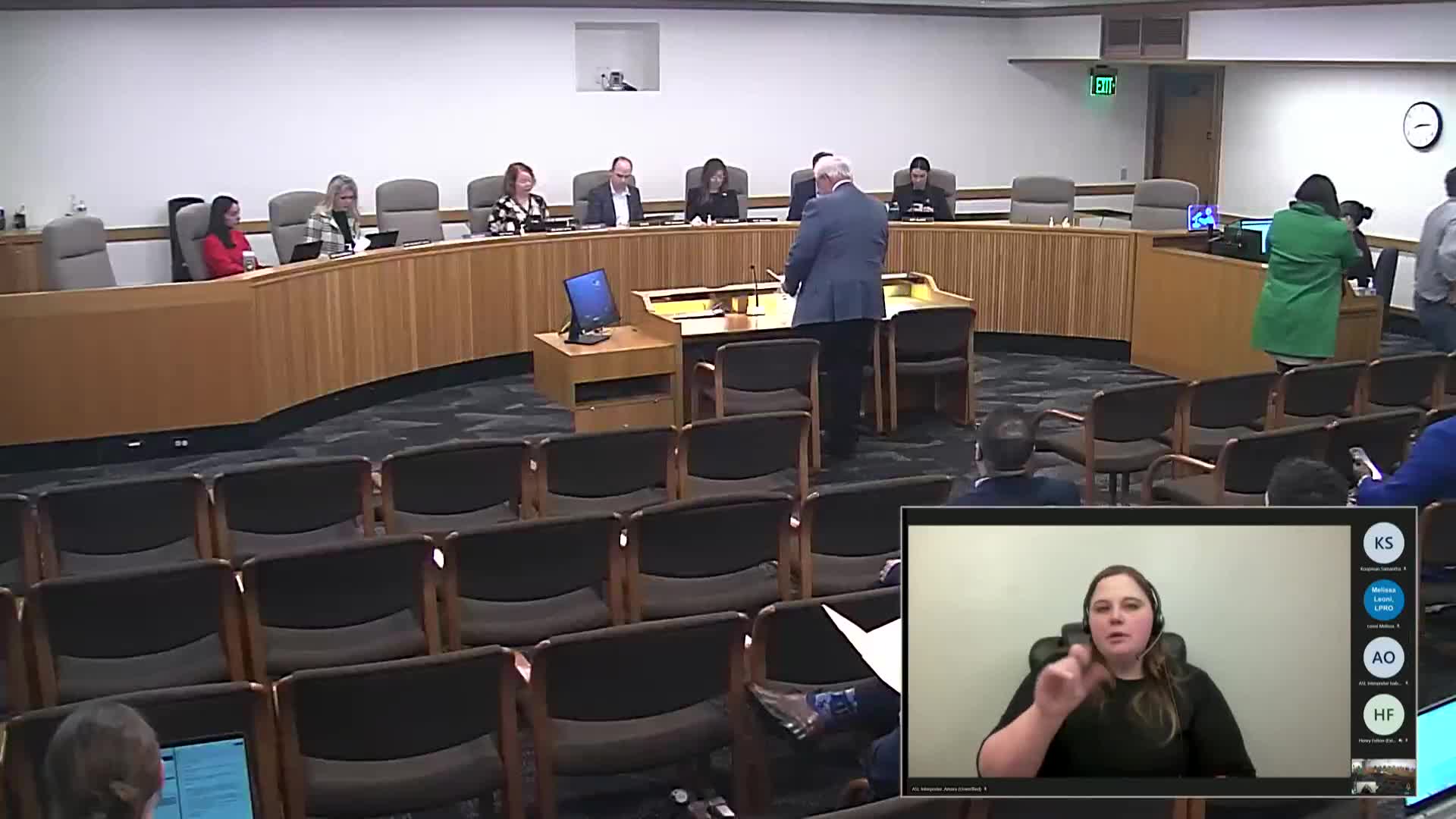
The House Committee on Rules held public hearings Feb. 19 on House Resolution 1 and House Resolution 2, ceremonial measures recognizing Lewis Southworth and Reuben Shipley for their historical contributions to Oregon.
Representative David Gomberg, sponsor of both resolutions, told the committee the measures are intended to be completed quickly if the committee reports them to the floor because house resolutions do not go to the Senate or the governor. Gomberg said the resolutions are being considered during Black History Month.
Gomberg described Lewis Southworth (HR1) as born into slavery in Tennessee on July 4, 1830, brought to Oregon in 1853, and self‑emancipated by raising funds to purchase his freedom. He said Southworth “did a little bit of everything” — operating a stable and ferry, working as a blacksmith and prospector, and serving in the Rogue River Wars — and that Southworth later donated property for the first school in Walport and was buried in Crystal Lake Cemetery in Corvallis; Gomberg quoted Southworth's gravestone epitaph as reading, “a bit of heaven's music is here below.”
On House Resolution 2, Gomberg recounted Reuben Shipley's life, saying Shipley was born into slavery in Kentucky in the early 1800s, worked as a plantation manager and later came to Oregon after being promised freedom. Gomberg said Shipley purchased roughly 100 acres near Philomath, successfully sued to secure his wife's freedom (paying $700 to her former owner), and in 1861 donated three acres for Mount Union Cemetery — noted as one of the first integrated cemeteries in the country. Gomberg said Shipley died in September 1872.
Committee members asked Gomberg questions about how he learned of the subjects; he said both men are part of his district's local history and cited community commemorations and a statue dedication in Walport.
Both public hearings concluded with the sponsor asking the committee to move the resolutions to the House floor; no committee votes were recorded in the hearing transcript.