Get Full Government Meeting Transcripts, Videos, & Alerts Forever!
Get email alerts on the River Maintenance And Access topic
No spam. Unsubscribe anytime.
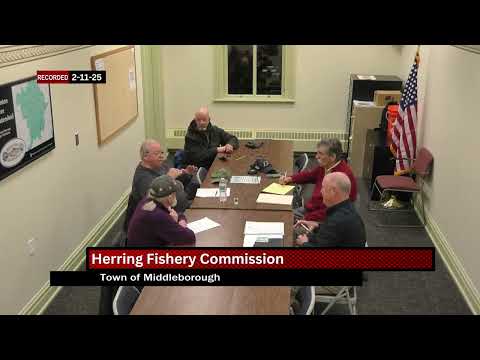
Commission discusses river flow, dam boards, fish ladder and access constraints
Summary
Members reviewed current pond and river conditions, recent dam board changes, fish-ladder flow, sandbars and barriers to offloading equipment, plus concerns raised about chemical weed control downstream.
Members of the Millborough Lakeville Herring Fishery Commission discussed river and pond conditions, dam boards and fish-ladder flow at their most recent meeting, identifying sandbars and narrow bridge openings as the primary constraints to access and migration.
Commission members said the pond and river remain largely affected by ice and sand buildup. A member reported seeing 39-degree water at the river mouth compared with the 43–44 degrees the commission has historically associated with herring arrivals; the speaker said the lower temperature this season may delay runs but did not assert a confirmed impact.
The commission discussed work at the dam: boards were installed in December when low flow raised concerns about municipal pumping and then partially removed about two weeks before the meeting, producing increased flow through several pen sections and an estimated 8–9 inches of water in the fish ladder. Members said Section 5 remained clogged with sand and not flowing. Several commissioners said they would continue to monitor flow and the ladder and planned to remove remaining temporary boards to gauge changes in the channel.
Sandbars and narrow bridge openings were described as recurring operational problems. Members identified a “pinch point” near the railroad bridge and a long sandbar that extends downstream roughly 1,800–2,000 feet; they said those conditions could strand barges or block launch trailers depending on water level. The commission discussed possible offload points, including a sandy area near the middle-door side of the river and past turnarounds at Lakeshore Road, but members said many candidate locations are marshy or otherwise unsuitable and that precise offload plans would depend on water level and trailer access.
Commissioners also discussed weed removal and potential use of herbicides. A member said a natural-heritage program contact, Misty, had mentioned chemical treatments and referred to product names the speaker rendered as “Purcell and Core” (spelling and exact formulation were not confirmed in the meeting). Members expressed concern about potential downstream transport of chemicals and possible effects on wells; no formal recommendation or pesticide authorization was recorded.
Members described continuing maintenance tasks: measuring and resetting boards at Wareham Street ladder, clearing sticks and debris near Bridge Street and Bond Street, and planning targeted cleanup from Bond Street down to the dam to reduce blockage. They agreed to alert each other when they planned weekend or weekday work and asked not to undertake heavy tasks alone in cold conditions.
The discussion included operational history: commissioners said the first cove on the Middleborough side has accumulated sand over years and that trains and the railroad bridge contribute to the river’s “choke point.” The conversation noted a longer-term access project previously discussed but not completed by a contractor the commission referred to as “Serpent,” and members said further action would depend on the town or other agencies taking steps.
Ending: Commissioners directed ongoing monitoring of river and ladder conditions; several said they would measure flows, coordinate weekend work, and report back at the next meeting.