Get Full Government Meeting Transcripts, Videos, & Alerts Forever!
Get email alerts on the Traffic Safety topic
No spam. Unsubscribe anytime.
Senate committee approves judge-ordered speed-limiting devices for repeat street-racing convictions
Summary
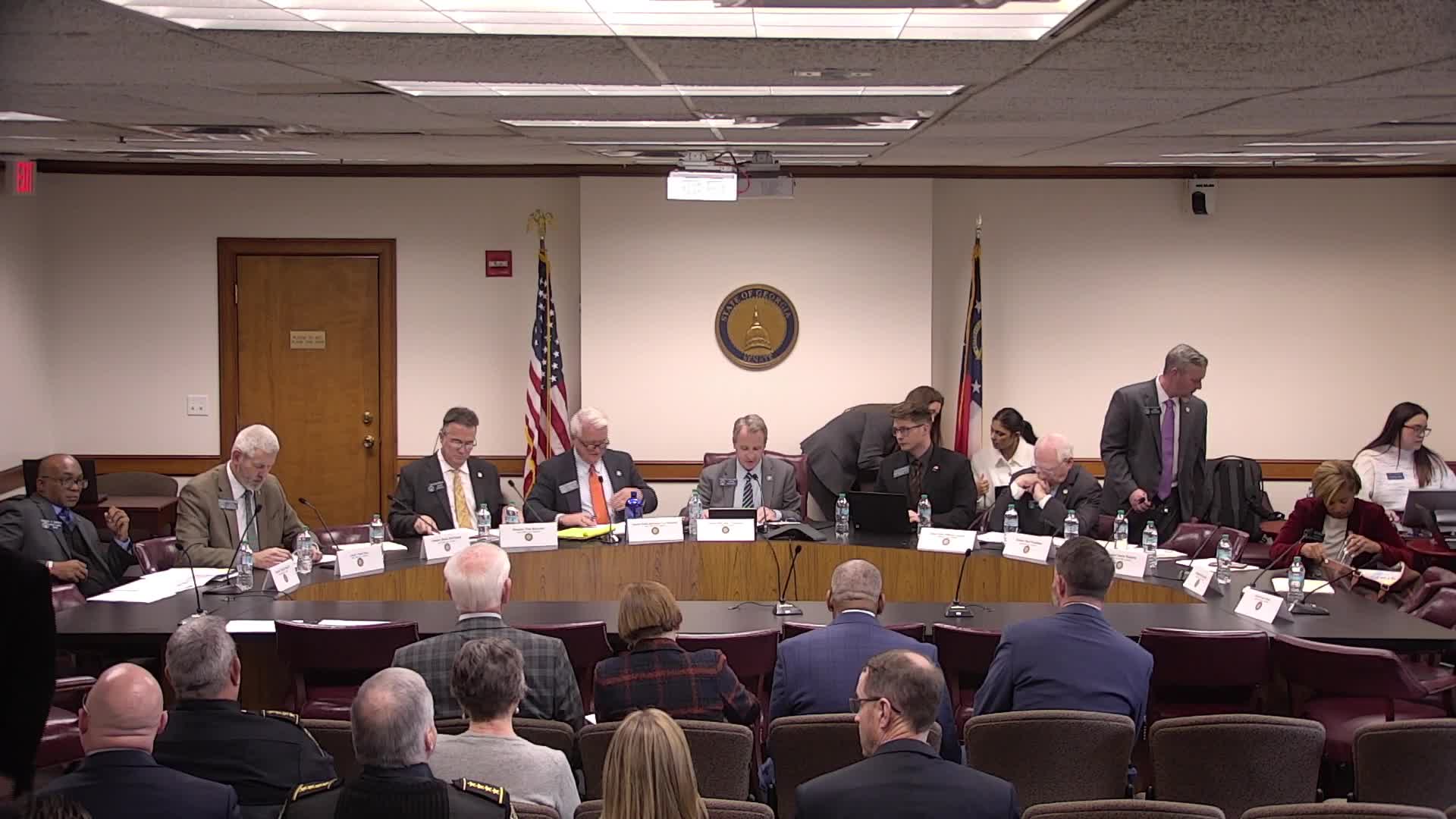
The Senate Public Safety Committee voted unanimously to advance legislation that would authorize judges to require installation of intelligent speed devices on vehicles of repeat reckless stunt-driving offenders, limiting speeds to no greater than 70 mph.
Senator Kirkpatrick, sponsor of Senate Bill 160 (LC 394601), told the Senate Public Safety Committee on Oct. 12 that the bill authorizes a court to order installation of an “intelligent speed device” on vehicles of people convicted a second or subsequent time of reckless stunt driving, including drag racing. The devices would limit the vehicle to no more than 70 miles per hour, she said.
The bill gives judges discretion to require the device rather than imposing a mandatory installation. “ISAs…have been in use in Europe for many years, and states are beginning to use this tool to control excessive speeding, including street racing,” Kirkpatrick said. She told lawmakers the devices cost between about $200 and $1,600, to be paid by the offender, and that the bill does not impound vehicles so offenders can still travel to work.
Committee members asked practical questions about manufacturers and setting the limit. Senator Tim Bearden asked how many companies produce the technology in the United States; Kirkpatrick said she had identified three firms that do the same function but expected more exist. A committee member observed judges could set a lower cap than 70 mph when appropriate; Kirkpatrick said the bill allows the device to be set at no greater than 70 mph and the committee could alter that if desired.
Senator Chuck Payne moved to advance the bill on LC 394601; Senator William seconded the motion. The committee chair called the question and the bill passed by voice vote; the chair announced the motion “passes unanimously.”
The bill now moves to the Senate Rules Committee.