Get Full Government Meeting Transcripts, Videos, & Alerts Forever!
Get email alerts on the Affordable Housing Development topic
No spam. Unsubscribe anytime.
Fluvanna Louisa Housing Foundation outlines development and grant activity; supervisors press for budget clarity
Summary
The Fluvanna Louisa Housing Foundation presented project activity and multiple grant awards, including a proposed workforce housing development and various grant sources; supervisors questioned program details, income limits tied to area median income and whether county funding would be needed to complete projects.
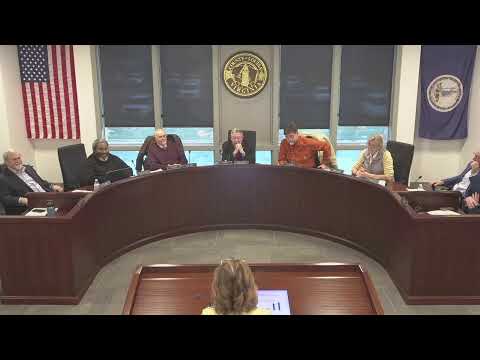
Kim, presenting for the Fluvanna Louisa Housing Foundation, updated the Louisa County Board of Supervisors on program operations, grant awards and a multi-source financing approach for a new workforce housing development.
Kim said the foundation has expanded volunteer capacity, added board members including Jeff Barton as board chair, and operates programs including home repairs, rental properties, financial education, construction assistance and ramps. She said the organization gave up a tenant-based voucher program after reviewing enforcement and outcomes with Virginia Housing; vouchers were redistributed to other organizations.
The foundation described several funding sources supporting current work: a $220,000 award from the Thomas Jefferson Planning District Commission (TJPDC) for construction-related work; about $2.1 million in mortgage reservations used to buy down interest rates for first-time buyers; $283,000 in repairs and in-kind donations last year; and multiple Virginia Housing and state grants in development. Kim said the foundation has accessed $1,260,000 in a workforce-housing program the governor announced; the award would support nine two-bedroom workforce rental units and braid with other funds and loans. She said the foundation anticipates approximately $1.5M–$4.5M in combined financing for the Resource Lane project (presenters described a roughly $4.5M total development cost, with variable per-unit construction costs and separate infrastructure expenses).
Supervisors pressed for clarity on income limits and what “20% AMI” means in practice. County staff and presenters explained AMI refers to area median income and varies by household size; presenters said the workforce housing program allows units targeted to households at up to 20% of the area median income calculation used by the grant. Presenters also said rental charges would be scaled to income (for example, charging about 30% of income for tenants selected under program rules).
Board members asked whether the foundation could complete the project without additional county funding; presenters said they would have to “braid” multiple funding sources and that missing any piece would slow completion and require seeking other sources. Supervisors suggested that capitalized project costs and temporary staff needed to deliver the project be documented in capital budgets rather than ongoing operating requests.
No board appropriation was made at the workshop. Supervisors invited the foundation to return to a future meeting for a longer presentation and encouraged further documentation of project budgets, timelines and how county funds — if requested — would be applied.