Get Full Government Meeting Transcripts, Videos, & Alerts Forever!
Get email alerts on the Animal Welfare topic
No spam. Unsubscribe anytime.
Manatee commissioners reopen debate on retail pet sales; county attorney asked to draft moratorium-style limit on new stores
Summary
After hours of public comment from animal-welfare advocates and pet-store supporters, the Board directed the county attorney to draft language to prevent new retail pet stores that sell live animals while the county task force studies the issue and staff compiles data.
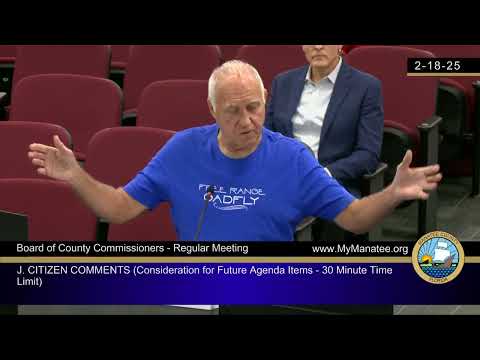
Commissioners on Tuesday reopened a long-running debate over whether to ban retail sale of companion animals in Manatee County, hearing more than an hour of public testimony before voting to ask the county attorney to draft a legal limit on new retail pet stores pending further study.
The discussion, scheduled as Commissioner George Cruz’s agenda item on reinstating a retail pet ban that the board had approved in 2021 and later rescinded, drew a large public turnout. Animal-welfare advocates said the retail market creates demand that drives puppy mills and leads to high illness and surrender rates at the county shelter; store owners and industry representatives said franchise and independent pet retailers follow licensing and sourcing rules and help consumers with additional protections.
“Puppy mills and backyard breeders exist because there is a market,” animal-rescue volunteer Kristen Martin told the board. She urged commissioners to reinstate the ban. Pet-store operators including Britney Crawford, general manager of Petland Sarasota, said their stores use USDA-licensed sources, provide buyer protections and veterinarians’ records, and work with breeders to raise standards. Dan, identified in testimony as a local pet-store owner, asked the board for a public tour of his breeders and said his business has invested in certification and retirement of breeding dogs.
Board members expressed a range of views. Commissioner Mike Ron described the county’s October animal-breeder registration and inspection ordinance (24-92) as “one of the toughest in the state” and warned that a retail ban could push sales underground and would not stop backyard breeders. Other commissioners said they wanted more data. Commissioner George Cruz said the public had clearly asked for reconsideration and asked that the county measure the legal and business impacts before adopting new rules.
To pursue a middle path, the board voted 6–0 (with one commissioner absent) to direct the county attorney to bring back draft language that would bar any new retail stores that sell live animals while staff and an animal-welfare task force study sources, impacts and legal constraints. The motion does not close existing stores; it seeks a “moratorium-style” restriction on new entrants only. Commissioners also asked staff to ensure broad stakeholder representation on the ongoing task force, including municipal, shelter, veterinary and, at the board’s request, private-industry voices.
Why it matters: Commissioners said they want to avoid repeating a hurried policy process. State law changes (Senate Bill 170) now require additional business-impact analysis for ordinances that restrict businesses, and several commissioners asked for a structured workshop and more time to gather evidence and testimony before moving to a permanent ban. The directive to the county attorney will produce proposed language for the board’s consideration at a future meeting; staff said the county will also brief the board on the effect of similar measures in neighboring counties.
What’s next: The county attorney will return draft language to limit new retail stores selling live animals, plus options for a business‑impact assessment and a timeline for the animal‑welfare task force to report back. The board instructed staff to include diverse stakeholders in the task-force process and to schedule public workshops to collect additional input.