Get Full Government Meeting Transcripts, Videos, & Alerts Forever!
Get email alerts on the Flooding Causation Tenaris topic
No spam. Unsubscribe anytime.
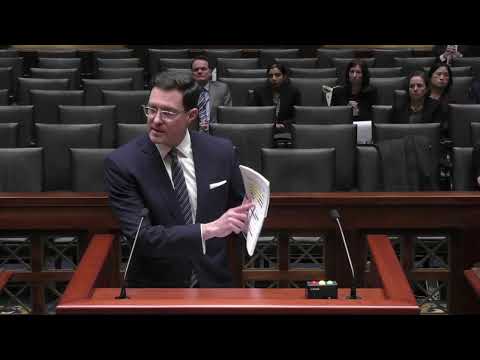
Texas Supreme Court hears dispute over flood causation after Hurricane Harvey
Summary
At oral argument in Tenaris Bay City v. Elisor, attorneys debated whether plaintiffs offered legally sufficient evidence tying Tenaris’s site discharge to flood damage during Hurricane Harvey, with counsel disputing whether hydrological expert work was required to show but‑for causation.
The Supreme Court of Texas heard argument in 230808, Tenaris Bay City v. Elisor, a dispute about whether property owners proved Tenaris’s site caused flooding during Hurricane Harvey.
The petitioner's lead counsel argued the plaintiffs “failed to produce any evidence that Tenaris' conduct caused the flooding of their properties,” saying the plaintiff expert never modeled how increased outflow from the Tenaris site would have traveled across intervening watercourses to the homes at issue. The petitioner told the court that the expert’s analysis stopped at the Tenaris site boundary and therefore left a gap on but‑for causation.
Respondent counsel responded that Tenaris’s construction and maintenance of detention features altered the land’s ability to absorb water and that multiple witnesses and local engineers warned that the company’s outflow practices would push water into the neighborhood. Respondent counsel described the facts as “an unusually simple case,” saying the nearby houses were “unimpeded” in three instances and that other evidence showed higher discharges after Tenaris’s facility was built.
Both sides disputed how weather‑event evidence should be weighed. Petitioners stressed that plaintiff meteorologist Dr. Branscomb characterized the event as the heaviest four‑day rainfall on record in the area and argued that in such an unprecedented storm the plaintiffs must show — by expert hydrological analysis where the facts are complex — that the properties would not have flooded but for increased outflow. Respondents pointed to testimony and exhibits they say show Tenaris’s detention ponds were not maintained, that required rain‑gauge data was not produced from the Tenaris site, and that county engineers warned Tenaris its outlet would “force water upstream into the neighborhood.”
Counsel also highlighted a post‑trial stipulation: after the liability phase the parties stipulated total damages of $2,800,000 for the zones covered at trial; petitioners warned that if the court were to find sufficiency only as to some properties the damages disposition could require remand because the stipulation covered all zones collectively.
The court heard detailed argument over application of Texas causation precedents including the court’s treatment of technical issues in City of Keller and the construction/causation analysis in Tarrant Regional Water District v. Gragg. No decision was announced at argument.