Get Full Government Meeting Transcripts, Videos, & Alerts Forever!
Get email alerts on the Administrative Law Finality topic
No spam. Unsubscribe anytime.
Texas justices hear dispute over whether SOAH ALJ order was final in Henry Carlson case
Summary
The Supreme Court of Texas on Monday heard oral argument in No. 24-0081, Henry Carlson, over whether an administrative law judge—s order from the State Office of Administrative Hearings (SOAH) became a final, appealable agency decision.
The Supreme Court of Texas on Monday heard oral argument in No. 24-0081, Henry Carlson, over whether an administrative law judge—s order from the State Office of Administrative Hearings (SOAH) became a final, appealable agency decision.
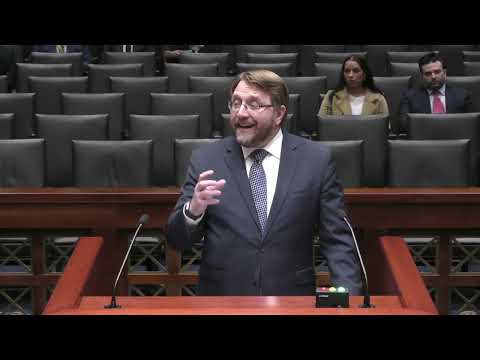
Relators— counsel John Sullivan told the court that the writ should issue because the Texas Comptroller did not sign the order required by law and the document lacks the separately stated findings of fact and conclusions of law the Government Code requires. "The court should grant the writ here because the comptroller failed to sign the order required by law," Sullivan said, arguing that without a signed agency decision there is no final agency determination under the Administrative Procedure Act.
Why it matters: The question determines the route for judicial review and whether the Carlsons forfeited administrative remedies. If the SOAH order is not final, Sullivan argued, the contested case remains pending and the relators did not forfeit the right to seek rehearing and review by pursuing the agency that has final authority.
Respondent counsel Mr. Scanlon, representing the Texas Comptroller, urged the court to look to the relevant statutes and SOAH rules and deny the petition for writ of mandamus. Scanlon said that, as a practical and legal matter, an ALJ may issue an order dismissing for lack of subject-matter jurisdiction and that the relators failed to timely pursue available administrative remedies, including filing a motion for rehearing or exceptions where applicable. "The court should deny the petition for writ of mandamus because it is the ALJ and not the comptroller who issues the final order of dismissal in a case where subject matter jurisdiction is lacking," Scanlon told the court.
Argument focused on three points pressed by Sullivan: (1) SOAH lacks authority to issue the final disposition in this contested case; (2) the comptroller retains authority under the cited statute to modify or adopt a SOAH order, which implies the ALJ—s order was not final; and (3) Government Code section 2001.141(b) requires separately stated findings of fact and conclusions of law for an order that may become final, and those are absent here. Sullivan pointed the justices to examples in the record where the comptroller later adopted or modified a SOAH jurisdictional ruling and then issued a final comptroller order containing findings and conclusions.
The justices probed procedural consequences and doctrinal limits. Several justices asked whether the relators could invoke Moseley v. Texas Health and Human Services Commission to remedy any reliance on SOAH counsel—s informal statements; Sullivan answered that the relators relied on SOAH—s general counsel—s email characterization of the proceeding as a proposal for decision. The court also questioned how a litigant could pursue relief in district court if administrative remedies had not been exhausted and how the Government Code—s signature and form requirements operate in this setting.
The court also addressed standing and causation arguments raised by the comptroller. Scanlon argued the Carlsons face the same standing hurdles identified in other cases, contending their alleged property injuries were not fairly traceable to the comptroller—s actions alone but involved intervening third-party decisions.
At the conclusion of the argument the justices announced the case submitted for decision. The court did not announce a ruling at the argument.
Submitted for decision: The case is submitted to the justices for disposition; no opinion was announced from the bench at the argument session.
Notes on attribution: Quotations are drawn from counsel—s argument as recorded in the oral-argument transcript. The article attributes remarks only to speakers who appeared in the argument and identified themselves on the record.