Get Full Government Meeting Transcripts, Videos, & Alerts Forever!
Get email alerts on the Oil And Gas Lease Law topic
No spam. Unsubscribe anytime.
Texas high court hears dispute over whether cotenant production can keep oil-and-gas leases alive
Summary
At oral argument in Cromwell v. Anadarko E&P Onshore, attorneys disputed whether passive production by a cotenant — rather than drilling or other acts by the lessee — can perpetuate a paid-up oil-and-gas lease after its primary term.
The Supreme Court of Texas heard argument in Cromwell v. Anadarko E&P Onshore on whether production by a cotenant can sustain a paid-up oil-and-gas lease beyond its primary term when the lease’s habendum clause uses passive language.
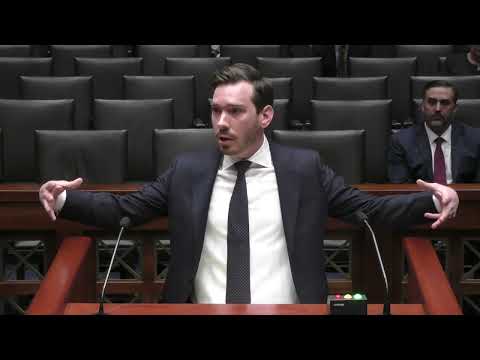
Mister Smith, counsel for the petitioner, told the court that the text of Mister Cromwell’s leases requires only that oil or gas be produced and stressed that production has occurred “at all relevant times.” Smith argued the court should give the lease language its plain grammatical meaning and decline to read the words “by the lessee” into the habendum clause. “His leases have been perpetuated,” Smith said, adding that Cromwell also sent checks to contribute to operating costs.
Miss Zamora, counsel for the respondent Anadarko, urged the opposite approach. She said precedent going back to Texas Company v. Davis requires that a lessee use the lease for its stated purpose and that a lessee who never intended to develop the property cannot hold the estate indefinitely. Zamora told the court that Cromwell “never intended to do any development or production” and argued the lessee must cause or “produce” the initial production rather than merely benefit from a cotenant’s activity.
Why it matters: the outcome would affect how paid-up leases with passive-language habendum clauses are interpreted across Texas. Counsel for both sides warned of industry and title consequences: Smith said a plain-text rule would reduce uncertainty for parties who negotiate lease terms; Zamora warned that upholding Cromwell’s view would permit passive investors to capture mineral interests without undertaking exploration or drilling.
Key arguments and authorities: Smith invoked Anadarko v. Thompson and the Williams & Myers treatise to press that courts should avoid importing a “by the lessee” requirement when the lease does not include those words. He argued cotenancy law and remedies (including netting of revenues under Cox-related authority) allow cotenants who benefit from production to seek contribution without treating the lease as forfeited. Zamora relied on long-standing precedent (including Texas Company v. Davis, Madison, Hughesville v. Cantwell, Garcia v. King, and Ricane-related authority) to argue the court should treat the lessee’s role as central to the habendum clause and preserve the “use it or lose it” principle dating to earlier Texas decisions.
Contract terms and factual details discussed: the Tantalo lease’s habendum clause was described during argument as a typical paid-up lease for a primary term of three years “and as long thereafter as oil, gas, or other minerals are produced from said land.” Counsel highlighted specific lease provisions used in the parties’ briefs: Cromwell’s bottom-lease contained an apparent shut-in royalty of $25 per mineral acre, while the Anadarko top lease contained a $1 per mineral acre shut-in royalty. Counsel also discussed that there were several wells already on the premises before Cromwell took his leases (counsel referred to three or four prior wells) and that Cromwell had sent payments described as contributions toward production costs. Cromwell’s asserted share of the mineral estate (7/8ths) and the parties’ competing readings of pooling, joint operating agreements, and cotenancy remedies were central to the argument.
Areas of dispute and court questioning: Justices pressed both counsel on practical consequences. Several justices asked whether the court would have to overrule Madison or other precedents to adopt either party’s position, whether importing a drilling or exploration obligation into the habendum clause would render implied-covenant doctrines superfluous, and how title stability and industry practices would change under each rule. Counsel debated whether compulsory pooling or a joint operating agreement (JOA) was available or necessary and whether Anadarko’s refusal to provide a JOA should affect Cromwell’s rights.
Outcome and next steps: The case was submitted at the end of argument and the court took the matter under advisement. No opinion or decision was announced from the bench during the session.