Get Full Government Meeting Transcripts, Videos, & Alerts Forever!
Get email alerts on the Criminal Procedure Healthcare topic
No spam. Unsubscribe anytime.
Committee hears bill allowing quick motion to dismiss criminal charges tied to health-care practice
Summary
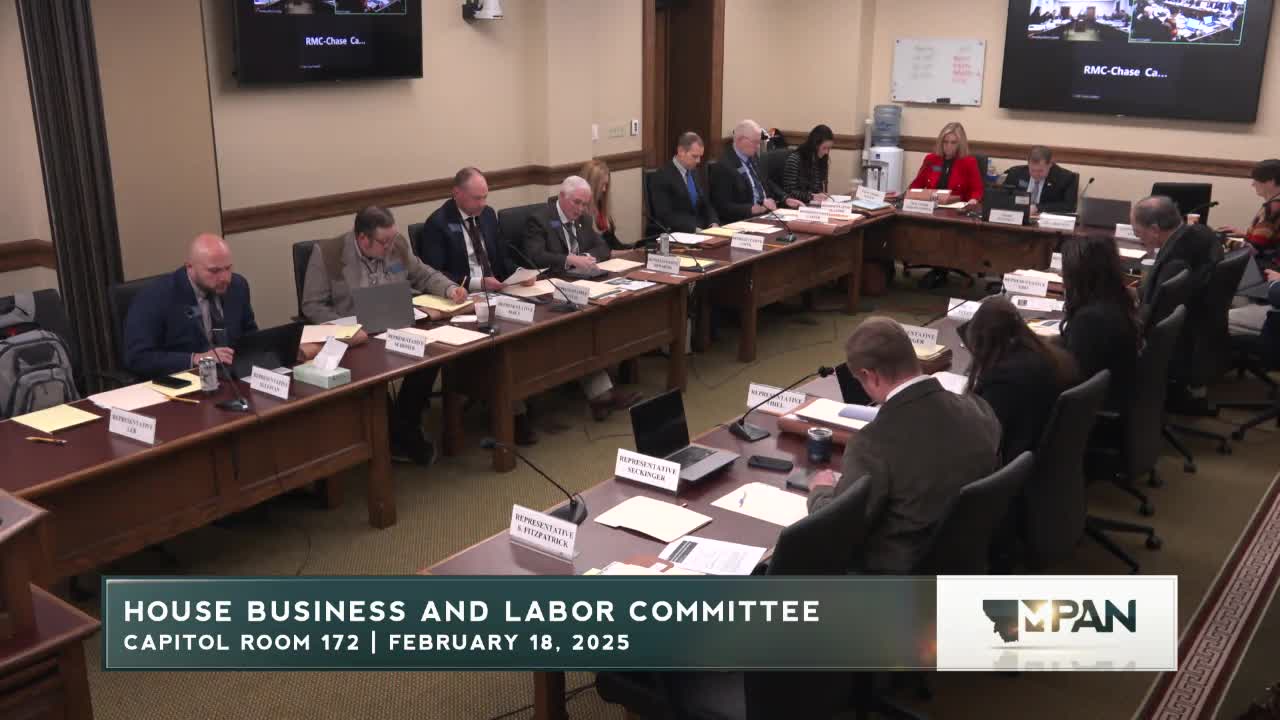
Representative Staffman presented House Bill 437, which would allow a health-care worker charged with a crime arising from clinical care to file an immediate motion to dismiss; prosecutors would need to show intent and a breach of the applicable standard of care to proceed.
Representative Staffman opened the hearing on House Bill 437 and described the bill as a response to staffing shortages and a specific case in Nashville where a nurse charged after a medication error prompted a mass walkout.
“This bill does not affect licensing in any way whatsoever of health care professionals, nor does it affect civil liability,” Staffman said, and clarified the bill applies to criminal complaints, informations or indictments arising from conduct in the course of providing health care.
Under the bill, a licensed health-care worker charged with a crime arising from clinical work could immediately file a motion to dismiss. A judge would hold an immediate hearing, at which the prosecutor must prove by a preponderance that (1) the act was knowing or purposeful rather than merely negligent and (2) the conduct was outside the applicable standard of care for that provider. If the prosecutor cannot make that showing, the criminal case would be dismissed.
Jean Branscum of the Montana Medical Association testified in support and framed the bill as enabling physicians to “work at the top of their license” and helping recruit and retain clinicians in Montana’s rural areas. Eric Anderson of the Montana Nurses Association urged careful deliberation and said the association was present to emphasize the bill’s importance to preserving high-quality health care and professional practice standards.
An opponent, Anna Shemalinin (testifying as an individual), urged a no vote and raised historical examples about criminal prosecutions tied to medical practice standards; she said the issue implicated consent and professional accountability.
Committee members asked whether the bill could inadvertently affect civil cases or licensing. Staffman and witnesses said the bill’s mechanics address criminal procedure (complaint/information/indictment) and that nothing in the sponsor’s intent sought to change civil liability; the sponsor also said he was open to an amendment making that point explicit. Committee members also discussed how proving intent differs from negligence and whether unprofessional conduct could feed into separate licensure processes.
Staffman closed by reiterating the bill’s intent to preserve a welcoming legal environment to help recruit health-care workers to Montana. The committee closed the hearing; no committee vote was taken during this session.