Get Full Government Meeting Transcripts, Videos, & Alerts Forever!
Get email alerts on the Higher Education Funding topic
No spam. Unsubscribe anytime.
Higher education chairs urge performance funding, propose targeted one-time investments
Summary
Higher education co-chairs asked the committee to honor roughly $20 million in performance funding and prioritized one-time reallocations for credential expansion, applied AI, cybersecurity and campus completion grants.
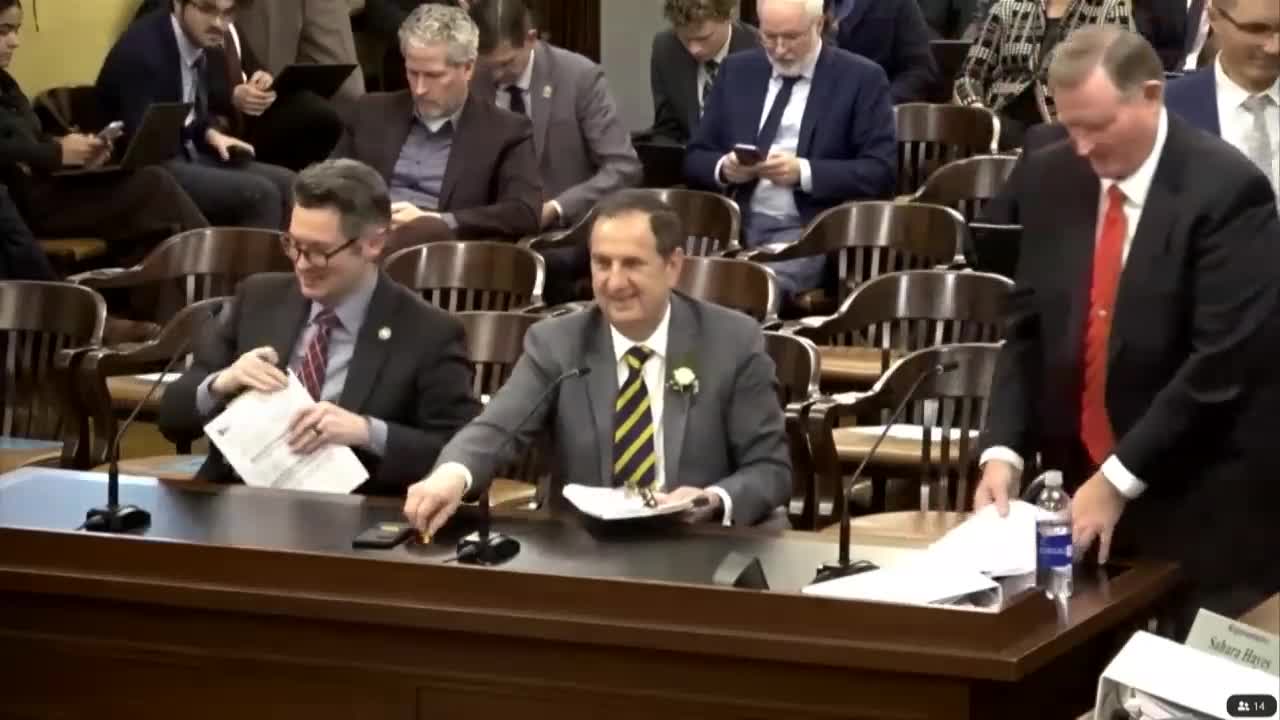
Higher education co-chairs presented the subcommittee’s funding priorities and one-time reallocations to the Executive Appropriations Committee.
The co-chairs said the top ongoing priority is honoring performance funding — about $20,000,000 — to support outcome-based higher-education goals. They also cited enrollment-growth funding needs at technical colleges (including Bridgerland, Davis Tech, Dixie Tech and Ogden-Weber) and requested additional degree-granting and enrollment-growth allocations for Southern Utah University and Utah State University (the transcript identified amounts of roughly $580,000 for SUU and $300,000 for Utah State).
The committee proposed a $4,000,000 Talent Ready Utah Engineering and Computer Science Initiative to expand graduates by roughly 500 per year and flagged that some credential-expansion funding would come from the public education stabilization fund and Tobacco Fund for specific programs (Vineyard cancer screening resources from Tobacco Fund was cited).
For one-time funding the subcommittee reallocated operations-and-maintenance backouts and unused balances to support cybersecurity software and tools, the Future Focus initiative at Snow College and Uinta Basin, an applied AI center at Utah Valley University, completion grants at Weber State and a space and defense research institute at Utah State and Weber State. The chairs noted some requests (for example, the Herbert Institute/Utah debates) appeared on multiple committee lists and said staff would ensure requests are not double-funded.
Why it matters: Performance funding and targeted capital investments affect institutional budgets, program capacity and workforce development objectives across Utah’s public higher-education system.