Get Full Government Meeting Transcripts, Videos, & Alerts Forever!
Get email alerts on the General Government Fees And Autism Coverage topic
No spam. Unsubscribe anytime.
General Government subcommittee flags $38M autism coverage shortfall; recommends set-aside and fee changes
Summary
The General Government Subcommittee reported a projected $38 million shortfall in the fund that subsidizes state-mandated autism coverage by FY2029 and recommended setting aside $6.6 million one-time while pointing to Senate Bill 256 as a longer-term solution.
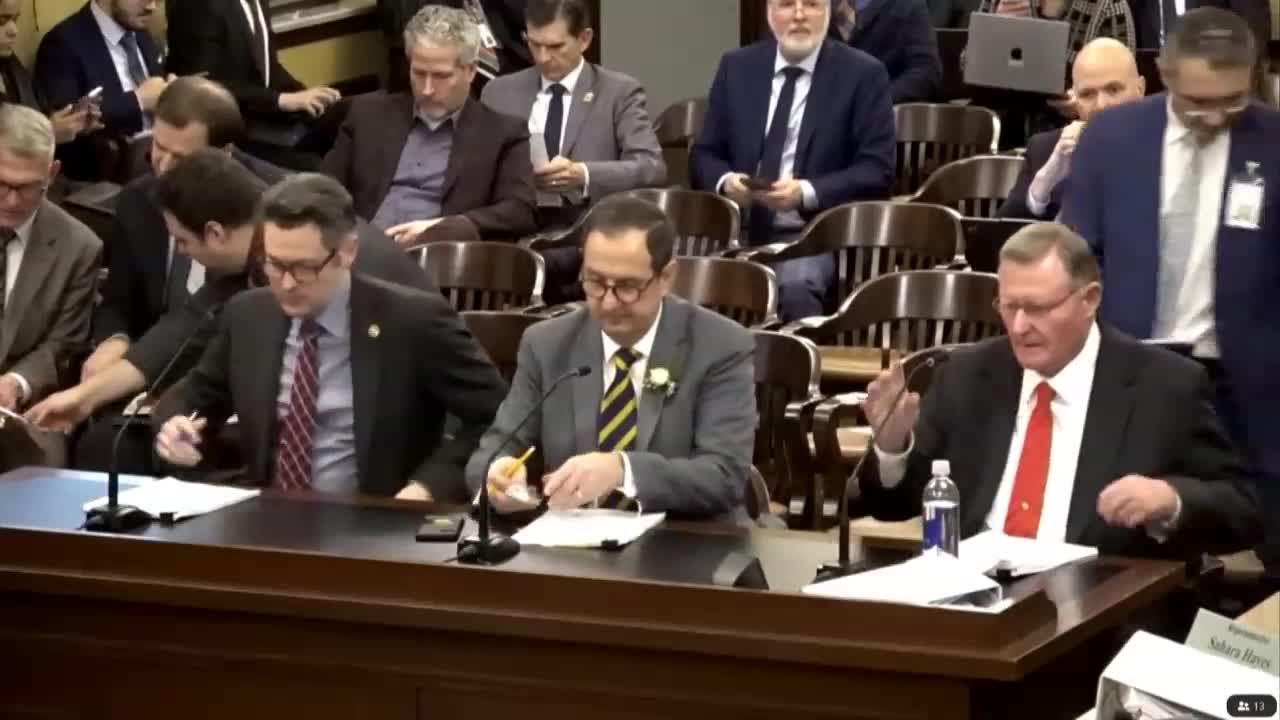
Senator Vickers and committee members presented the General Government Subcommittee report and highlighted several items the panel wants the Executive Appropriations Committee to consider.
On autism coverage, the committee said the state has required coverage for diagnosis and treatment of autism spectrum disorders since 2019 and that federal rules require the state to reimburse insurers for that covered care. The insurance department told the subcommittee that, if current practice continues, the relevant fund will face an estimated $38,000,000 deficit by fiscal year 2029 and that the deficit is increasing at roughly $15,000,000 per year. The subcommittee recommended setting aside $6,600,000 in one-time funds now and referred to Senate Bill 256 as a potential long-term statutory fix if enacted.
The committee also discussed a proposal to create a construction-fraud attorney position funded by increases in construction-license fees so that the change would not have a net general-fund impact. Members described that fee increase as a mechanism to pay for the enforcement position.
Other items included a recommendation of $600,000 for a debate-related entity (the request appeared to be on multiple subcommittee lists), a discussion of an ongoing Utah Cyber Center effort that has funding into 2028 (a potential future request would be $5,000,000 ongoing), and a proposed reduction in apostille fees charged by the Lieutenant Governor’s office — the committee said revenue was about $1,000,000 while costs were roughly $200,000 and proposed a modest fee cut this year with a deeper review next year.
Committee members said the panel plans a broader interim review of public-facing fees overseen by the committee, pointing to the complexity of internal service fund rates and rate-setting by the statutory rate committee. Several members thanked committee staff for preparing the new committee to oversee many departments this year.
Why it matters: The projected autism coverage fund shortfall could require either legislative fixes or ongoing appropriations to maintain mandated coverage; fee changes and targeted one-time spending decisions affect agencies’ operations and future budget pressures.