Get Full Government Meeting Transcripts, Videos, & Alerts Forever!
Get email alerts on the Government Records Grama topic
No spam. Unsubscribe anytime.
Senate committee advances GRAMA overhaul after hours of testimony and public opposition
Summary
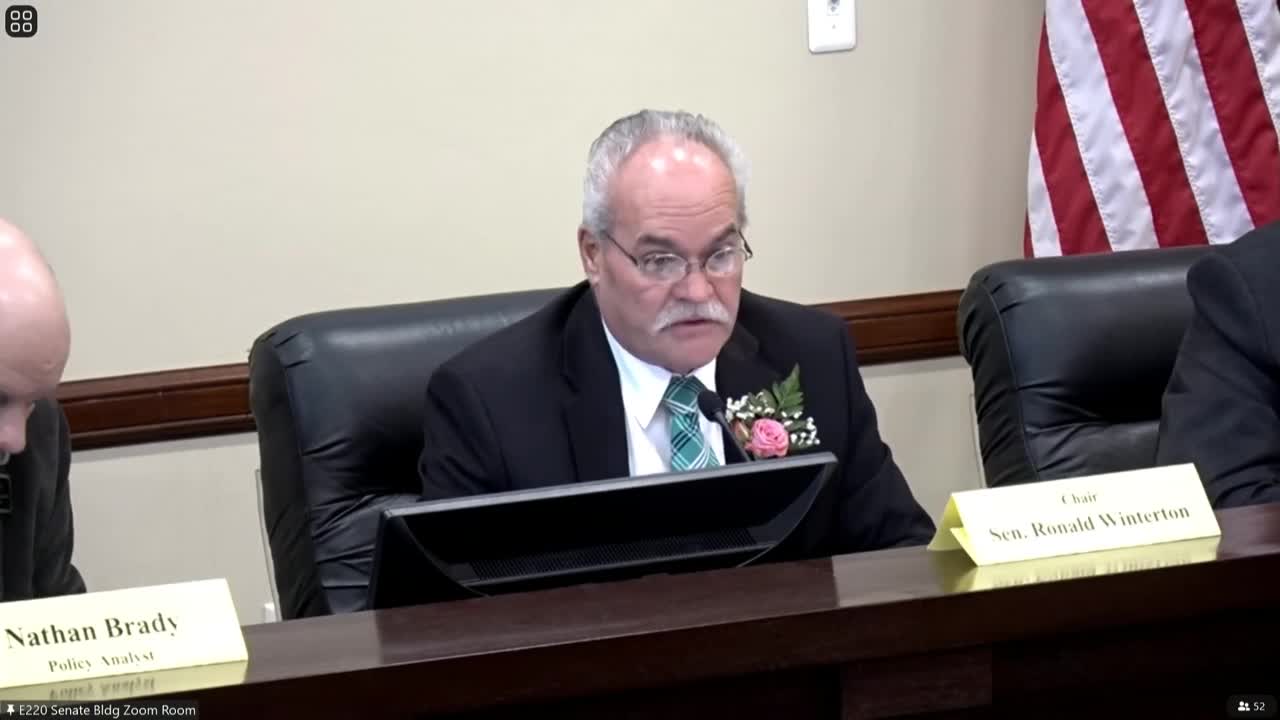
The Senate Government Operations and Political Subdivisions Standing Committee voted to favorably recommend first substitute Senate Bill 277, the Government Record Management Amendments, after extended presentations and extensive public comment.
The Senate Government Operations and Political Subdivisions Standing Committee voted to favorably recommend first substitute Senate Bill 277, the Government Record Management Amendments, after extended presentations and extensive public comment.
Supporters told the committee the current State Records Committee (SRC) appeals process has become slow and inconsistent. Sponsor Senator McHale said the substitute “entirely focuses on the process” and would create an administrative law judge with a legal background and training to decide GRAMA appeals more quickly. Rachel Terry, director of risk management for the State of Utah, testified she does “not take a position on the bill” but said litigation and appeals have increased costs and that other states using a similar model “move cases more quickly and efficiently and reach more consistent outcomes.” Jeff Lambert, commissioner of higher education, said classifying records is a legal question and that legal expertise would provide “clarity and predictability” for institutions required to follow GRAMA.
The substitute retains the existing GRAMA balancing test, the bill sponsor said, but replaces the seven-member volunteer SRC process with an appointed director and a staff attorney to administer appeals and training. The director would be an attorney authorized to practice in Utah, serve a four-year term, and be the primary decisionmaker on administrative appeals. The fiscal note referenced during questioning indicates the change would create two ongoing state positions with an estimated cost “above $400,000” annually. The bill also includes training and outreach provisions intended to improve records classification at state and local levels.
Opponents in the committee room and online urged the panel not to remove the SRC’s citizen-led structure. Mike Judd of the Media Coalition praised the sponsor’s engagement but said “that reposing the decision making process into 1 person, a lawyer … I don’t think that the media coalition agrees with that.” Multiple public commenters, including former SRC members, reporters and civic groups, warned the change would concentrate power in an appointee beholden to the governor; attorney John Gadd pointed to a provision cited in testimony that would permit the governor to remove the director “with or without cause,” and said that raises concerns about independence.
Senators debated tradeoffs between timeliness, expertise and public confidence. Sponsor McHale and supporters pointed to audit findings and internal data showing long delays: committee discussion referenced a statutory 73-day target for SRC cases and stated that in recent years fewer than 10% of appeals met that target, with an average time from notice of appeal to decision of 156 days in 2023. Opponents said delays resulted in part from appointment gaps and urged further study and public engagement rather than moving to a single decisionmaker now.
The committee first approved a motion to delete the bill’s original title and body and replace it with the first substitute. Later, a motion to favorably recommend the first substitute passed on a roll call vote with four senators in favor and two opposed; the chair counted the result as 4–2. The committee’s action moves the substitute to the full Senate for further consideration.
If the measure proceeds, core points left for future debate include restrictions on removal of the director, reporting and transparency requirements for the new office, and metrics to determine whether the new process actually reduces time-to-decision and litigation costs.
The committee’s proceedings included more than two dozen public speakers for and against the substitute; their remarks and the committee’s discussion will accompany the bill as it moves to the Senate floor.