Get Full Government Meeting Transcripts, Videos, & Alerts Forever!
Get email alerts on the Reproductive Health Insurance topic
No spam. Unsubscribe anytime.
Lawmakers discuss adding IVF coverage to Public Employees Health Plan after pilot numbers show low cost
Summary
Sen. Jeremy Musselman described a proposal to extend in vitro fertilization coverage through the Public Employees Health Plan (PHP), citing a pilot program and a PHP estimate of approximately $278,000 per year to cover medicines and follow-up under proposed guardrails.
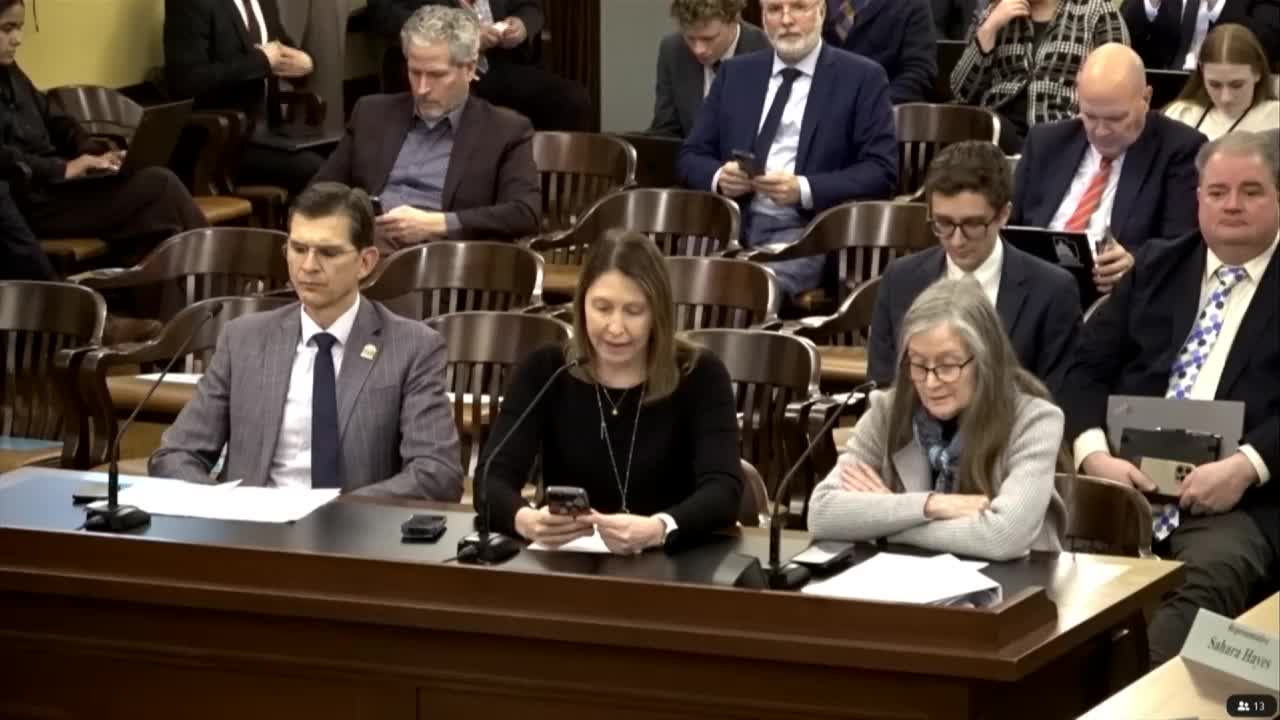
Sen. Jeremy Musselman told the Executive Appropriations Committee that he has been working with a constituent and state health officials on a proposal to add in vitro fertilization (IVF) coverage to the Public Employees Health Plan.
Musselman said a previous pilot program paid $4,000 for IVF under PHP and imposed guardrails — including single-embryo transfer and an age limit under 40 — intended to reduce the risk of multiple births. He told members the plan office ran cost estimates and that a full-coverage scenario (including medicines and follow-up) came back at about $278,000 per year. Musselman said he and PHP staff re-ran the numbers because the result was lower than expected and that PHP was also surprised by the estimate.
The senator described possible policy and fiscal trade-offs: private employers such as Starbucks and Intermountain had offered IVF coverage, which had led some state employees to consider leaving their jobs for positions with more generous infertility benefits. He cautioned that while the pilot suggested cost savings tied to fewer complicated births, he would not claim a net savings without fuller analysis and noted a fiscal note showed an anticipated fiscal impact. He also said that if the executive branch chose to fund the program in year one, subsequent costs could be addressed through adjustments to insurance-related fees.
Sen. Luz Escamilla commended the sponsor’s careful, evidence-based approach and called the proposal “great news for families” and for “good medical care,” thanking staff and the plan office for their work.
The committee chair thanked Musselman for the presentation and said the Executive Appropriations Committee would take the proposal under consideration.
The discussion on IVF coverage was descriptive: committee members asked no substantive questions on program design during the presentation, and Musselman said he had not proposed changes to the pilot’s eligibility or clinical parameters.
Why it matters: Employers’ fertility benefits can affect worker recruitment and retention, and multiple births generate higher per-birth medical costs. The senator framed the proposal as a modification to the state health plan that could keep employees from leaving for private-sector coverage while aiming to limit clinical risk through guardrails.