Get Full Government Meeting Transcripts, Videos, & Alerts Forever!
Get email alerts on the Firearms Eligibility Mental Health topic
No spam. Unsubscribe anytime.
Committee unanimously advances bill aligning state restrictions for those found insane or incompetent with federal approach
Summary
The committee voted unanimously to favorably recommend the first substitute of HB 227, which extends existing firearm-possession restrictions that now apply to felony adjudications to cover misdemeanor and other criminal offenses where a person has been found not guilty by reason of insanity or declared incompetent.
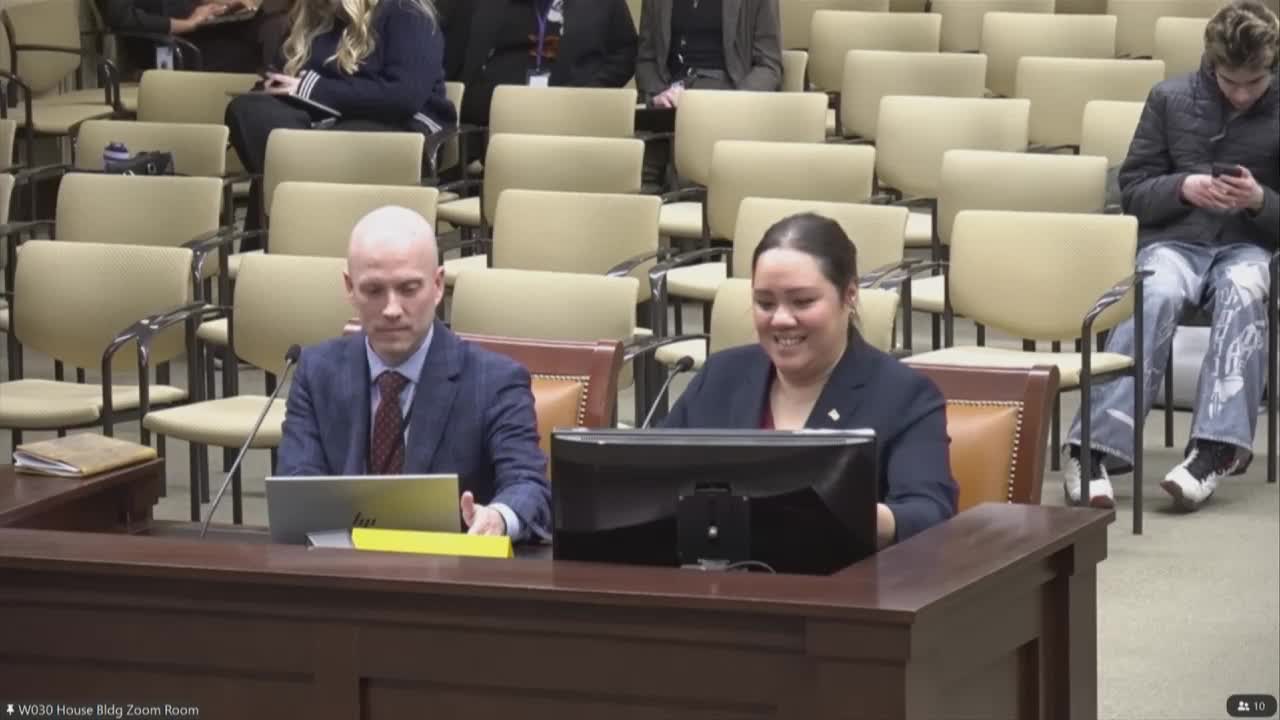
The sponsor told the House Law Enforcement and Criminal Justice Committee that House Bill 227 clarifies existing law so that individuals found not guilty by reason of insanity or found incompetent to stand trial are subject to state firearm-possession restrictions even when the underlying offense is a misdemeanor rather than a felony.
The sponsor said the bill does not create a new permanent ban and retains a judicial pathway for individuals to petition to have firearm rights restored after treatment: “People who receive treatment can petition to have their rights restored,” the sponsor said. The sponsor added the change aligns state practice with federal law.
Committee members asked several procedural questions about competency and the evaluations required. Brett Robinson (Salt Lake County District Attorney's Office) and other committee counsel explained distinctions between findings of mental condition and competence to stand trial and noted current evaluation and certification processes under state code.
The sponsor reported outreach to the courts and said approximately 151 people may be captured under the proposed language, based on court contacts. Representative Stoddard moved to favorably recommend HB 227 (first substitute) and the motion passed unanimously.
Proponents framed the bill as a narrowly targeted alignment of state restrictions to ensure consistent treatment of similar adjudications across offense levels; proponents emphasized the availability of a restoration pathway.