Get Full Government Meeting Transcripts, Videos, & Alerts Forever!
Get email alerts on the Public Health Policy topic
No spam. Unsubscribe anytime.
Senate approves bill blocking state enforcement of potential WHO mandates
Summary
Senate Bill 10-38 passed the Idaho Senate 29-6 on Feb. 18, 2025; the bill would prohibit the state and its political subdivisions from using state resources to enforce requirements or mandates issued by the World Health Organization.
Senate Bill 10-38 passed the Idaho Senate on Feb. 18, 2025, by a vote of 29-6. The measure would add a chapter to Idaho code declaring that the state and its political subdivisions "shall not be compelled to engage in the enforcement of any requirements or mandates issued by the World Health Organization."
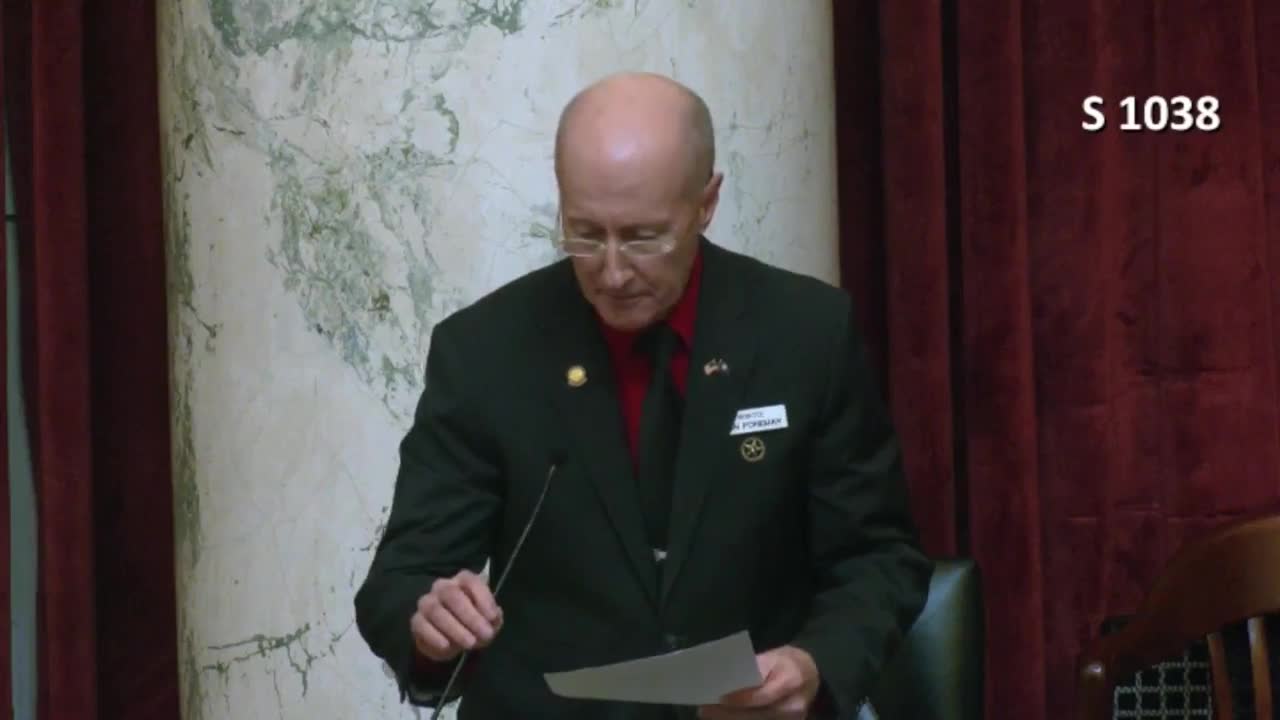
Sen. Foreman, the floor sponsor, said the bill would create chapter 73, title 39 of Idaho Code and that the Idaho attorney general had reviewed the language and concluded it was constitutional. Foreman said the measure does not claim Idaho is not subject to international agreements between the federal government and the WHO, but would instead prohibit using state resources to carry out WHO mandates.
"This legislation will have no appreciable impact on the general fund," Foreman said, and added that enforcement of any WHO requirements under an international agreement would remain a federal responsibility. He characterized the prohibition as similar to steps other states have taken and said the bill would ensure the state cannot be compelled to use state resources to enforce WHO mandates.
During floor questions, another senator raised concerns about trade and international standards for agricultural products, asking whether rejecting WHO requirements could affect acceptance of Idaho exports. Foreman replied that state agencies have the authority to set standards and could adopt or reject particular international standards, but acknowledged notifying international markets could require additional effort.
Debate closed and the Senate adopted the bill by roll call. The Senate approved the title and will transmit the bill to the House of Representatives.