Get Full Government Meeting Transcripts, Videos, & Alerts Forever!
Get email alerts on the Student Mental Health topic
No spam. Unsubscribe anytime.
Spearfish Middle School students introduce Hope Squad peer-support program to board
Summary
Middle school students and counselors presented Hope Squad, a peer-support suicide-prevention program, saying the South Dakota Helpline will fund the program for the first three years and ongoing curriculum costs are estimated at about $650 per year.
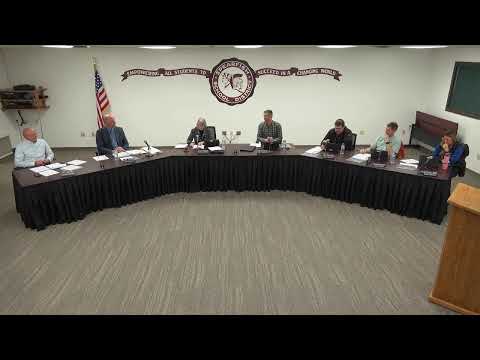
Spearfish Middle School students and counselors presented the Hope Squad peer-support program at the Jan. 13 Spearfish School District 40-2 board meeting, describing it as a student-led mental-health initiative that trains peers to identify emotional distress and connect classmates to trusted adults.
The presentation said Hope Squad trains nominated students to recognize signs of mental distress, provide peer check-ins and guide friends to adult help when needed. Counselors Amber Kaplan and Tika Meuschler said members are nominated by classmates and selected with counselor review and parental permission. Student presenters listed their names and described aspects of the program to the board.
Funding and operations Presenters said the South Dakota Helpline will cover program costs for the first three years; after that the district would be responsible for a curriculum cost of about $650 per year. The presentation also noted a nomination from Black Hills Federal Credit Union to help with small costs, and that students plan fundraising such as bake sales and school events to support ongoing costs.
Program activities and training Hope Squad members meet twice a month during a lunch period for lessons on recognizing signs of distress, safe approaches for peers and self-care strategies for members. Presenters said training focuses on reducing stigma, increasing student awareness of mental-health issues and improving school climate.
Board reaction and questions Board members asked about fundraising and program timing; student presenters said examples include bake sales and lighthearted fundraising activities such as 'pie-in-the-face' events. Board members praised the students for volunteering and presenting to the board.
Why it matters Board members and staff said the program is intended to create a safer, more supportive school climate and to help connect students who are struggling to adults and counseling resources. The district will monitor funding needs after the three-year Helpline support period.