Get Full Government Meeting Transcripts, Videos, & Alerts Forever!
Get email alerts on the Adus And Rent Decreases topic
No spam. Unsubscribe anytime.
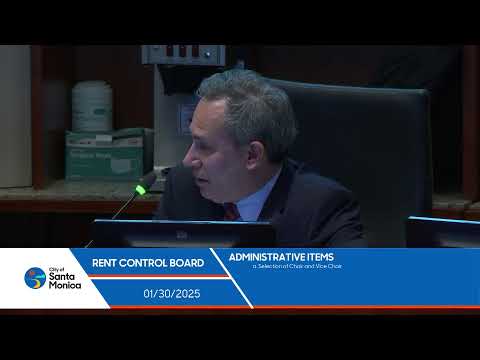
Rent-control board affirms decreases for tenant impacted by ADU construction
Summary
The board unanimously affirmed a hearing officer's decision that awarded rent decreases to a tenant, finding the decreases for loss of parking, patio and other impacts supported by substantial evidence and within regulatory ranges.
The Santa Monica Rent Control Board unanimously affirmed a hearing officer's decision that awarded rent decreases to a tenant who experienced impacts from accessory dwelling unit (ADU) construction on the owner’s property.
Staff summarized the appeal: the owner argued the hearing officer's decision should be reversed because it was issued more than 120 days after filing. Staff explained the 120-day timeline in the board's rules is directory, not jurisdictional, and the appropriate remedy for a delay is a writ to the court to compel issuance; the owner did not file such a writ, so the timeliness objection was moot. Staff also recommended affirming decreases granted for loss of parking, loss of patio, noise impacts and utility shutoffs, saying those reductions were supported by substantial evidence and fell within the ranges set by the board's regulations.
Commissioners questioned staff about practices landlords use to separate parking or other amenities into separate contracts and whether that affects inclusion in the maximum allowable rent (MAR). Staff said prior cases had found that arranging parking through a separate entity or contract does not change that parking is an amenity of the rental property; removing it can entitle a tenant to a rent decrease. Commissioners discussed whether such arrangements could also be addressed as excess-rent overcharge or under consumer-affairs rules, and staff encouraged any board interest in broader policy work to be agendized separately so the record in this case remained focused.
One commissioner noted the appellant's briefing appeared unclear about the relief it sought and acknowledged the appellant recognized its likely remedy would be a petition for writ of mandate. After limited additional discussion, a motion to affirm the hearing officer's decision and adopt the findings of fact and conclusions of law passed by roll call: Commissioners Ambras, Dedeck, Ivanoff, Vice Chair Gonska and Chair Leslie voted yes; the chair announced the motion carried.