Get Full Government Meeting Transcripts, Videos, & Alerts Forever!
Get email alerts on the Immigrant Protections topic
No spam. Unsubscribe anytime.
Hundreds of public comments urge Bethlehem council to adopt 'welcoming city' protections; council says policies under review
Summary
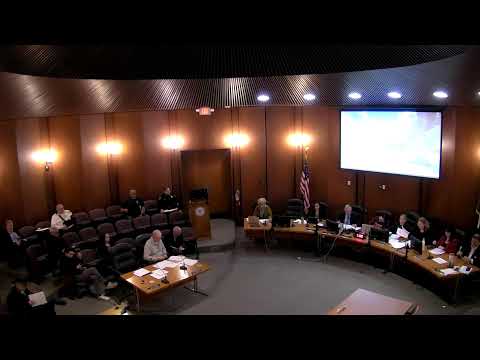
Dozens of residents and students used the council’s public‑comment period Feb. 24 to press Bethlehem officials to draft and adopt a municipal ordinance to codify protections for immigrants and prohibit local cooperation with federal immigration enforcement beyond what law requires.
Dozens of residents and students used the council’s public‑comment period Feb. 24 to press Bethlehem officials to draft and adopt a municipal ordinance to codify protections for immigrants and prohibit local cooperation with federal immigration enforcement beyond what law requires.
Speakers called for policies that would bar city employees from asking about or recording immigration or citizenship status, prohibit voluntary assistance to immigration enforcement and require clear, public‑facing guidance in multiple languages. Many referenced Allentown’s recent ordinance (Bill 4) as a model and asked council to move quickly because of recent, well‑publicized nationwide immigration enforcement actions.
Why it matters: petitioners said codified rules would protect residents — including workers, students and families — from deportation and retaliation, strengthen trust between immigrant communities and city services, and ensure protections survive changes in administration.
Public testimony highlights
Regina Padilla described a family history tied to Bethlehem steel and urged council to “pass a welcoming city bill similar to the one passed in Allentown,” saying it would send a message that the city “welcomes all individuals regardless of their background.” Student and community speakers including Kieran (Lehigh student), Tommy Parisi and others asked council to make the protections permanent rather than leave them to internal policies that future administrations might change.
Several speakers said they or people they know have experienced immigration enforcement encounters in the Lehigh Valley; comments cited recent reports of raids and expressed fear about family separations, workplace raids and school‑site actions. Tommy Parisi, who supported codifying protections, said similar ordinances allow police to continue cooperating with federal law when required by subpoena or court order while preventing voluntary cooperation in other cases.
Administration and council responses
Council members and administration officials said they would continue talking with community groups. Council members asked questions about how existing policies are written and where they are published; Assistant Planning Director Craig Pfeiffer and other staff said portions of policy are in departmental directives and that the police department’s directives are publicly posted on the city website. Chief of Police Jennifer Cott (referenced in a circulated memo) and Mayor William Reynolds also circulated statements before the meeting describing current practices; members of the public said those statements were not sufficient and urged an ordinance.
Legal and operational points raised
Speakers and at least one council member discussed common legal concerns: a municipal ordinance cannot prevent the city from complying with a valid federal or state court order, but supporters said an ordinance could prevent voluntary assistance and create training, reporting and translation requirements. Several public commenters urged the city to adopt third‑party certification or an objective rating, echoing language from other municipal “welcoming city” models.
Next steps and status
Council did not vote on any ordinance at the meeting. City staff and the police chief said they are continuing to review policy, communications and training; several council members said they wanted draft language to consider. Supporters asked council to place a bill on an upcoming agenda; officials said they would continue outreach and return to council with options rather than take immediate action.