Get Full Government Meeting Transcripts, Videos, & Alerts Forever!
Get email alerts on the Strategic Planning topic
No spam. Unsubscribe anytime.
Nordonia Hills City Board reviews draft five‑year strategic plan after focus‑group season
Summary
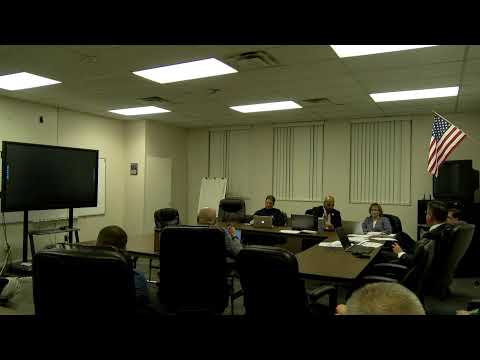
At a Feb. 18 work session, Superintendent Casey presented a draft five‑year strategic plan compiled from 13–14 focus groups and more than 100 stakeholders; the board will give feedback before a final draft returns in March.
Superintendent Casey presented a draft five‑year strategic plan and the focus‑group findings to the Nordonia Hills City Board of Education at a work session on Feb. 18, saying the plan reflects roughly 13–14 focus groups and more than 100 community members who described district strengths, weaknesses and priorities.
The draft organizes the district’s work under a central vision and four concentric strategies the team summarized as Stabilize (financial sustainability), Connect (community and internal communication), Optimize (facilities and resource management) and Achieve (student learning and instruction). Casey said the draft will return to the board for feedback next month and that the administration plans twice‑yearly board updates on progress.
The focus‑group summary that accompanied the presentation emphasized consistent themes: stakeholders across groups praised “kind, caring” staff and cited a broad range of curricular and extracurricular opportunities, including athletics, band, choir and AP courses. At the same time, attendees frequently identified aging facilities — with elementary restrooms and heating/cooling cited — inconsistent expectations across buildings, and concerns about transitions between grade levels as barriers to student success.
Casey described the plan’s structure as vision statements followed by measurable “success indicators,” action steps, assigned leads, timelines and status markers (started, in progress, completed). He said the plan will include five broad objectives and that the administration will provide a printed version and an emailed copy for board review.
Kyle (staff member leading finance objectives) framed the financial objective as both transparency and sustainability, saying the district will expand community financial reporting, consider cash‑balance triggers and pursue revenue diversification through grants and community partnerships. “Fiscal transparency to the board and community is key,” Kyle said, adding it is “not just a buzzword.”
Brian and other committee leads presented section‑level goals: the facilities group recommended a prioritized assessment of essential repairs, a facilities‑utilization study to evaluate consolidation options, and pursuit of grants and incentives for energy and security improvements. The facilities presentation noted that the district’s permanent improvement (PI) fund schedule is nearing an end and that some PI expenditures will shift into the general fund next year.
Instructional priorities discussed included revising curriculum maps, strengthening common formative assessments and restoring consistent intervention teams. Todd and curriculum leads emphasized continuity across grade bands to address pandemic learning gaps and to continue growth for high‑achieving students.
Board members asked about community outreach tactics (for example, coordinating with homeowners associations and the chamber of commerce) and encouraged more printed materials alongside digital communications so residents without school‑age children can stay informed. The superintendent said a communications committee will evaluate digital and print channels and suggested biannual town halls and annual surveys to measure outreach success.
The board will review the administration’s revisions and receive a final draft in March before the administration presents the plan more widely to the community.