Get Full Government Meeting Transcripts, Videos, & Alerts Forever!
Get email alerts on the Elections Language Access topic
No spam. Unsubscribe anytime.
Bill would set Maryland thresholds for multilingual election materials, expand translation duties for local boards
Summary
Delegate Mercure North told the committee HB 983 lowers the state language‑access threshold and requires local election boards to translate registration and voting materials and post language‑assistance signage; the bill also creates a state review and enforcement process.
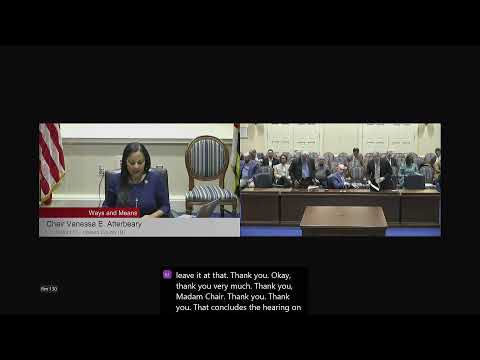
Delegate Mercure North presented House Bill 983 to the Ways and Means Committee on Feb. 18, proposing statutory language to expand and clarify Maryland’s language‑access obligations in elections.
Nut graf: The bill would set a Maryland‑specific threshold (2% or 100 voting‑age citizens, or 4,000 voting‑age citizens in a county) to require translation and would require local boards to provide translated voter registration and election materials, sample ballots, and notices; the State Board of Elections would publish designated languages and handle enforcement functions.
Mercure North said the bill reduces the coverage threshold from the federal standard (5% / 10,000) and would require local boards to ensure translated materials are available “at the same time as the English versions.” The bill also bars reliance solely on automated translation and expects election judges to make “reasonable efforts” to be fluent in required languages. It would require signage at early‑voting centers and precincts informing voters of available language assistance and interpreter services.
The sponsor noted the bill is silent on how costs would be allocated. Committee members and witnesses discussed technical options: Jared Demerinis, State Administrator of Elections, described prior pilots using tablets and live interpreters that counties have tested; he said the State Board would work with local boards and that some counties already finance multilingual materials. Delegate Mercure North said the bill includes an enforcement pathway: the Attorney General could subpoena and conduct fact‑finding to enforce the statute and aggrieved persons or organizations could sue to enforce rights under the bill.
Questions from the committee focused on standing in enforcement language, use of technology such as phone‑based translation, coverage of ballots (the sponsor clarified the bill requires translated sample ballots and notices but does not require translated official ballots), and whether municipalities are covered (the sponsor limited the bill to counties this year because of cost concerns). No formal vote was recorded at the hearing.
Ending: The sponsor asked for a favorable report and said he would work with stakeholders on standing language and cost concerns.
Sources: Committee hearing transcript, Feb. 18, 2025 (presentation by Delegate Mercure North; testimony by Jared Demerinis, State Administrator of Elections).