Get Full Government Meeting Transcripts, Videos, & Alerts Forever!
Get email alerts on the Legislative Sessions topic
No spam. Unsubscribe anytime.
Proposal to move North Dakota to annual legislative sessions advances from GVA; fiscal trade-offs discussed
Summary
House Bill 1408 would shift North Dakota to annual legislative sessions (starting 2027) while retaining an 80‑day biennial limit; GVA reported a due-pass recommendation and the committee discussed short‑term savings followed by ongoing higher costs and process changes for interim work.
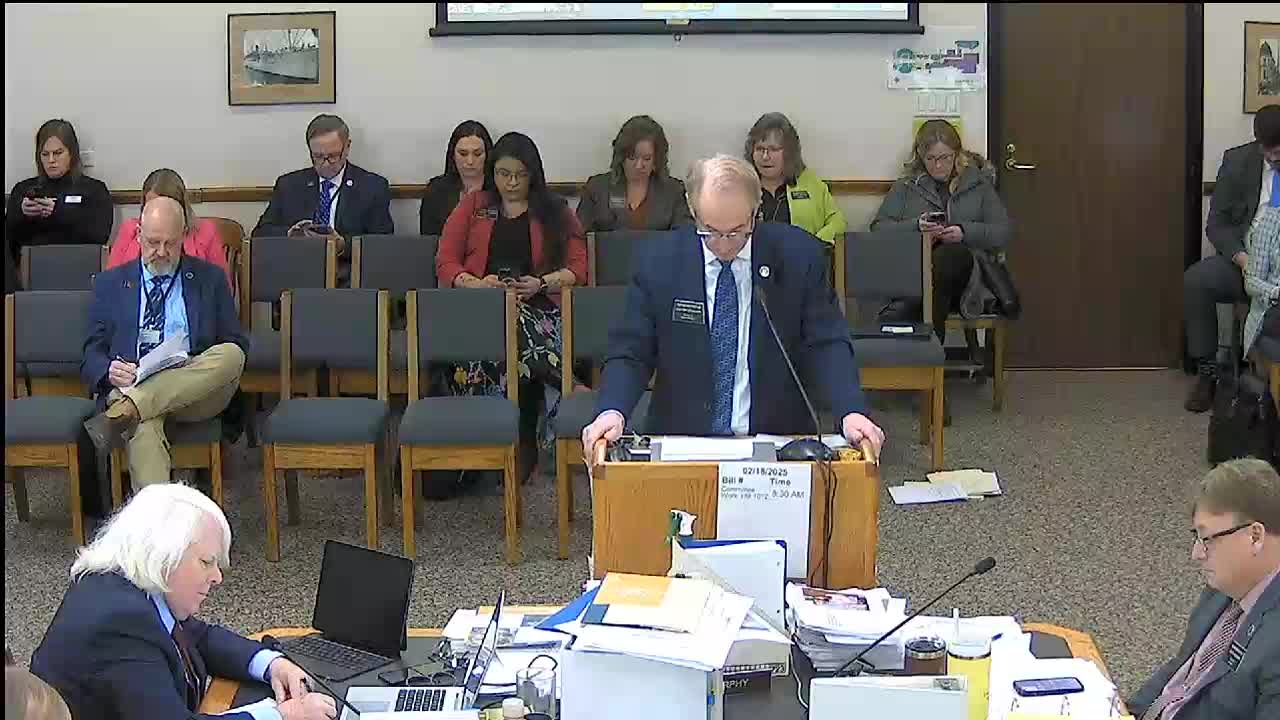
Representative Austin Schauer presented House Bill 1408, which would implement annual legislative sessions beginning in 2027 while retaining an aggregate 80‑day session limit. The bill asks legislative management to determine the detailed structure for annual sessions and interim committee operations. Proponents argued annual sessions improve fiscal and economic responsiveness, help Senators and Representatives gain experience under term limits and provide more flexibility for interim study and public engagement.
Why it matters: Sponsors said annual sessions would allow the legislature to respond more quickly to economic shifts and reduce the rush to pass complex appropriations and policy work in a single biennial session. Critics warned about operational complexity, committee workload and the possibility that annual sessions could incrementally expand government activity despite an unchanged 80‑day cap.
Fiscal and procedural points raised in committee testimony: - The fiscal note shows a short-term reduction (about $3 million in the next biennium due to a shorter session in 2027) and higher ongoing costs beginning in the 2027–29 biennium (an increase cited in testimony of about $2.3 million ongoing). The sponsor summarized the net effect as a one‑time savings followed by ongoing higher legislative costs. - Landon Bail (bill proponent/Grand Forks) testified that interim committees would remain important under annual sessions and that, on balance, the fiscal note is “a wash” because interim work continues and requires resources. - Members discussed alternatives such as conducting interim committee meetings during days when legislators are already in Bismarck (Friday meetings during session) or using standing committees year‑round to vet bills in the interim.
Committee action: The Government and Veterans Affairs committee gave HB 1408 a due pass recommendation by a recorded vote cited in testimony as 12–2. In Appropriations, presenters and committee members discussed fiscal note mechanics and procedural options; no Appropriations recommendation or vote appears in the provided transcript.
Quotations (from transcript): - "HB 14 08 is more than a change in our meeting schedule. It's a strategic step toward more effective governance," Schauer said. - Landon Bail: "Interim committees become more important under annual sessions. So there will be no savings (from interim committee costs)."
Ending note: Committee members agreed the concept raises major structural questions for legislative management, including how appropriations would work in an annual schedule and whether the legislature should adopt other models used in other states. The bill was left for future consideration in committee after discussion.