Get Full Government Meeting Transcripts, Videos, & Alerts Forever!
Get email alerts on the Insulin Affordability topic
No spam. Unsubscribe anytime.
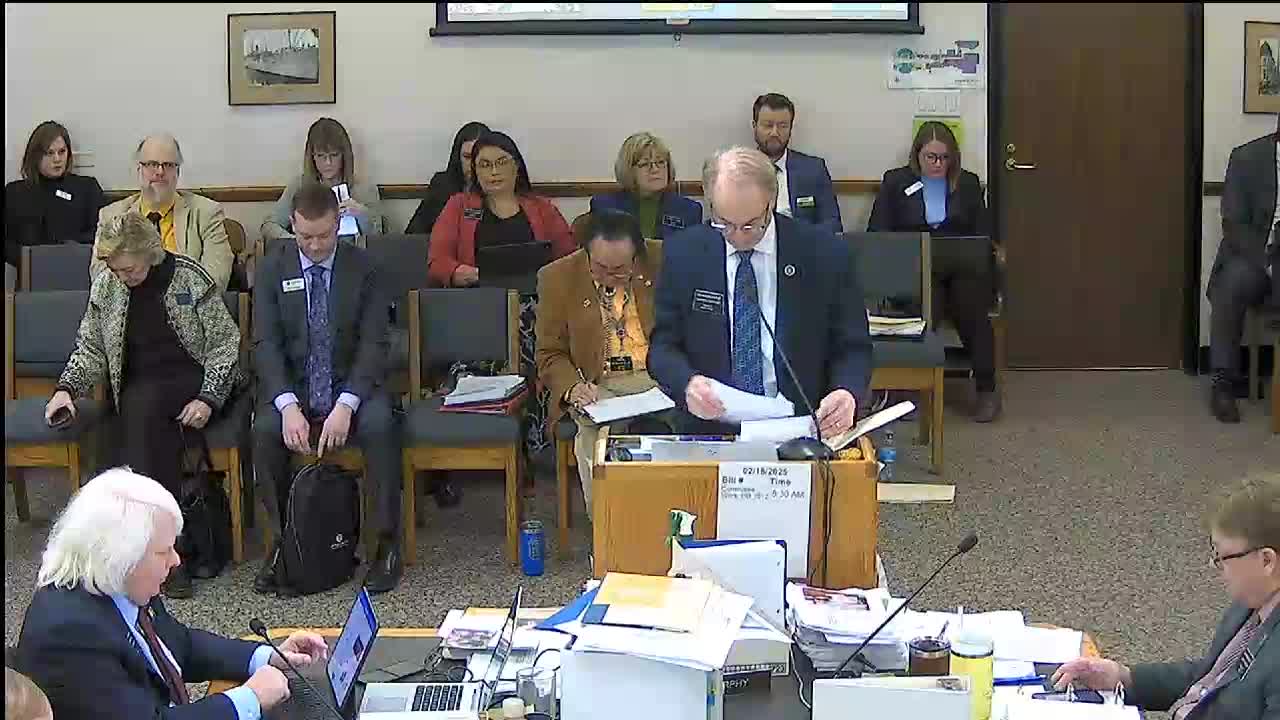
Bill to extend $25 monthly insulin cap moves through committee debate; PERS pilot shows modest premium impact
Summary
Representatives discussed HB 1114, which would extend a $25 monthly cap on insulin and diabetic supplies beyond a PERS pilot. PERS data presented to Appropriations showed a small premium increase and per-member savings during the pilot.
Representative Austin Schauer presented House Bill 1114, described as the legislative follow-up to a PERS pilot program enacted under SB 2140. The bill would require a $25 per month cap on insulin and a $25 per month cap for diabetic supplies for insured members covered by the mandate if enacted into commercial markets. The bill seeks to continue coverage that the PERS pilot put in place and to extend protections — via the statutory mandate process — to fully insured commercial plans.
Why it matters: Testimony cited long-standing affordability issues for insulin and the public-health consequences when patients cannot afford medication. PERS data from the pilot were summarized for the committee and used to estimate near-term fiscal effects on the PERS health plan.
Key testimony and figures: - The PERS pilot set a $25 cap for insulin and $25 for diabetic supplies; committee testimony noted most diabetic supplies for PERS members cost less than $25 a month. - The PERS plan carrier found continuation of the cap would raise premiums by about 0.12 percent for the PERS plan, estimated at $2.07 per contract for the next biennium. The pilot’s actuarial review found the change did not materially increase utilization and average impacted members saved roughly $80 per month compared with the prior year. - Novarest (actuarial consultant) estimated that extending a similar cap to the commercial market could have even smaller premium impacts (example figure cited: 0.05 percent in one scenario). - The sponsor, and PERS staff Derek Holbein (Chief Operating and Financial Officer, PERS), explained that the fiscal note measures next-biennium premium impact only; long-term savings from avoided complications (hospitalizations, amputations, dialysis) were discussed but not quantified in the fiscal note.
Policy issues raised in committee discussion: - Mandate mechanics: Because the PERS pilot was run by PERS, statute requires PERS to bring a mandate recommendation forward to the commercial market; committee members asked why the commercial market needs a statutory mandate rather than voluntary adoption. - Scope of coverage: Committee asked whether the bill’s list of covered medications includes GLP‑1 drugs; Representative Carrie McLeod said the GLP‑1 listed in the bill is an older formulation, not the versions widely used for weight management, and that relatively few members use it now. - Population counts and costs: Committee members sought better counts of the PERS population affected and of insulin-dependent individuals statewide; testimony cited a North Dakota Department of Health number of about 57,000 adults diagnosed with diabetes (source cited in testimony) and an estimate that 5–10 percent of those are type 1 or insulin dependent (one arithmetic estimate in discussion produced roughly 2,850 insulin-dependent individuals but presenters said they did not have complete numbers on hand).
Quotations (from transcript): - "The results of the 2 year program produced a positive recommendation from the North Dakota PERS board ... the cost to continue the coverage in the North Dakota PERS health plan was an increase of 0.12% in premium," said Representative Austin Schauer. - Derek Holbein, PERS CFO: "...when we took a look at the data from the PERS plan, what was nice was that we found that it didn't really change utilization ... the bill essentially did was shift costs from the member to the plan, to the tune of about a million dollars."
Action status: The GVA committee previously gave HB 1114 a due-pass recommendation (13-0). In Appropriations, members asked detailed fiscal and coverage questions; no final Appropriations vote is recorded in the provided transcript.
Ending note: Committee members asked for more precise counts and data; sponsors and PERS staff offered to provide actuarial data and materials (Novarest report) to clarify long-term savings and commercial-market impact.