Get Full Government Meeting Transcripts, Videos, & Alerts Forever!
Get email alerts on the Emergency Medical Services topic
No spam. Unsubscribe anytime.
Castle Rock ambulance service reports high run volumes, staffing upgrades and role in tunnel response
Summary
Castle Rock Hospital District told commissioners its ambulance service saw a December spike, is training staff to fill advanced-life-support positions, plans to add a fourth ambulance during busy hours, and described its response to the Green River Tunnel tragedy.
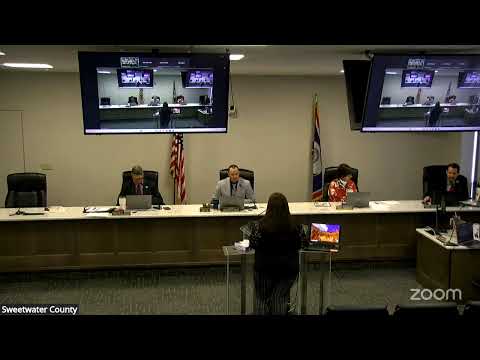
Castle Rock Hospital District officials told the Sweetwater County commissioners on Feb. 18 that ambulance call volume spiked in December and remained high into January, and that the district is hiring, training and planning service changes to reduce overtime and improve coverage.
The district reported 463 calls in December and continued elevated run totals through January. A district representative described staffing challenges for advanced-life-support (ALS) crews, saying one ALS employee recently left but three newly licensed intermediate EMTs completed training and were in their field training; staff expected their availability to improve by March.
Why it matters: The ambulance district’s capacity affects local emergency response and the county’s ability to move patients to higher-level care, including interfacility transfers to Utah and Denver. Commissioners pressed staff on reasons ambulances are sometimes unavailable for those longer transfers and on what the district is doing to ensure coverage.
Key details - Staffing and coverage: District staff said typical reasons an ambulance cannot complete a long transfer are (1) crews already on other transports, (2) hazardous weather or road conditions, and (3) clinical scope limitations (for example, neonatal transports or patients needing drug-assisted intubation require specialized teams or equipment not carried on district ambulances). The district is recruiting and training to reduce overtime and will add a fourth ambulance during peak periods "in the next couple months," pending hiring.
- Interfacility transfer turnaround times: The district estimated round-trip times for ground transfers to Salt Lake/Utah at roughly 6.5–7 hours; to Casper about 8–8.5 hours. Those long turnaround times reduce local coverage during the transfer window.
- Financials: The district reported a small net operating income through Dec. 31, with county support year-to-date of about $753,000. If current trends persist, staff estimated an operating loss for the full fiscal year of about $1.4 million — below the contract’s maximum subsidized loss. Dispatch/911 revenue and increased transfer volume were cited as positive drivers.
- Facility plan: The district is designing a new ambulance facility on Gateway Boulevard, with Big D Construction selected as general contractor. Planned features include six sleeping rooms, an office, training space, and improved accommodations for staff who work 24/7. District staff said more detailed design, final cost and construction timing would be available at the next quarterly update.
- Tunnel response: District staff described the emergency response during the Green River Tunnel tragedy. They said crews assessed 18 patients on scene, transported 14, had two fatalities on scene, and worked closely with Rock Springs Fire Department to staff five ambulances during the incident. The district said most transported patients suffered smoke inhalation and that hospital coordination and mutual aid allowed rapid patient flow to the emergency department.
What commissioners asked: Commissioners requested greater geographic breakdowns in future run reports (municipal vs. non-municipal), and asked staff to follow up with specific records when constituents report failed transports so the district can review and improve procedures.
Ending: District leaders said they would continue recruiting ALS-capable staff, pursue the fourth ambulance for peak hours, and return to the commissioners with more granular call-location reporting at the next quarterly meeting.