Get Full Government Meeting Transcripts, Videos, & Alerts Forever!
Get email alerts on the Property Insurance topic
No spam. Unsubscribe anytime.
Contractors, insurers and builders spar over proposed limits on assignment‑of‑benefits and contractor practices
Summary
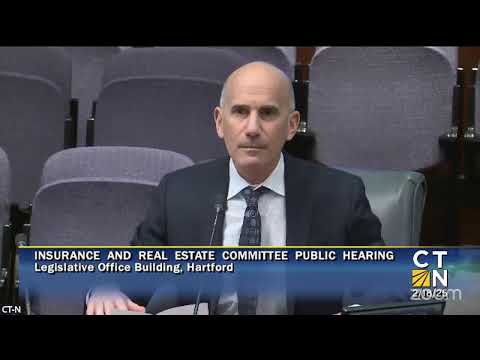
Lawmakers and witnesses debated proposed limits on assignment‑of‑benefits practices and contractor conduct in property insurance claims, with insurers pressing for stronger consumer protections and contractors warning that some measures would impede timely repairs.
Legislators and witnesses spent part of the committee hearing on proposed changes to property‑insurance claims and assignment‑of‑benefits practices, an issue state officials and insurers say has driven up homeowners’ premiums.
The proposed bill would restrict certain contractor practices around insurance assignments, require clearer disclosures to homeowners and create penalties for unlicensed or abusive behavior that seeks to exploit assignment of benefits (AOB) contracts.
Why it matters: Testimony described a market in which some restoration and roofing contractors use assignment contracts and aggressive litigation to extract larger payments from insurers, leading to higher costs for insurers and, witnesses said, higher homeowner premiums. Supporters of the bill said it protects consumers and stabilizes the market; opponents said overly broad rules would reduce options for homeowners and hamper prompt post‑disaster repairs.
What supporters said: Brooke Foley of the Insurance Association of Connecticut urged passage, saying: "Under an assignment of benefits contract, a homeowner unknowingly signs away their authority to file an insurance claim, make repair decisions, and collect payments to a contractor." Foley and insurance industry witnesses warned that some contractors promise free repairs or to waive deductibles and then submit inflated claims, pursue lawsuits and place liens against homeowner properties.
Jim Paris, representing the Home Builders and Remodelers Association of Connecticut, told the committee the industry supports enforcement against bad actors but opposed specific limits in the bill. Paris said section 1 would discourage registered, legitimate remodelers from taking emergency work and argued that prohibiting contractor participation in claims or severely restricting early payments could slow repairs and push homeowners into the unregulated cash market.
Opponents and concerns from contractors: Christopher Sauters, founder of Rising Star Roofing, testified that assignment contracts are a valuable tool that allow contractors to evaluate damage and advocate for complete repairs. He said that, as written, HB 6,967 would place untenable restrictions on project financing and on contractors’ ability to help homeowners navigate claims. Other contractors testified that limits on early payments and new disclosure requirements would make it harder for small businesses to operate and could lengthen waits for emergency repairs.
Insurer perspective and public safety: Insurance witnesses stressed consumer complaints and voluminous litigation tied to a small number of contractors. Brooke Foley cited the public court dockets as evidence and said insurers bear significant defense costs when contractors pursue high‑value claims and lawsuits.
A path forward: Several witnesses — including Jim Paris and Brooke Foley — told lawmakers they were willing to work on revised language. Paris urged stronger enforcement of existing contractor licensing rules and more homeowner education rather than broad prohibitions that could cut off legitimate options.
Ending
Committee members signaled they would refine the bill language and consult with trade groups, insurers and consumer advocates. No formal action was taken at the hearing.