Get Full Government Meeting Transcripts, Videos, & Alerts Forever!
Get email alerts on the Dbpr Data topic
No spam. Unsubscribe anytime.
DBPR says SIRS database is live but incomplete; agency lacks strong enforcement power
Summary
DBPR told a House subcommittee its Structural Integrity Reserve Study (SIRS) reporting website is available but relies on voluntary, self‑reported submissions; as of Feb. 10 the department had 4,096 SIRS submissions, DBPR called the additional fields voluntary and said statutory changes would help enforcement and data quality.
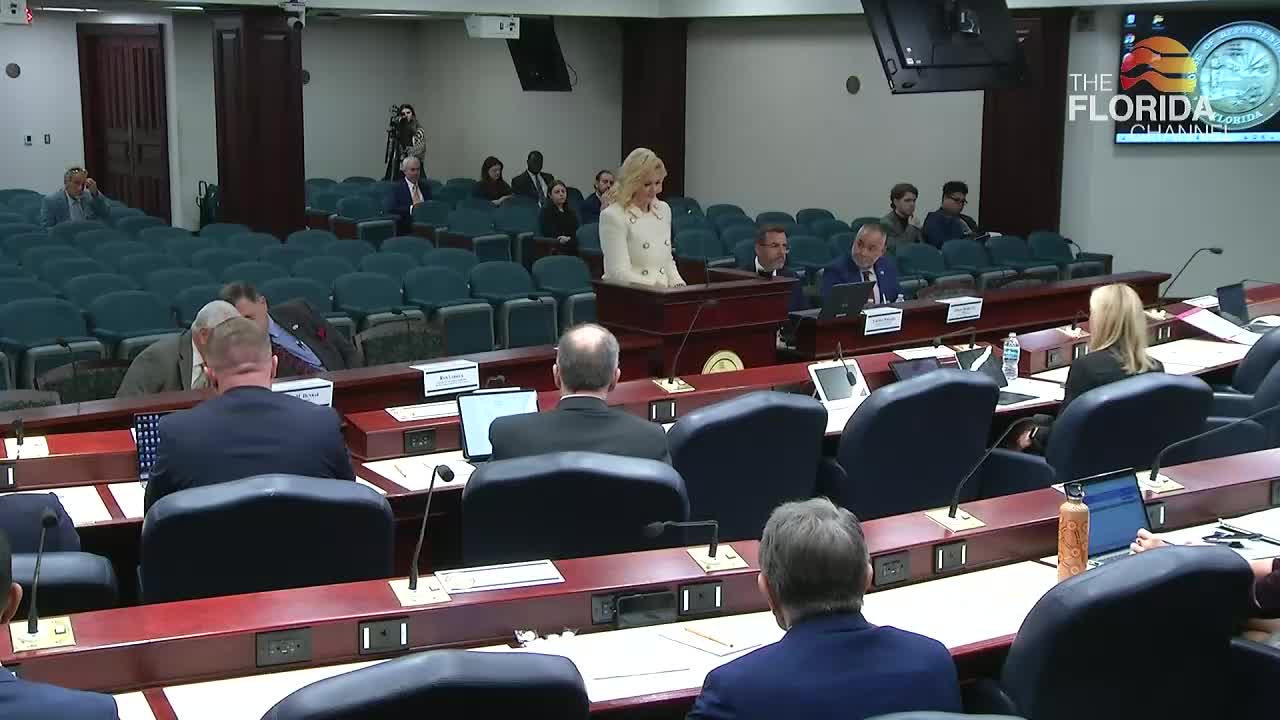
The Florida Department of Business and Professional Regulation told a House subcommittee Jan. 23 that it has built the SIRS reporting database required by last year’s legislation but that the data are incomplete and self‑reported.
Secretary Melanie Griffin said DBPR’s Division of Condominiums, Timeshares, and Mobile Homes (CTMH) recorded roughly 27,750 condominium associations in its outreach work and that associations were given a compliance deadline to report whether a Structural Integrity Reserve Study was completed. “To date, 11,270 of Florida's 27,750 condominiums, or roughly 41%, have self reported buildings 3 stories or higher,” Griffin said, and added that the agency’s follow‑up increased SIRS submissions from 2,875 at the Dec. 31 statutory date to 4,096 by Feb. 10.
Griffin cautioned lawmakers the additional SIRS fields on cost, professional type and timing were voluntary and contained outliers, noting one submission reported a $480,000,000 cost and another 6¢. For that reason DBPR used median cost for analysis; the median self‑reported cost to complete a SIRS was $6,000, the secretary said. DBPR also reported about 17.8% of submissions did not answer the cost question.
The department said it has increased outreach — “DBPR increased its outreach to Florida's condominium community by more than 60%, reaching more than 16,000 constituents through educational events alone,” Griffin said — and that it is still attempting to contact the remaining associations. However, she said the agency does not currently have administrative authority under SB 4‑D and subsequent bills to compel associations to file the SIRS documents nor to pursue administrative penalties for non‑reporting; outreach and education have been the primary tools.
DBPR asked lawmakers for statutory clarifications to improve contact information collection and to grant clearer authority for the department to pursue non‑compliant associations. The agency also flagged that the database contains only whether a SIRS was completed, not a copy of the study or standardized technical fields that would allow state‑level trend analysis.
Why it matters: incomplete and voluntary reporting limits legislators’ ability to assess statewide repair needs and to design financing or insurance policy options. Several committee members and panelists recommended statutory changes to require more consistent reporting, improve the central database and clarify DBPR’s enforcement authority.