Get Full Government Meeting Transcripts, Videos, & Alerts Forever!
Get email alerts on the Condominium Regulation topic
No spam. Unsubscribe anytime.
Florida subcommittee hears experts on condominium safety, inspections and funding
Summary
A Florida House subcommittee convened Jan. 23 to hear technical and industry testimony on recent condo-law changes, structural integrity reserve studies (SIRS), milestone inspections, insurance and contractor capacity; panelists highlighted data gaps, uneven local rules and strain on owners facing assessments and rising insurance.
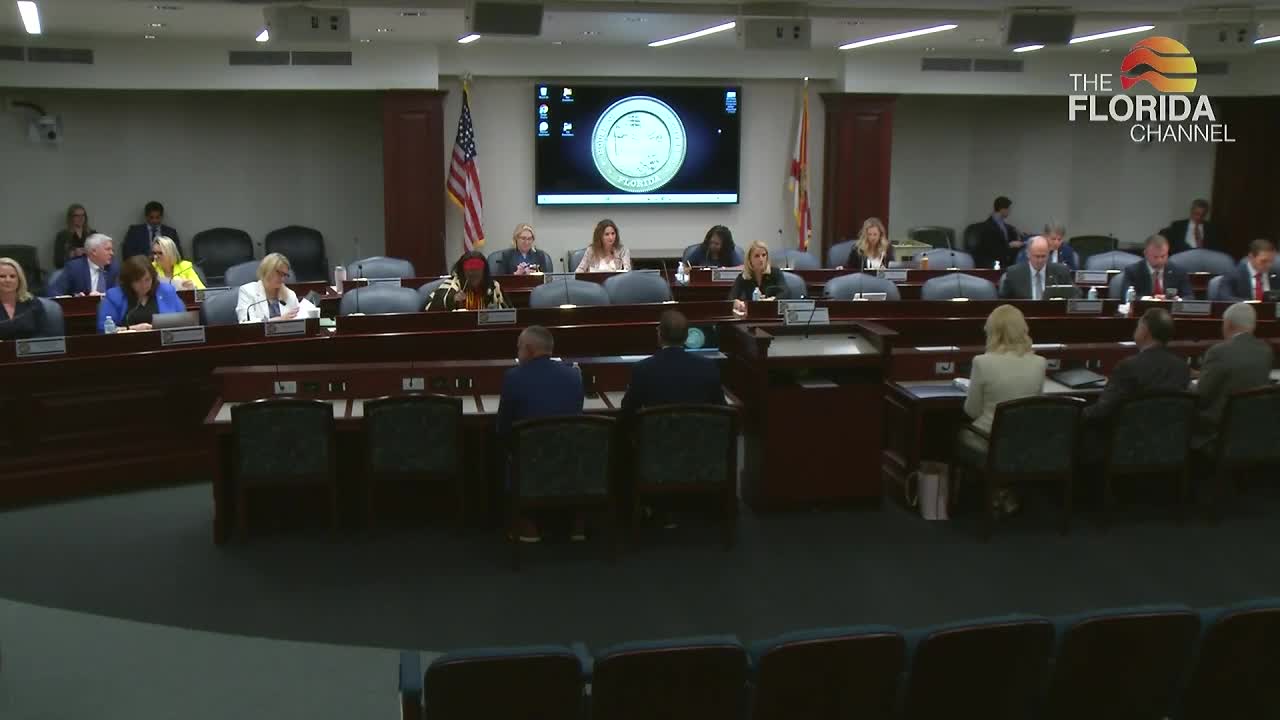
A Florida House subcommittee met Jan. 23 to hear five expert panelists on recent changes to condominium law and forthcoming bills aimed at improving building safety, inspections and funding for repairs.
The session, called to order by Chair Joe Salzman, drew testimony from lawyers, building officials, engineers, the Department of Business and Professional Regulation (DBPR) and contractors about how the state’s post‑Surfside reforms are working in practice. Chair Salzman opened the hearing by saying, “This afternoon, we're gonna focus on condominiums, recent changes in laws that protect people who live in condominiums, and opportunities to further refine those laws.”
Why it matters: witnesses said life‑safety mandates and reserve requirements adopted since the Surfside collapse have placed new planning and cost burdens on associations and owners while exposing gaps in enforcement and data. DBPR Secretary Melanie Griffin told the panel the department had built a public database to collect SIRS submissions but stressed the information is self‑reported and incomplete.
Panel takeaways included: experts urging statutory fixes to let boards levy special assessments or borrow quickly for safety work; calls for clearer, uniform inspection standards; concerns about insurance market responses and financing options for large repairs; and warnings that contractor capacity and recordkeeping are inadequate to meet near‑term demand. Pete Dunbar, a senior attorney with Jones Walker, recommended changes so “the Board of Directors should be able to carry out the fiduciary duty, that you've assigned to them,” when immediate repairs are required.
Panelists described two distinct but related inspection processes. Civil engineer witnesses explained that SIRS are financial planning tools evaluating eight specific structural elements, while milestone (recertification) inspections—performed by licensed engineers or architects—assess structural and enclosure deterioration. Walter P. Moore senior project manager Nogueira explained the relationship: a milestone inspection informs the SIRS, which then produces funding plans.
Several panelists urged statewide uniformity. The building‑officials representative and engineers said differing local recertification intervals and rules create confusion for owners, inspectors and contractors. DBPR noted it lacks administrative authority to compel associations to submit required SIRS data, limiting enforcement to outreach and education.
Industry witnesses described a likely near‑term spike in work and costs. Contractor Emilio Rodriguez said some projects have produced per‑unit assessments exceeding $100,000 and warned of a shortage of qualified firms and trades capable of correct concrete restoration. Rodriguez urged training or certifications for firms doing specialized restoration to reduce rework and liability.
The panel also discussed oversight of private providers used for inspections and construction oversight. Building officials recommended registering private providers with DBPR to allow better tracking and discipline; one panelist called private‑provider conflicts of interest “an important question” that “isn't clear.”
The subcommittee did not vote on any bill during the hearing. Representative Lopez moved to adjourn at the close of question‑and‑answer and the motion passed.
Members said they expected legislation from Representative Lopez in the coming weeks that will incorporate many of the topics raised at the hearing.