Get Full Government Meeting Transcripts, Videos, & Alerts Forever!
Get email alerts on the Autism Workforce Credentials topic
No spam. Unsubscribe anytime.
Committee approves bill to create workforce credentials and reporting for students with autism
Summary
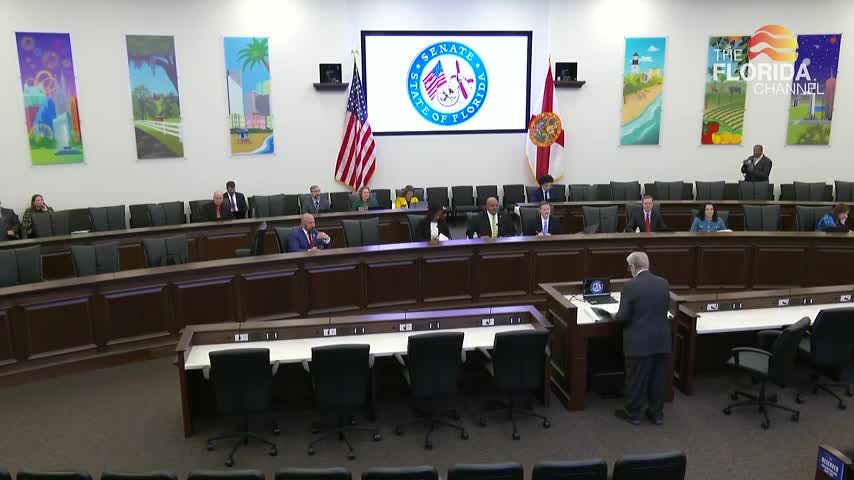
The Committee on Education Pre-K - 12 reported favorably CS for SB 102, a measure by Senator Gates requiring the Department of Education to develop workforce credentials (badges) and reporting on post-graduation employment for students with autism and allowing pre-diagnosis students on modified curricula to participate.
The Senate Committee on Education Pre-K - 12 reported favorably CS for SB 102, sponsored by Senator Gates, a bill that requires the Department of Education to develop workforce credentials for students with autism, permits certain pre-diagnosis students on a modified curriculum to participate, and mandates reporting on badges, post‑graduation employment and outcomes.
Senator Travis Gates, sponsor of the bill, told the committee that the legislation aims to bridge the gap between school and employment for students on the autism spectrum and to create credentials that signal specific job skills and workplace safety behaviors to employers. “The program will allow students to earn badges that designate these students have acquired specific job skills and specific behaviors that meet employers’ needs and importantly the need for workplace safety,” Gates said.
The bill requires the Department of Education to develop the credential program, to report on credentials earned and to report on post‑graduation employment and related outcomes. An adopted amendment (barcode 972,894) allows students who are on a modified curriculum prior to formal diagnosis to take part in the training and requires the Department to work with the Florida Center for Students with Unique Abilities and with the U.S. Occupational Safety and Health Administration in developing the program.
Committee testimony included Amy Wetherbee, director of the Florida State University Autism Institute and executive director of FSU CARD, who urged the committee to consider the bill as an early step toward improved employment outcomes for adults with autism. “One of the most important things in the life of a person with autism is to get a job,” Wetherbee said, and she cited research showing low competitive employment rates for adults with autism and higher long‑term costs when employment does not occur.
Senator Davis asked for clarification about what constitutes a “modified curriculum” prior to formal diagnosis; Senator Gates explained that it refers to curriculum adjustments and individualized education plan elements used by educators during the lag between referral and diagnosis to provide supports tailored to a student’s needs.
By roll call, the committee reported CS for SB 102 favorably. The bill includes reporting requirements intended to measure badge attainment and post‑school employment outcomes and directs the Department of Education to consult with specified partners when developing the credential program.
The committee’s favorable report moves the bill to further review, including fiscal analysis.