Get Full Government Meeting Transcripts, Videos, & Alerts Forever!
Get email alerts on the State Agency Audits topic
No spam. Unsubscribe anytime.
State audits flag weak IT controls, contract and inventory problems at several agencies including PRIDE and Citizens
Summary
The Deputy Auditor General told legislators that recent operational and single‑audit work found pervasive IT access problems, gaps in contracting and inventory controls at PRIDE, questioned foster‑care payments and large questioned costs in the state single audit.
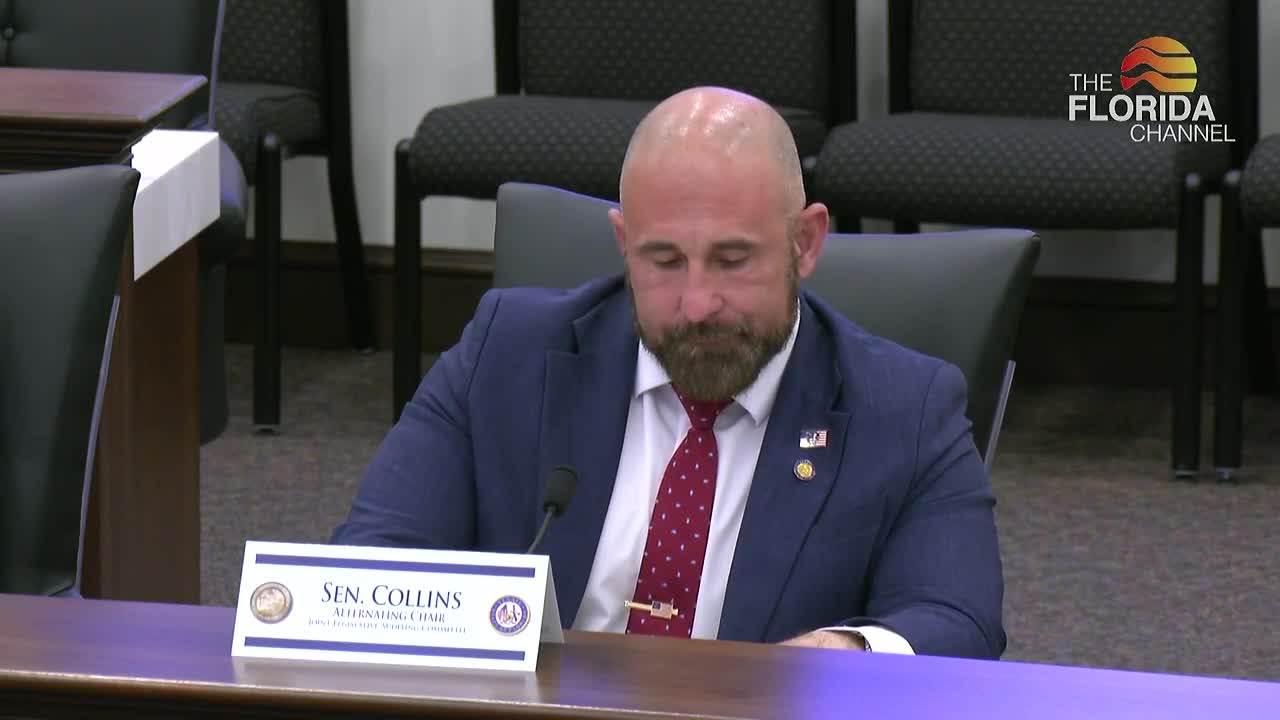
The Deputy Auditor General reported to the Joint Legislative Auditing Committee on operational audits of state agencies and the statewide single audit, describing repeated weaknesses in information‑technology access controls, contract oversight, inventory accountability and program eligibility documentation.
Matthew Tracy, Deputy Auditor General responsible for state government audits, said the State Government Audit Division issued 18 operational reports with 93 findings and 10 financial audits during the period covered, and that the single audit for the fiscal year ended June 30, 2023, included 65 findings and more than $4.6 million in known questioned costs.
Tracy highlighted pervasive IT control deficiencies — for example, agencies failing to timely remove system access when no longer required, inadequate protections on mobile devices and insufficient text‑message retention controls — and said the division has redirected resources to IT audit work on mission‑critical systems such as the State’s accounting system (FLAIR) and the Integrated Retirement Information System (IRIS).
He described operational findings at multiple agencies. At the Department of Military Affairs auditors found inadequate documentation showing that hard drives on several IT devices were sanitized before disposal. At Prison Rehabilitative Industries and Diversified Enterprises (PRIDE), auditors reported systemic inventory control failures for a reported $17.4 million in inventory, a roughly $600,000 unexplained write‑down in paint inventory, material discrepancies between counted and recorded inventory at sampled correctional facilities and insufficient documentation for large contract selections and payments. Tracy said PRIDE records did not evidence competitive selection for 23 vendors with payments totaling about $6.3 million and that the entity made excess payments to one vendor of roughly $450,000; auditors also questioned nearly $855,000 in consulting, lobbying and legal expenses.
Tracy said the auditors found financial‑management weaknesses at other agencies, including cash‑handling and controls in a Jacksonville Lottery district office, and that Citizens Property Insurance Corporation’s authorized premiums for calendar years 2021–22 were about $2.8 billion less than actuarially indicated amounts that factor in the cost of reinsurance for a 1‑in‑100‑year storm. He recommended Citizens work with the Legislature to address how reinsurance costs should be factored into rate‑setting as required by statute.
On program and federal award issues, Tracy said the single audit identified improper or unsupported payments in several programs. He cited an unemployment‑insurance test at the Department of Commerce with a known questioned cost of roughly $11,000 and foster‑care payment tests at the Department of Health with about $73,000 in known questioned costs; he warned that federal grantors may disallow unsupported expenditures and seek reimbursement.
Tracy also discussed the Office of Public and Professional Guardians and said auditors found inadequate monitoring of private professional guardians and that the department’s online guardian profiles did not include complete information on substantiated complaints and disciplinary actions as state law intends. The Commission on Offender Review was also cited for gaps in records and processes used to identify and notify victims entitled to participate in parole‑related procedures.
Committee members pressed for copies of the reports and for follow‑up on corrective actions. Tracy said the division posts reports online, conducts risk assessments and returns to agencies as needed to determine whether corrective actions were implemented. He said funding pressures, staffing shortages in accounting and auditing nationwide, and changes in accounting standards complicate but do not excuse the findings.
Senators and representatives on the committee described the audit results as alarming and said the Legislature should consider statutory or budgetary tools to strengthen oversight, require better inventory and contract controls and help agencies modernize IT and financial systems.