Get Full Government Meeting Transcripts, Videos, & Alerts Forever!
Get email alerts on the Mental Health topic
No spam. Unsubscribe anytime.
Committee advances bill expanding step‑therapy exceptions for severe mental illness, including perinatal conditions
Summary
SB 264 would widen exceptions to step‑therapy (fail‑first) protocols under Medicaid for people with severe mental illness, adding pregnancy‑related and postpartum psychiatric disorders and other specified conditions; sponsor and advocates said the change addresses clinical harms from delays in effective medication.
Vice Chair Harrell presented Senate Bill 264 to the Senate Committee on Health Policy, framing the legislation as targeted relief from step‑therapy requirements for people with severe mental illness. Harrell said the bill expands an earlier exception and “includes pregnancy related and postpartum mental health depression and crises.”
Harrell told senators the bill narrows the situation where a provider must require a patient to “fail” on a preferred drug list medication before receiving another drug the clinician prescribes. He said the bill expands the exemption passed in 2022 (SB 534) that was limited to schizophrenia and related disorders to cover a broader set of severe mental illnesses, including bipolar disorders, major depressive disorder, obsessive‑compulsive disorder and childhood/adolescent depressive disorders.
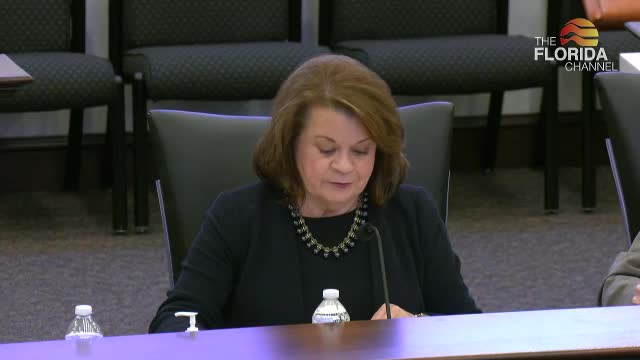
Carolee McClain, executive director of the National Alliance on Mental Illness (NAMI) Florida, described the human impact of delayed access, saying that for people with severe depression “the worst can be the loss of a job, the loss of a home, damage to the physical health as well as to emotional health. And in the worst cases ... danger to self or others, loss of life to suicide.” Tom Griffin, representing Otsuka Pharmaceuticals, presented company‑prepared analysis comparing states with open access policies (Michigan) and those with utilization management; the representative said unpublished comparative analysis suggests open access can reduce hospital utilization and overall per‑enrollee costs in certain populations.
Supporters including NAMI, AARP, the Florida Psychiatric Society and the Florida Medical Association waived in support. After sponsor closing remarks emphasizing the bill’s clinical rationale and fiscal considerations, the committee reported SB 264 favorably by roll call; the transcript records, “By your vote, Senate Bill 264 is reported favorably.” The committee transcript did not include a consolidated numeric vote tally in the excerpt.