Get Full Government Meeting Transcripts, Videos, & Alerts Forever!
Get email alerts on the Medical Debt topic
No spam. Unsubscribe anytime.
Committee approves patient‑protections package limiting aggressive medical debt collection
Summary
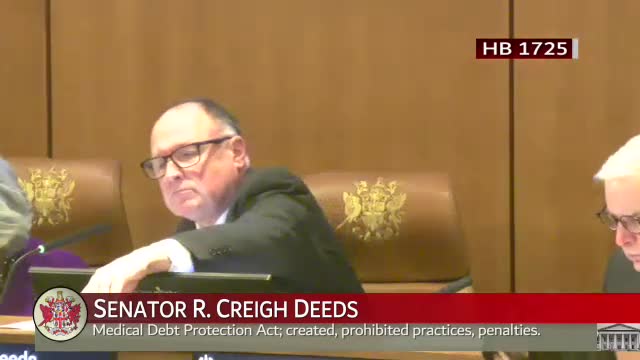
A compromise substitute to HB 17‑25 won committee approval on a 13‑2 vote. The substitute caps interest and late fees, restricts certain collection actions and requires notices and a delay before extraordinary collection actions for patients eligible for financial assistance.
A bipartisan substitute addressing medical‑debt collections passed the committee after months of stakeholder negotiations, according to the sponsor.
Delegate Delaney, sponsor of House Bill 17‑25, said the substitute aims to protect patients who incur medical debt because of illness or injury while still allowing providers and creditors to collect balances owed. “We wanted to put safeguards in place to ensure people aren’t treated in a predatory fashion when they fall into medical debt,” Delaney said.
Key provisions adopted in the substitute include a limit on interest and late fees (capped at 3 percent), a 90‑day grace period before certain charges apply, and a prohibition on a list of “extraordinary collection actions” (drawn from IRS practice) — including arrest, body attachment, sale or foreclosure of a primary residence and certain liens — when a patient qualifies for financial assistance. The substitute also requires a 30‑day notice before an extraordinary collection action and generally prohibits such actions until at least 120 days after the first bill.
Stakeholders reached a compromise the sponsor described as “balanced”: patient‑advocacy groups including the Virginia Poverty Law Center, the Leukemia & Lymphoma Society and the American Cancer Society supported the bill as amended, and hospital and provider groups, after negotiations, indicated they would accept the substitute. Ben Trainham of the Virginia Creditors Bar Association said his members had remaining concerns about limits on garnishment and certain remedies but acknowledged the group had participated in the stakeholder process.
Brent Rawlings of the Virginia Hospital & Healthcare Association told the committee his members had moved from opposition to acceptance after the substitute changes. Patient advocates said the measures would prevent immediate, extraordinary collection actions that can destabilize households while preserving rights for reasonable collection of debts.
The committee voted to report the substitute with a roll call of 13 in favor and 2 opposed.