Get Full Government Meeting Transcripts, Videos, & Alerts Forever!
Get email alerts on the State Lands topic
No spam. Unsubscribe anytime.
Committee backs notice, zoning and disclosure changes for state endowment commercial leases
Summary
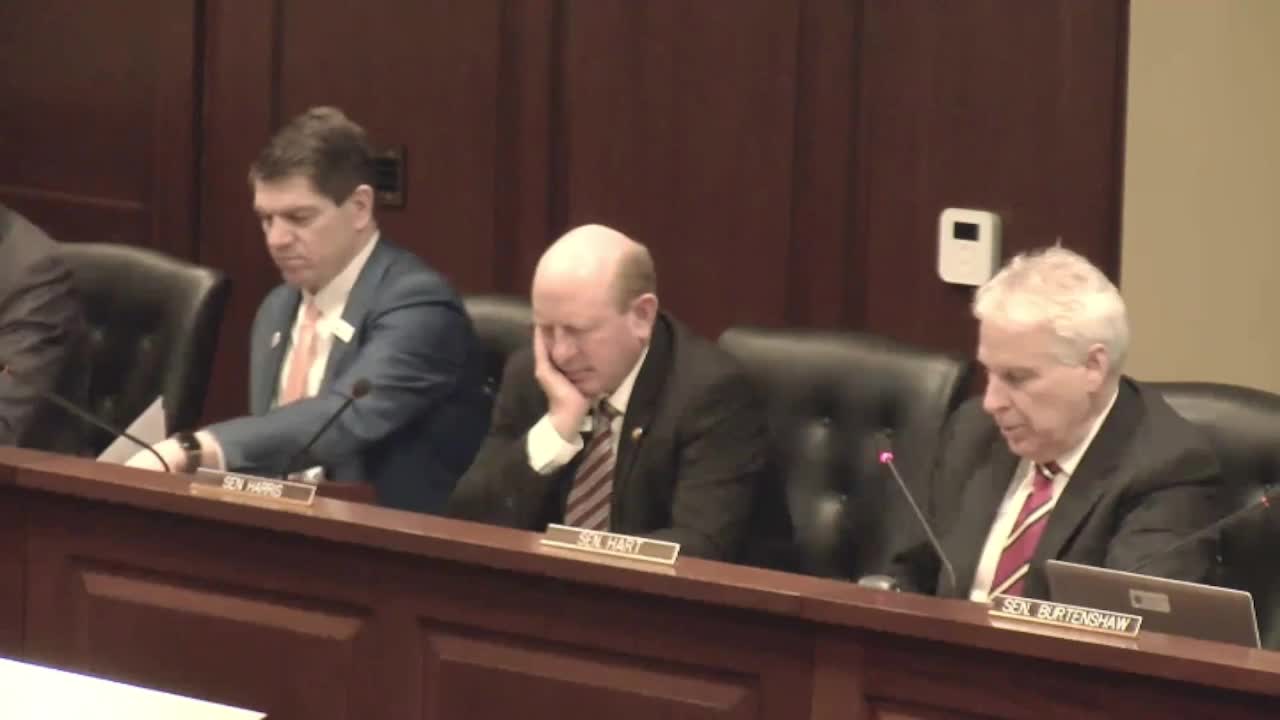
Senate Resources & Environment Committee voted to advance Senate Bill 1062, proposing notice, zoning and disclosure requirements for commercial uses of state endowment lands.
Senate Resources & Environment Committee voted to advance Senate Bill 1062 after testimony from county and conservation representatives who said the bill would give local officials more notice and leverage when commercial enterprises operate on state endowment lands.
Senator Burton Shaw, the bill sponsor, told the committee the measure aims to ease burdens that counties face when commercial operators on endowment lands install wastewater systems, roads and other infrastructure without local oversight. "This bill is just tries to do 3 things," he said: notify county commissioners, require compliance with county planning and zoning for commercial uses, and make revenues from commercial agreements subject to public disclosure.
Jonathan Oppenheimer, government relations director for the Idaho Conservation League, testified in support and urged the committee to preserve both the endowment’s fiduciary duty and local planning consistency. "I am pleased to be standing before you, in strong support of Senate Bill 10 62," Oppenheimer said, and he highlighted statutory language that already ties some state-endowment commercial uses to local planning processes.
Why it matters: Proponents said counties currently face infrastructure and enforcement burdens when commercial operations on endowment land locate in their jurisdictions without adequate notice. The bill would give counties an earlier chance to prepare for or raise concerns about commercial uses, and require permit-holders to follow local planning regulations.
Questions and concerns Some senators said the bill could create tensions between state fiduciary obligations to endowment beneficiaries and county authority. Senator Cole said the measure may subordinate state authority to counties and signaled he may oppose the bill on the Senate floor.
Next steps A motion to send the bill to the Senate floor with a do-pass recommendation carried on a voice vote. Several committee members said they would reserve final judgment on floor votes and pursue follow-up discussions with the sponsor.