Get Full Government Meeting Transcripts, Videos, & Alerts Forever!
Get email alerts on the Emergency Communications topic
No spam. Unsubscribe anytime.
Sheriffs tell Senate committee Idahos 911 system rests on aging infrastructure; legislators weigh fee changes for NextGen upgrade
Summary
County sheriffs and the Idaho Association of Counties told the Senate Judiciary & Rules Committee that the state's 911 system relies on decades-old analog trunks and that failures are already endangering response. They outlined estimated costs and proposed raising the per-line fee to fund a Next Generation 911 migration.
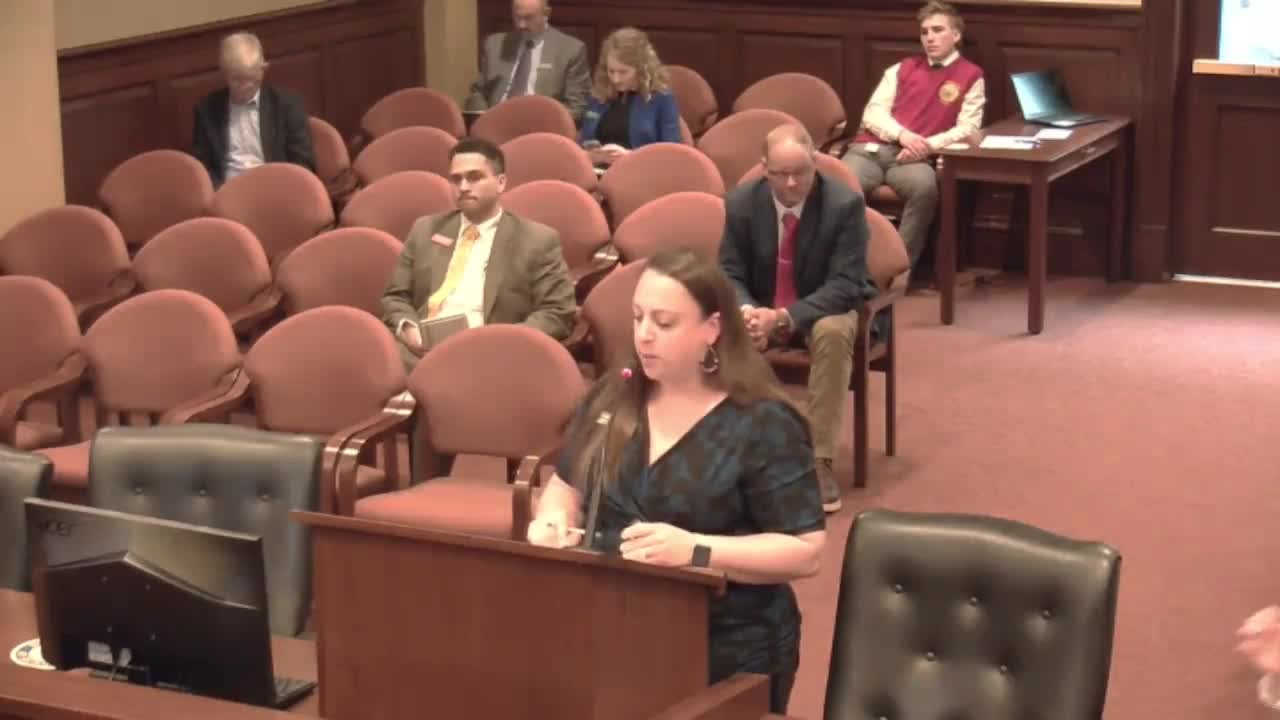
Kelly Brasfield, policy advisor with the Idaho Association of Counties, told the Senate Judiciary & Rules Committee that county dispatch centers and the state must work together to replace legacy 911 infrastructure and move toward Next Generation 911 (NG9-1-1).
The issue matters because the committee heard multiple on-the-record accounts of calls failing to carry location data, trunks going down and calls being routed out of state, which can delay emergency response.
Brasfield said counties have operated with a $1 911 fee set in 1988 and a separate grant fee; two populous counties (Ada and Bonneville) were not participating in the grant program, reducing available funding. Sheriffs from across Idaho described specific failures and urged action.
Payette County Sheriff Andy Creech and Bonneville County Sheriff Sam Holst described recent breakdowns. Creech said a January incident in Valley County involved a parent who called 911 repeatedly while a baby was having breathing trouble; location data was not attached to the call and responders had to rely on a third-party service (RapidSOS) to find the caller. Creech also recounted a planned switch update in August 2024 that left a regional trunk down for nine minutes and prevented 911 calls from reaching PSAPs serving 10 counties during that interval.
Sheriff Sam Holst said some rural counties operate with only two trunks; when one fails, only a single line remains available. He described calls sometimes being routed to Montana and stripped of location information when transferred back.
Speakers said the existing system uses legacy "trunks" (centralized analog links) and selective routers designed decades ago for landlines, not the current predominance of cell phones and VoIP devices. They called for migration to I3-compliant NG9-1-1 core services that support location-based routing and richer data for dispatchers.
Cost estimates discussed during the presentation ranged from roughly $14 million annually (phone/core services only) to about $22 million a year when radio infrastructure needs are included. Committee witnesses described work already under way to develop GIS addressing data and to build network connections; they also outlined a possible state revenue path: raising the existing 25-cent grant fee to about 65 cents per line (a 40-cent increase) to fund the NG9-1-1 rollout, with a larger increase (to $1 per line) identified as able to cover both phone and radio systems.
Committee members asked about procurement and vendor compatibility; witnesses said multiple vendors can supply I3-compliant services and that interoperability depends on adherence to I3 standards. Witnesses said NG9-1-1 is largely delivered as an annual, cloud-based service rather than a one-time capital purchase, and that a significant portion of funds would go to GIS data work and network connectivity.
The Idaho Association of Counties and the Idaho Sheriffs Association said they will pursue legislation and requested a JLOC study; they noted House Bill 211 is a placeholder to streamline transactions and keep the issue visible this session. Speakers urged the committee not to delay: they described the current trunks and copper infrastructure as "dying" and said failures are already occurring.
The committee took no formal vote on policy during the presentation but recorded that stakeholders are working on draft legislation and a possible funding mechanism.
Ending: Committee members thanked the sheriffs and association staff; the presenters asked for a JLOC study and said more legislation will be proposed next session to fund and manage the NG9-1-1 transition.