Get Full Government Meeting Transcripts, Videos, & Alerts Forever!
Get email alerts on the Public Health Drug Policy topic
No spam. Unsubscribe anytime.
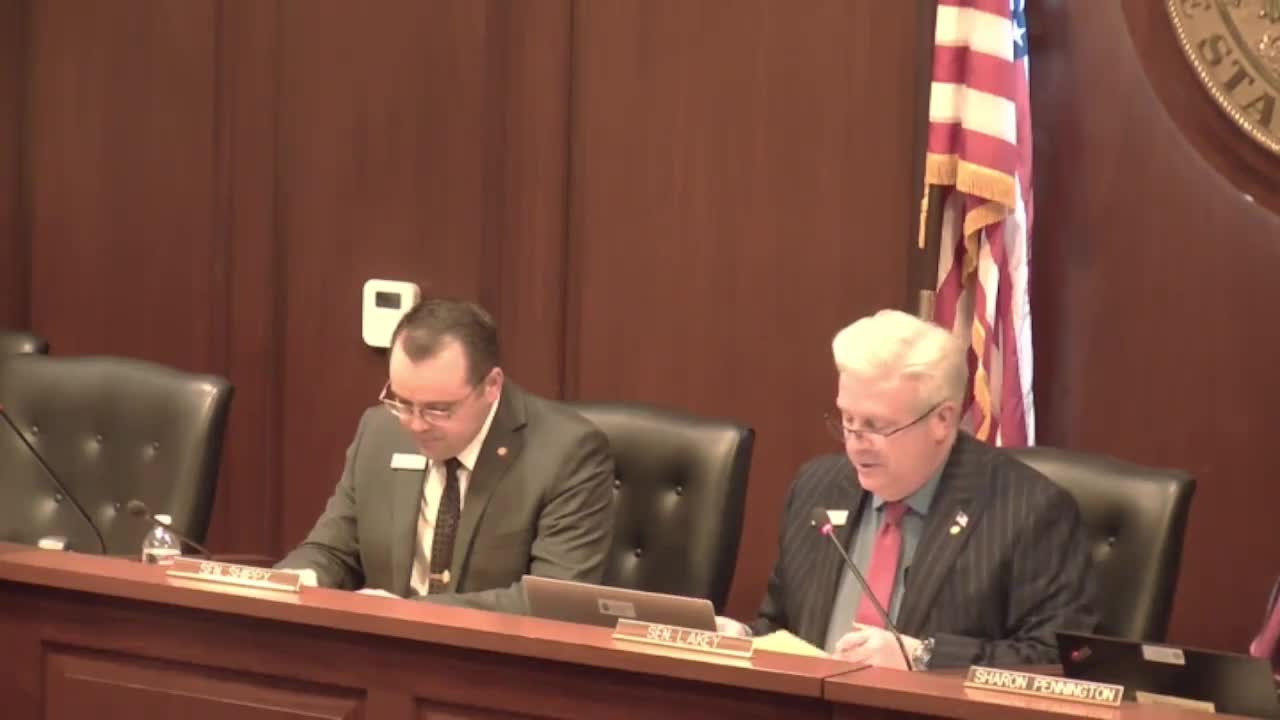
Senate Judiciary & Rules hears Mary Ann King on reappointment as Idaho drug policy director
Summary
Mary Ann King, current director of the Office of Drug Policy, described prevention-focused work, data-driven grant oversight and challenges such as fentanyl and workforce shortages; committee reserved a vote until its next meeting.
Mary Ann King, director of the Idaho Office of Drug Policy, appeared before the Senate Judiciary & Rules Committee on Oct. 12 to discuss her gubernatorial reappointment and the agency’s prevention-focused work.
King told the committee she began her career as a juvenile probation officer and later joined Drug Free Idaho before becoming grants project director at the Office of Drug Policy in 2013 and stepping into the director role in 2020. “By statute, ODP is ident is tasked with identifying, coordinating, implementing, and evaluating drug and substance abuse policies and programs across our state,” King said.
King emphasized primary prevention, drawing a distinction between primary, secondary and tertiary prevention and urging work that pushes interventions “as far upstream as we possibly can.” She described the office’s grant process as requiring applicants to define local problems, demonstrate capacity, pick evidence-based programs and then evaluate outcomes.
King highlighted three successes during her tenure: partnerships with local organizations such as food banks, Head Start, Boys & Girls Clubs and law enforcement; measurable outcomes tied to the office’s grant-evaluation approach; and expanded outreach across the age continuum, including programs targeting 18-to-24-year-olds. “We have introduced statewide initiatives like the sticker shock campaigns, the youth leadership summits, prescription drug take back events, and Eat Together Idaho,” she said.
She also described ongoing challenges: recruiting and retaining prevention providers, rapidly changing drug trends including fentanyl and synthetic pills, and the need for greater parent engagement. King noted that “fentanyl was an absolute game changer,” citing the state’s 2023 overdose deaths and stressing the drug’s lethality and availability.
Committee members thanked King for the presentation and asked questions about the balance between enforcement and education. Senator Mike Foreman said he favors education as a primary emphasis; King replied, “We’re never gonna arrest our way out of here. We’re never gonna treat our way out of here. We have got to stop it upfront and that is through education.”
Chairman Lakey told King the committee typically votes on appointments at the next meeting; no confirmation vote was taken during this session. The committee agreed to take the appointment up at its next scheduled meeting.
The committee did not take further action on program funding or statutory changes during the hearing; King’s remarks were presented for committee consideration ahead of a future vote.