Get Full Government Meeting Transcripts, Videos, & Alerts Forever!
Get email alerts on the Education topic
No spam. Unsubscribe anytime.
Lewiston district tells Senate committee community engagement, PLC work support literacy gains; cites special-education funding gap
Summary
Lewiston Independent School District No. 1 presented its community-driven vision, systemwide Cognia accreditation and K–3 literacy progress to the Senate Education Committee and reported a local special-education funding shortfall.
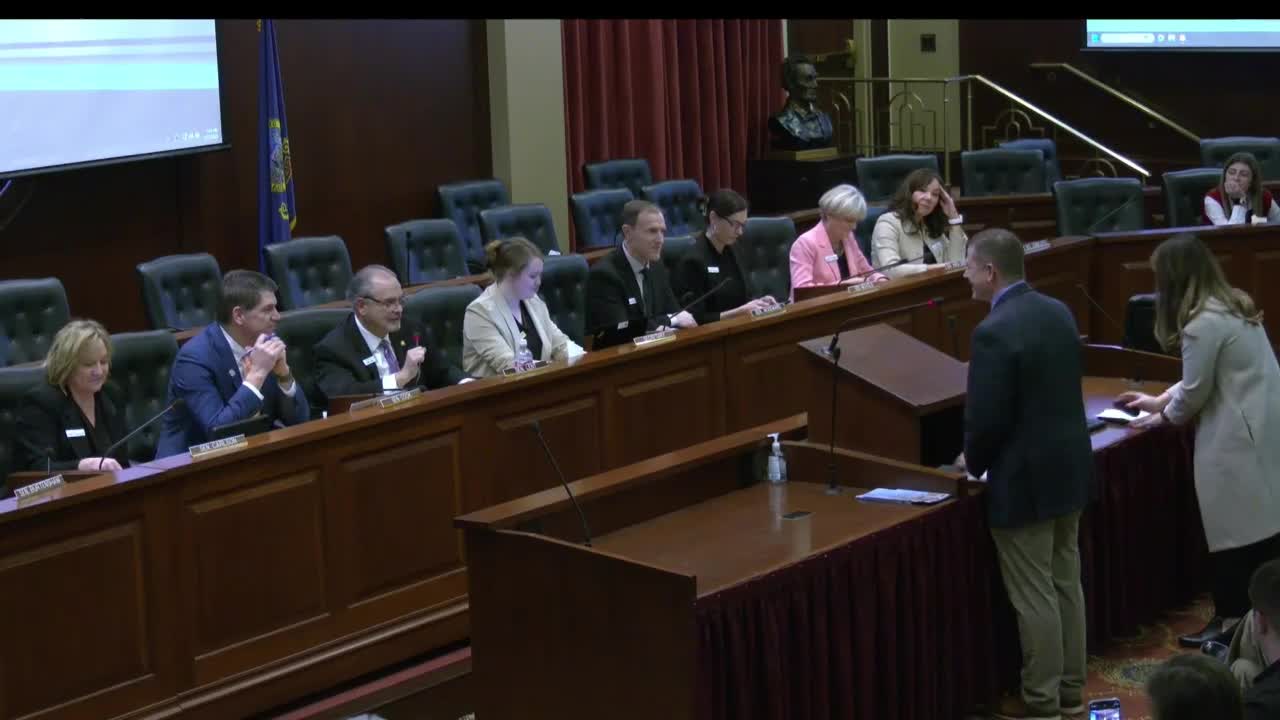
Lewiston Independent School District No. 1 officials told the Senate Education Committee that a multi-year emphasis on community engagement, professional learning communities and structured literacy instruction has contributed to academic gains and stronger parent partnerships.
Lance Hanson, superintendent of Lewiston Independent School District No. 1, said the district serves about 4,500 students ages 3–21 and employs "over 800 dedicated employees, 300 certified and 500 classified." He described a community-driven strategic plan and said the district earned systemwide Cognia accreditation across elementary, middle and high schools.
Charlotte Kramer, vice president of the Lewiston school board, detailed a deliberate process to involve parents, students and community members in work groups that shape district decisions. Kramer said the work groups improved community satisfaction scores and helped the board explain its rationale to the public.
In questions from senators, Hanson said K–3 literacy work is anchored in Enhanced Core Reading Instruction (research associated with the University of Oregon) and that Lewiston participates in a study with Boston University to expand Tier 3 supports. On K–3 reading rates Hanson reported approximately 70.9% of students read at grade level last year, a figure he described as "almost 80%" of students when non-disabled cohorts are considered.
On special education funding, Hanson told the committee the state faces an estimated funding gap of about $80,000,000 for special education statewide and that Lewiston's local gap is about $5,000,000. He said Lewiston's calculation equates to being funded "approximately about $4,000 per student for special education by the state." Committee members pressed for details on funding mechanics; Hanson explained districts are not funded on a per-pupil special-education basis and that his figure derives from unit counts divided by student totals.
Committee members asked about the district's PLC award and Cognia accreditation. Hanson said systemwide accreditation requires a third-party visit, interviews and evaluation against about 30 evidence-based standards and that the process supports strategic planning and community verification of district practices.
The presentation included photographs and survey results showing increased parent satisfaction, and district leaders said they view community partnership as central to meeting the district mission of "ensuring high levels of learning for all students." No formal committee action was taken.