Get Full Government Meeting Transcripts, Videos, & Alerts Forever!
Get email alerts on the Genetic Data Privacy topic
No spam. Unsubscribe anytime.
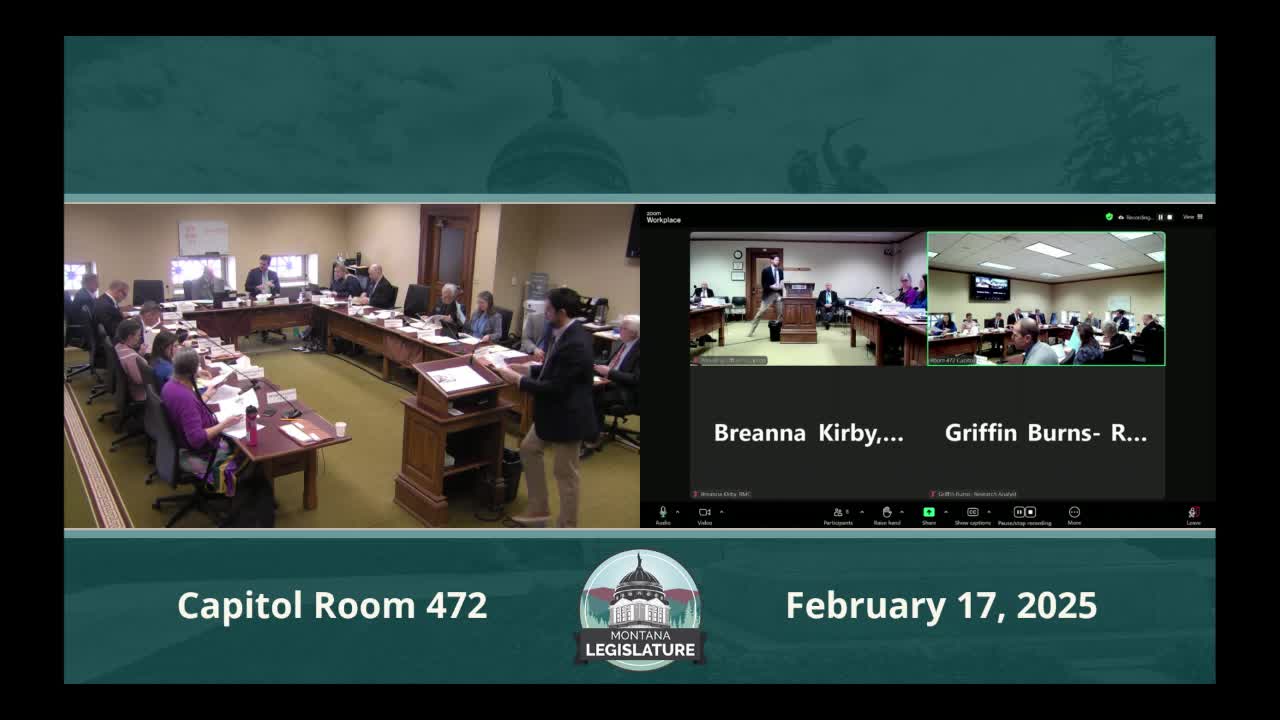
Senate hears privacy bill expanding protections for DNA and emerging 'neurodata'; sponsor seeks refinements
Summary
Senator Daniel Zolnikov introduced Senate Bill 163, which would extend Montanans’ ownership, consent and deletion rights for genetic data and create protections for data derived from neurotechnology.
Senator Daniel Zolnikov introduced Senate Bill 163, saying the measure combines cleanup to last session’s genetic‑data law with new protections and definitions for neurotechnology data. Zolnikov told the committee the bill affirms Montanans’ rights over DNA and related biologic data and adds a waiver process to allow informed participation in clinical research.
The sponsor described several implementation details: consent and deletion rights, a 14‑day waiting period for a waiver obtained after initial sample collection, and a requirement that privacy notices and the waiver be presented separately from other forms. Zolnikov said the bill would permit a resident to waive deletion in order to participate in a clinical trial, and that genetic or neural data collected in the state “may only be transferred or stored outside of the United States with the consent of the resident.” He told the committee the attorney general may initiate civil enforcement actions under the consumer protection authorities cited in the bill.
Proponents included industry and privacy advocates. Don Cape, speaking for a coalition that supports the measure, urged keeping Montanans’ genetic and neural data within the United States and said unauthorized foreign access poses risks. A proponent who characterized a clinical‑research consent process said trial consent typically contains a clear, separate section that explains the data‑use and privacy terms line by line, rather than burying consent in other paperwork.
Committee members pressed practical questions about how the law would work. A witness and the sponsor described implementation features intended to reduce accidental consent: the bill requires the waiver for research use to be obtained no sooner than 14 days after the biological sample collection and to be separate from other consent forms, and a written notice must be in at least 12‑point font. Senator Zolnikov said he would propose additional amendments to refine the definition of “neurodata” (or “neurotechnology data”) and to clarify the scope of permitted exception language for pooled external datasets.
Representative concerns included enforcement and private causes of action. Representative Griffith asked whether the bill allows a private right of action; Zolnikov told the committee the state attorney general has authority to enforce the consumer‑protection provisions and that other bills in process could adjust the AG’s authority. The sponsor noted that some states’ private‑right‑of‑action approaches have created large volumes of litigation.
Witnesses cited prior examples of data exposure and cross‑border risk (testimony referenced the October 2023 cyber incident involving a consumer genetic service). The sponsor said the bill would allow civil suits when the statute is violated and emphasized the intent to strengthen Montanans’ control over sensitive biological and neural data.
Committee members did not take final action; the sponsor asked for time to circulate further amendments clarifying neurotechnology definitions and waiver language before the committee votes.