Get Full Government Meeting Transcripts, Videos, & Alerts Forever!
Get email alerts on the Education Early Intervention topic
No spam. Unsubscribe anytime.
Bill would create advisory committee to study early intervention and early childhood special education funding
Summary
House Bill 2,682 would direct the Oregon Department of Education to convene an advisory committee to study and recommend updates to adequate service levels and funding for early intervention and early childhood special education; the committee would report by Sept. 15, 2026.
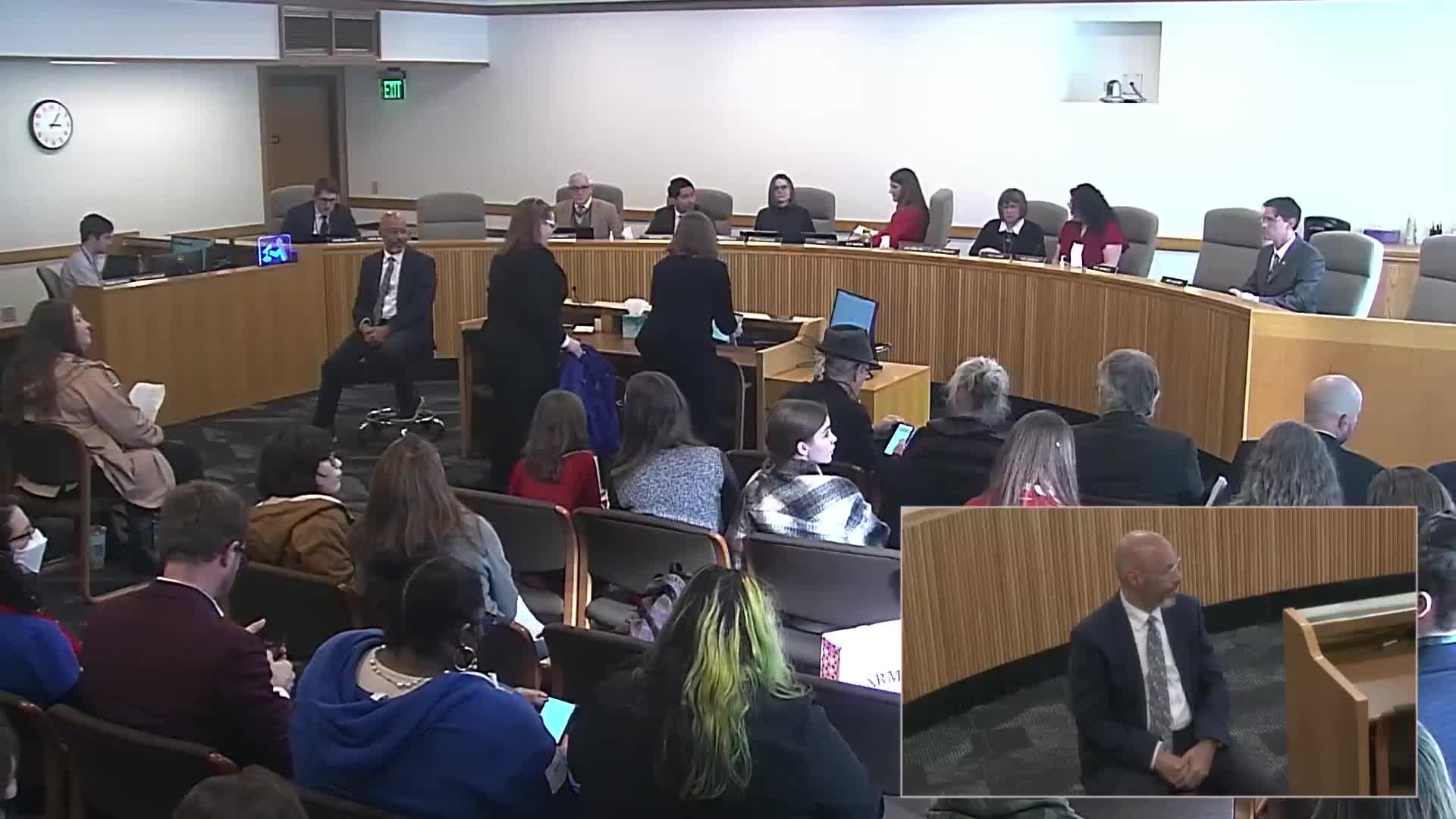
House Bill 2,682, which the committee opened for public hearing Feb. 17, directs the Oregon Department of Education to establish an advisory committee to study and develop recommendations to update adequate service levels and the funding model for Early Intervention and Early Childhood Special Education (EIECSC).
Dana Hepper, director of policy and advocacy at the Children’s Institute, said EIECSC is Oregon’s birth-to‑5 special-education program under the federal Individuals with Disabilities Education Act and serves more than 14,000 children through nine regional programs. Hepper told the committee that Oregon has not updated the EIECSC current service level or the adequate service level since 2011; the existing guidance recommends 12 to 15 hours of preschool weekly for children most impacted by disability, while publicly funded preschool programs commonly provide 30 hours weekly.
Tanya Coker, executive director of early learning for Willamette Education Service District, described a district-level budget example: her program’s funding fell by about $4 million between the 2021–23 and 2023–25 biennia even as their caseload rose from roughly 2,500 to more than 3,000 children. Coker noted research showing long-term returns on early-childhood investment and contrasted that with current funding shortfalls.
The staff summary presented to the committee said the bill would require the advisory committee to consider research and family experience and report recommendations to the Legislative Assembly by Sept. 15, 2026. The committee received testimony in support of the measure and closed the public hearing before moving to subsequent bills.
No vote was taken at the Feb. 17 hearing; the bill would proceed through standard committee consideration following testimony.