Get Full Government Meeting Transcripts, Videos, & Alerts Forever!
Get email alerts on the Cannabis Technical Reform topic
No spam. Unsubscribe anytime.
Committee hears SB 556 to modernize tracking, permitting and interstate readiness for cannabis and hemp
Summary
Senate Bill 556 would allow motion detection cameras and digital manifests, harmonize hemp and cannabis definitions, prohibit physical plant tags, and create a springing interstate commerce provision pending federal authorization; industry groups largely supported the bill while hemp producers voiced opposition to OLCC having hemp authority.
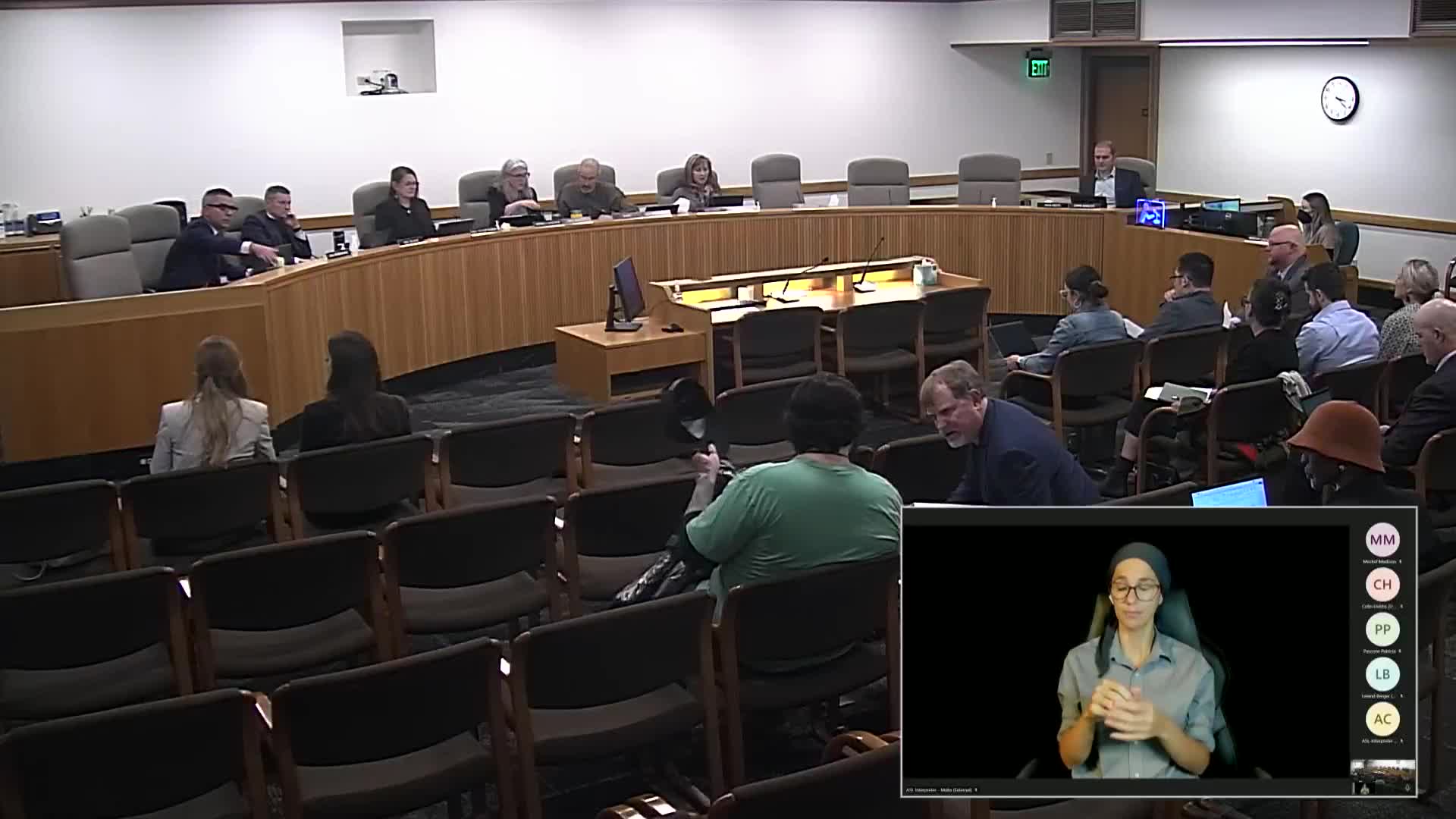
The Senate Committee on Judiciary heard testimony Feb. 17 on Senate Bill 556, a cannabis omnibus focused on modernizing security and tracking, enabling business efficiencies, and harmonizing Oregon’s hemp and cannabis regulatory frameworks.
Committee staff summarized SB 556’s principal provisions as permitting motion‑detection cameras instead of 24/7 continuous recording for OLCC licensees; requiring inventory reconciliation at least every seven days; allowing OLCC licensees an industrial‑hemp endorsement to co‑locate hemp and marijuana production; prohibiting OLCC from requiring physical plant tags; requiring OLCC’s tracking system to support third‑party integrations; authorizing digital transport manifests and edits; limiting OLCC transport weight or lead‑time restrictions; restraining state agencies from disparate treatment of cannabis businesses on the basis of federal prohibition while carving an exemption for federal‑law conflicts; and adding a conditional interstate‑commerce provision that would take effect if federal law permits.
Industry trade groups and several multistate businesses testified in support. Jesse Bontecou, executive director of the Cannabis Industry Alliance of Oregon, told the committee that the bill is the product of a multi‑month industry policy effort and that the stated reforms “are not about creating new privileges, but removing barriers to existing ones” and would allow businesses to adopt better technology and reduce waste without diminishing regulatory oversight. He said the association planned amendment language to refine several sections.
Representatives from vertically integrated and large-scale processors said the measure would cut compliance costs and support Oregon brands’ competitiveness. Gabe Barton Lee, general counsel for Wild (a cannabis edible processor), said updating camera and manifest requirements and harmonizing hemp rules could reduce internal costs “by 40%,” enabling firms to scale and compete in larger markets.
Hemp producers and hemp‑industry advocates urged caution. Courtney Moran, representing Agricultural Hemp Solutions and the Association of Western Hemp Professionals, opposed provisions that would give the OLCC authority over hemp licensing or let OLCC define industrial hemp. Moran said Oregon’s industrial hemp program has been run under the Oregon Department of Agriculture and federal law and warned that transferring authority or allowing OLCC to define hemp could jeopardize the state’s USDA‑approved hemp plan and the viability of existing hemp businesses.
Sponsor and industry witnesses said amendments were forthcoming to address several technical and cross‑agency concerns, and the chair said the measure would go to a workgroup for further negotiation with stakeholders, OLCC and committee members.
The hearing did not include a committee vote on SB 556.