Get Full Government Meeting Transcripts, Videos, & Alerts Forever!
Get email alerts on the Biosolids Project topic
No spam. Unsubscribe anytime.
Kalamazoo selects biosolids treatment strategy; city highlights survey and water‑assistance outreach
Summary
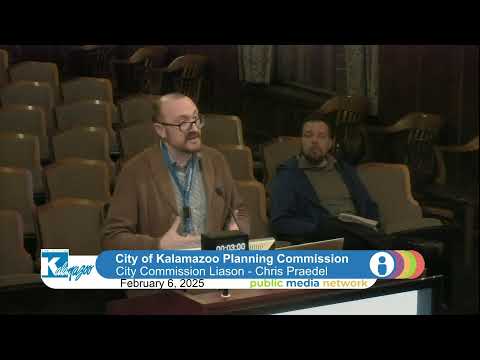
City Commissioner Bridal told the planning commission the city moved to design a large biosolids treatment project estimated at $130–$150 million and highlighted a community survey deadline and approved advertising for water‑assistance outreach.
City Commissioner Bridal told the Kalamazoo Planning Commission that the city has selected a preferred biosolids treatment strategy and approved design work for a multi‑year project that officials estimate will cost between $130 million and $150 million and likely finish around 2030–2031.
Bridal’s remarks matter because the project targets the city’s wastewater sludge stream, could reduce annual sludge hauling costs and carry a substantial capital price tag that will be considered through the city’s budgeting and procurement processes.
Bridal summarized the procurement process and results: the city issued a request for information/proposals and received about 30 submissions from 27 entities. A review group narrowed the options to three strategies and chose a top option for design and engineering, Bridal said.
Bridal described current costs for sludge removal and the expected savings the new system could produce. “When I first came on city commission just under 6 years ago, we were paying between 3 to $4,000,000 per year for sludge to be removed per year. Right now, we're paying, just south of $15,000,000 per year,” Bridal said. She said the chosen technology should dramatically reduce the weight of material hauled offsite, lower trucking impacts and offer measures to remove PFAS and reduce odors.
Bridal said the project will not be finished for several years and that the city expects to amortize the capital cost over roughly a decade. She noted the technology is in use in other communities and is not an experimental system.
Bridal also used the commission meeting to flag two near‑term city items: the city’s national community survey (the “city report card”), which is available via the city website, and a recent city commission approval of just under $50,000 for advertising to promote water‑assistance and affordability options for residents.
Commissioners and staff thanked Bridal for the update; no formal vote on the biosolids design contract or construction was recorded during the planning commission meeting.