Get Full Government Meeting Transcripts, Videos, & Alerts Forever!
Get email alerts on the Summit Carbon Pipeline topic
No spam. Unsubscribe anytime.
Residents urge Brookings County planning panel to consider CO2 pipeline risks
Summary
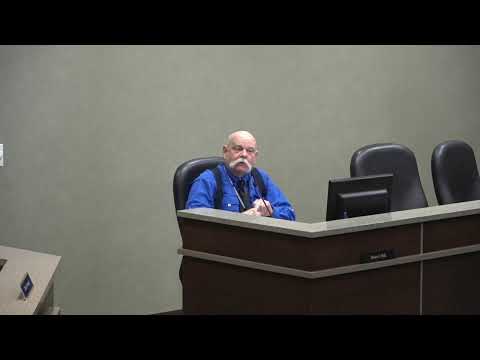
Three residents told the Brookings County Planning and Zoning Commission on Jan. 7 that they are concerned about the proposed Summit Carbon CO2 pipeline’s proximity to homes, recreation areas and water resources and urged local officials to consider setbacks or ordinances before new residential development is approved.
On Jan. 7, 2025, three residents told the Brookings County Planning and Zoning Commission that they oppose a proposed high-pressure carbon dioxide pipeline route and urged county officials to consider safety setbacks and ordinance changes before approving nearby development.
The comments matter because the Summit Carbon Solutions pipeline route submitted last fall lies near populated lakeshore areas and new subdivisions, residents said, and local zoning and county-commission action could affect future siting and protections.
Janai White, who identified herself as a resident of Aurora, told the commission, “I don't want this pipeline in our backyard; I'm gonna speak probably for a lot of our people — they're not real happy about this.” She asked which body sets ordinances and setbacks for the CO2 pipeline and was told the process includes input from a county subcommittee, the Planning and Zoning Commission and then the County Commission as a recommending body.
Carla Dieter, a Lake Campbell resident who said her home would be within about one mile of a proposed route, said she is “deeply concerned also about the proximity again to a populated area” and read excerpts from a paper she brought. Dieter said the pipeline’s proximity matters because Lake Campbell is used year-round and for recreation including camping and fishing.
Jane Piper, a longtime resident, urged the panel to require more public information about subsurface sequestration and pipeline engineering. She asked, “Will the CO2 contaminate freshwater aquifers? Will the carbon find its way into saline aquifers forcing the brine closer to the surface?” and said she could not find the risk studies on the project or PUC sites during her review.
Richard (county staff) and Luke (county planning staff) explained process details to speakers. Richard said documents submitted to the Public Utilities Commission are filed for public review in the county office, and Luke said the County Commission is “more likely” to assign a subcommittee to start looking at ordinance changes; any changes would go to a public hearing before the Planning and Zoning Commission and then to the County Commission as a recommendation to change the zoning ordinance.
Staff also told residents the Public Utilities Commission will hold hearings in several locations and that Brookings County citizens are encouraged to attend PUC meetings if they wish to comment on the pipeline application.
Next steps: Commissioners and staff told speakers the county commission is expected to discuss the issue at a Jan. 21 meeting and may appoint a subcommittee to consider ordinance changes; the Planning and Zoning Commission would be invited to participate in that process.