Get Full Government Meeting Transcripts, Videos, & Alerts Forever!
Columbia council advances zoning changes that limit short‑term rentals to mixed‑use districts
Summary
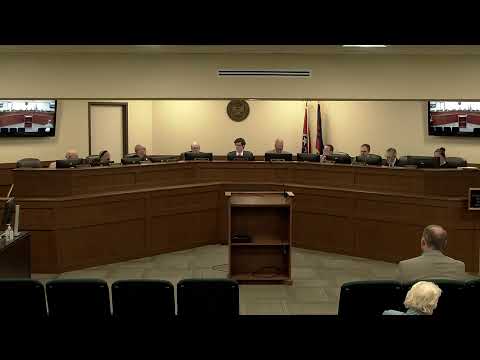
Columbia — After public comment from more than a dozen residents and property owners on both sides of the issue, the City Council gave first consideration Thursday to Ordinance 4,541, which would amend the city zoning code to restrict non‑owner‑occupied short‑term rentals to the four mixed‑use character districts (CD‑4, CD‑4C, CD‑5 and CD‑5C).
Columbia — After public comment from more than a dozen residents and property owners on both sides of the issue, the City Council gave first consideration Thursday to Ordinance 4,541, which would amend the city zoning code to restrict non‑owner‑occupied short‑term rentals to the four mixed‑use character districts (CD‑4, CD‑4C, CD‑5 and CD‑5C).
Supporters of tighter limits — including long‑time residents and neighborhood homeowners — told the council they worry about noise, property values and public safety when single‑family houses operate as transient rentals. Opponents and several short‑term‑rental owners said the rentals spur investment, bring visitors to local businesses and generate lodging tax revenue the city collects.
The planning commission’s recommendation, adopted at a meeting the night before, would allow short‑term rentals without an owner‑occupancy requirement in the four mixed‑use districts and would not permit them in the city’s CD‑2, CD‑3 or CD‑3L residential character districts. The council voted, on first consideration, to accept that recommendation.
Why it matters: The ordinance would change where and how short‑term rentals may operate inside Columbia city limits, potentially reducing the number of houses available for short‑term rental in established residential neighborhoods. That change is intended to preserve neighborhood character and limit the “revolving door” of transient guests that many residents said has produced repeated calls for police service.
What speakers said Bruce Paden, a local zoning attorney, told the council that short‑term rentals have produced tax revenues for the city and urged that any grandfathering language avoid punishing owners who had acted lawfully prior to the new rules. He identified two clients whose properties produced more than $20,000 and $30,000 in city lodging taxes, respectively.
Several residents (Bobbi…
Already have an account? Log in
Subscribe to keep reading
Unlock the rest of this article — and every article on Citizen Portal.
- Unlimited articles
- AI-powered breakdowns of topics, speakers, decisions, and budgets
- Instant alerts when your location has a new meeting
- Follow topics and more locations
- 1,000 AI Insights / month, plus AI Chat