Get Full Government Meeting Transcripts, Videos, & Alerts Forever!
Get email alerts on the Solid Waste Collection topic
No spam. Unsubscribe anytime.
Resident warns proposed trash-can requirement could burden low-income and disabled households
Summary
A resident told the City of Live Oak council that a proposed requirement for city-provided trash cans could create financial and access problems for multi-family and disabled residents and urged the city to increase pickup frequency and delay implementation.
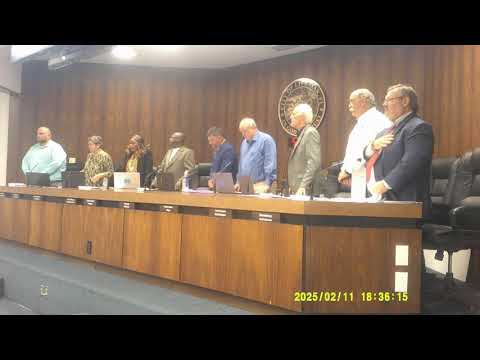
Shanice Brown, a resident who spoke during public comment at the City of Live Oak—s Feb. 11 council meeting, urged the council to reconsider or adjust a proposed trash-can requirement, saying the proposal could create financial and accessibility burdens.
Brown said many Live Oak households are multi-family and that providing a single trash can would be inadequate. She told the council that some households already use two 96-gallon cans and said, “If you're only providing 1 trash can, you're gonna see challenges.”
Brown raised several operational concerns: inadequate weekly collection under a single-can plan, animal and wildlife scavenging in rural areas, limited transportation for residents who would need to take trash to centralized dumpsters, and accessibility for disabled residents. She said dumpsters are not a practical alternative for some residents because of inconvenient business hours and transportation limitations.
To address the issues, Brown recommended increasing pickup frequency to at least twice a week, offering additional cans at reduced cost or using city funds to offset costs, and delaying implementation to give residents time to prepare financially. She also requested transparent budget information if the changes were prompted by county insurance or other funding pressures.
The transcript records Brown—s recommendations and concerns during public comment; there was no council vote or formal staff response recorded on the item in the meeting transcript.