Get Full Government Meeting Transcripts, Videos, & Alerts Forever!
Get email alerts on the Children And Youth Multisystem Care topic
No spam. Unsubscribe anytime.
Legislative panel hears support to extend children-and-youth multisystem care program through 2027
Summary
Lawmakers heard staff and public testimony urging extension of the governor—s children-and-youth multisystem care position and rapid care team; supporters said flexible funds and cross-agency coordination have discharged children from hospitals and can save state dollars. A fiscal note estimates multimillion-dollar costs for the 2025-27 biennium.
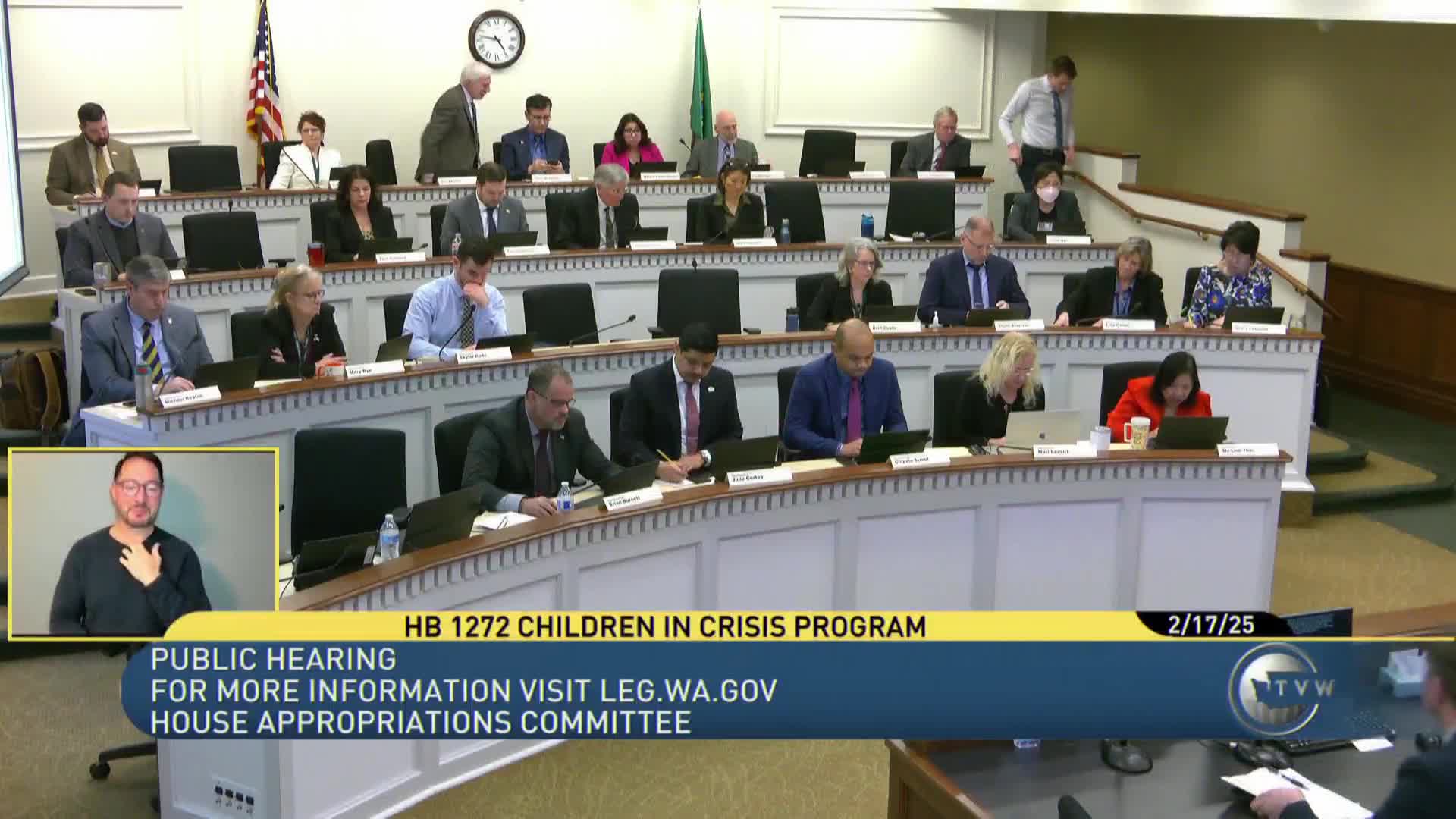
The House committee heard a staff briefing and public testimony Tuesday on House Bill 12-72, a measure to extend the governor—s children-and-youth multisystem care position and related rapid care team through June 30, 2027.
Supporters told the committee the program helps children in crisis who remain in hospitals when inpatient care is no longer medically necessary, and that flexible funding and cross-agency coordination have helped discharge children home with supports.
Luke Wickham, counsel to the Early Learning and Human Services Committee, told members the bill renames the governor—s staff role from the Children and Youth Multisystem Care Coordinator to Children and Youth Multisystem Care Project Director and extends the position and related programs for two additional years. Wickham said the coordinator directs use of state resources, leads multi-agency rapid care teams and has access to flexible funds to support safe discharge and placement for children who are dependent or otherwise at risk of prolonged hospital stays.
Sydney Jeffrey, committee staff, summarized the fiscal note in the committee packet. The note lists an estimated total fiscal impact of about $6.5 million for the 2025-27 biennium; the governor—s office projects roughly $6.1 million in general fund costs. The estimate includes salaries for three full-time positions, interagency contracts and about $3.4 million in flexible funds to support children and families. The Health Care Authority estimated a $450,000 impact for its role, and an average federal Medicaid match (FMAP) of about 58 percent was noted in staff materials.
Several witnesses during public testimony said the program has already reduced hospital boarding and saved money. Taku Minechita, identified as the Children and Youth Multisystem of Care director in the governor—s office, said over the past year the program served more than 60 children and that roughly half discharged to home or community settings with in-home supports. Minechita said a hospitalization can cost up to about $3,300 per day and that flexible funding to support in-home staffing can run up to about $550 per day, and argued that avoiding even a small number of long hospital stays can yield substantial savings.
Representatives of Seattle Children—s and parent advocates described cases in which children remained in hospitals or emergency departments for weeks or months because community services and placements were unavailable, and they urged lawmakers to continue the program and the flexible funding that helps arrange safe discharges.
The committee did not take final action on the bill during the hearing; testimony and staff briefings concluded and the committee proceeded to other agenda items.